
Tokyo Summer Festivals 2026: 10 Unique Events From Flower Fields to Lantern-Lit Shrines
Summer in Tokyo is more than just heat and humidity, it's a vibrant tapestry of tradition, color, and community spirit. From sacred rituals passed down for centuries to lively night markets and dazzling fireworks by the sea, the season is packed with unforgettable experiences.
Whether you're drawn to the spiritual energy of lantern-lit shrines, the thrill of children’s sumo tournaments, or the nostalgic charm of festival stalls and folk dances, Tokyo and its surrounding areas offer a calendar full of meaningful events that bring history to life and neighbors together.
Katsushika Iris Festival 2026: A Seasonal Celebration of Color in Tokyo’s Gardens
Celebrate Early Summer with Irises in Full Bloom
🗓 Schedule
May 25 (Mon) – June 14 (Sun), 2026
Open daily during the blooming period. Events and bus services mostly on weekends.
✨ Event Highlights
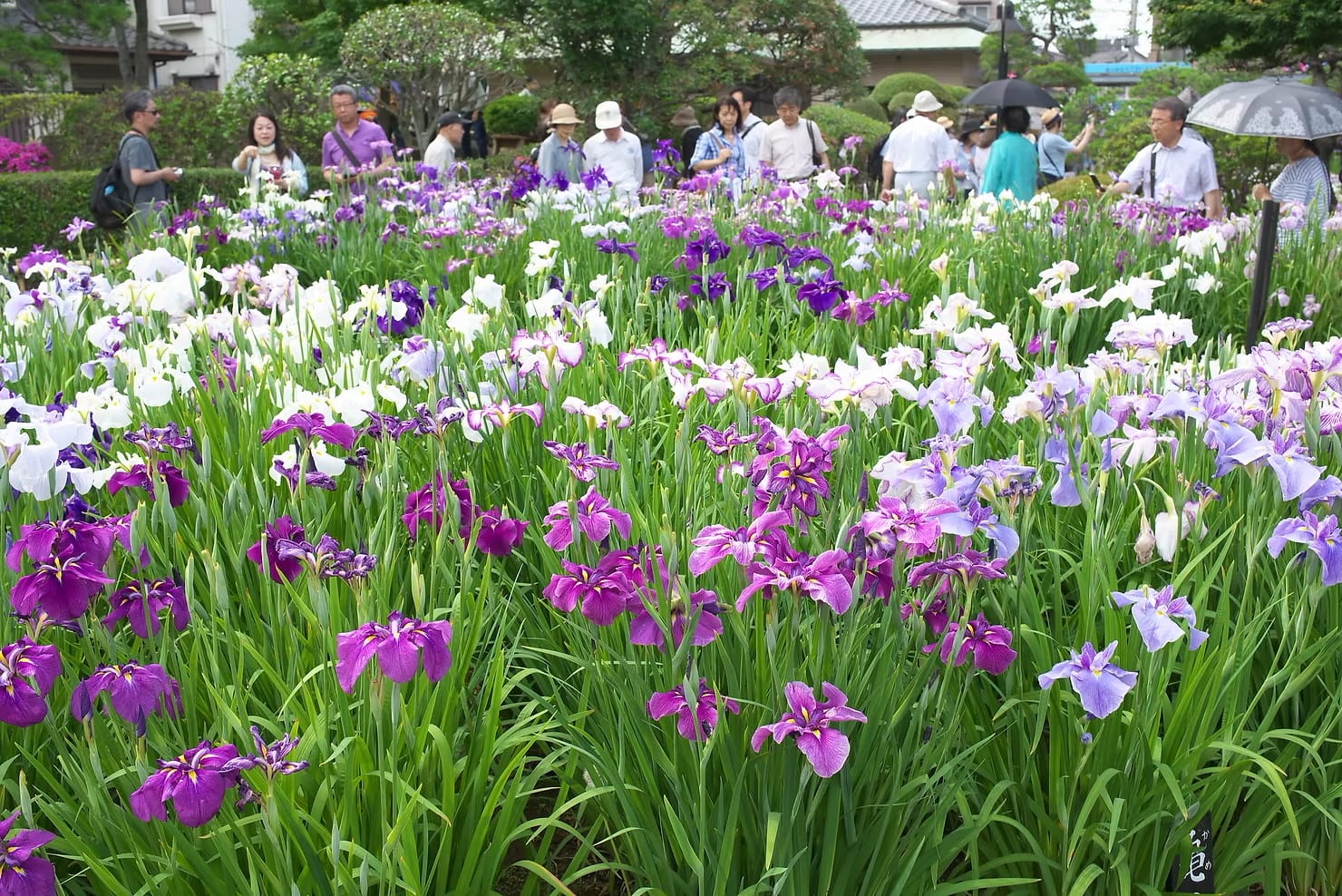
The Katsushika Iris Festival is one of Tokyo’s most iconic early summer floral events, drawing visitors to admire over 6,000 irises blooming across two scenic venues. It blends seasonal beauty with cultural charm and local community spirit.
Horikiri Iris Garden
A picturesque riverside garden showcasing over 200 iris varieties. Enjoy walking trails surrounded by purple, white, and blue blossoms, try local food and watch occasional performances.
Mizumoto Park
A vast, family-friendly park with a large central pond filled with blooming irises, perfect for picnics, nature walks, and relaxing under the trees. Look out for seasonal events, activity booths, and handcraft stalls during festival weekends.
📍Location & Access
Horikiri Iris Garden (Horikiri Waterfront Park)
- 2-19-1 Horikiri, Katsushika City, Tokyo
- 10-minute walk from Horikiri-Shobuen Station (Keisei Line)
Tokyo Metropolitan Mizumoto Park
- 3-2 Mizumotokoen, Katsushika City, Tokyo
- 20-minute walk or short bus ride from Kanamachi Station (JR Joban Line)
🚌 Iris Tour Bus (Weekends Only)
- A special loop bus runs between Horikiri Iris Garden, Mizumoto Park, Shibamata Taishakuten, Kanamachi Station, and Kameari Station on weekends.
- Hop on and off to visit both venues and nearby attractions like Shibamata Taishakuten Temple.
- Ideal for visitors who want to experience more of Katsushika in one relaxing day.
- Timetables and route maps available in the official event leaflet.
💴 Admission
Free (some activities or booths may have separate fees)
🔗 Official Info & Links
Katsushika City Official Festival Website (Available in English)
🌸 Iris Blooming Updates
The bloom status changes throughout the festival., so for real-time flower updates and best viewing times, check the city’s tourism and event pages.
Download the 2026 Event Leaflet
Includes event schedule, tour bus map, and venue details.
Fuchu Hydrangea Festival 2026: A Celebration of Summer Beauty and Tradition
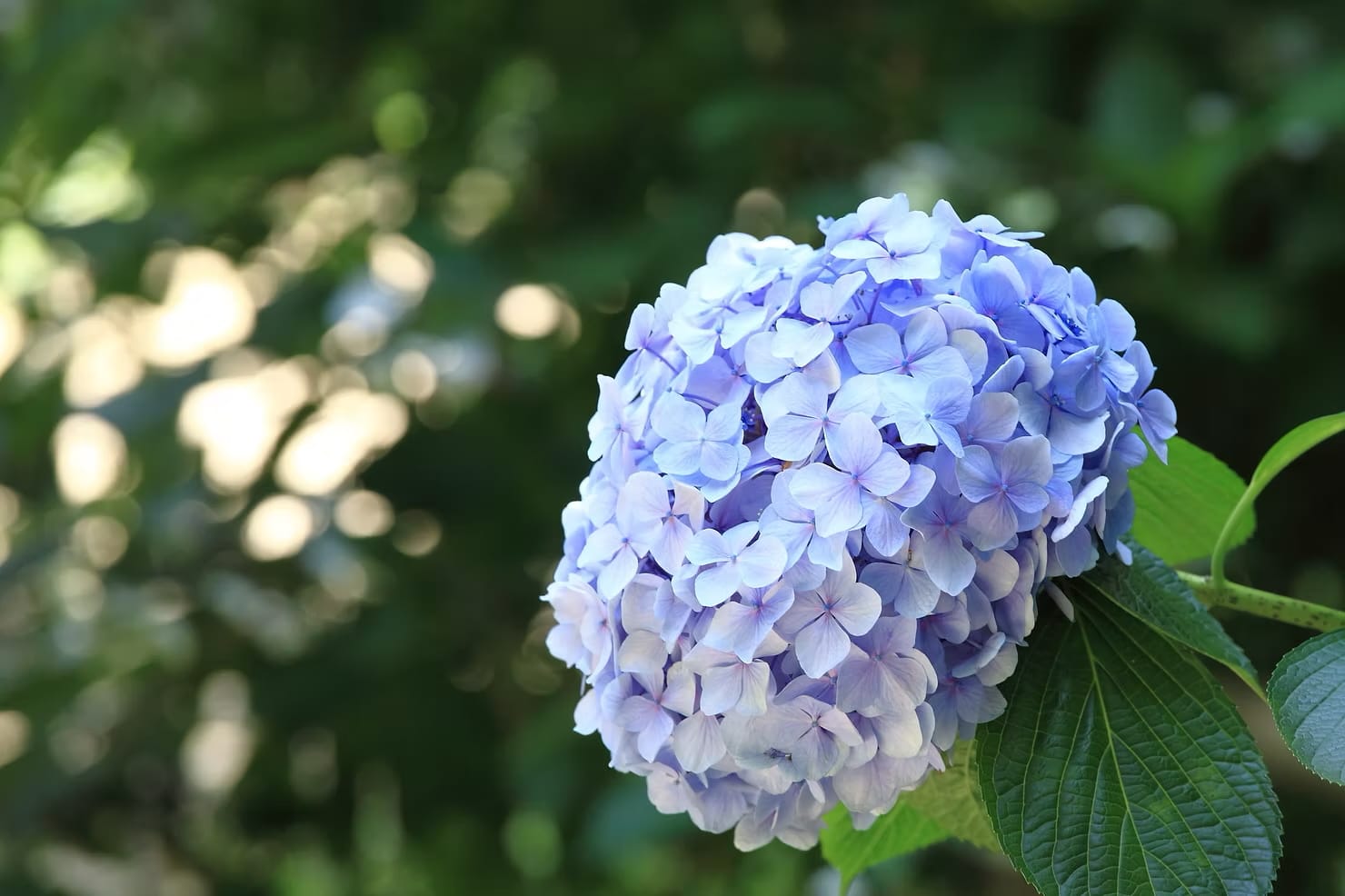
Celebrate Summer with 10,000 Hydrangeas and Traditional Culture
🗓 Schedule
May 30 (Sat) – July 5 (Sun), 2026
Open daily during the blooming season. Special events and workshops mostly on weekends.
✨ Event Highlights
The Fuchu Hydrangea Festival is a serene early summer event held at the Kyodo-no-Mori Museum and gardens. With colorful hydrangeas in full bloom and a lineup of family-friendly cultural activities, it offers a peaceful escape into nature and tradition.
Stroll through the gardens lined with vibrant hydrangeas, explore local artisan crafts, and enjoy matcha with seasonal sweets in a traditional teahouse. Creative workshops, taiko drumming, and even a haiku contest bring a community feel to this charming festival.
Main Highlights
📷 Hydrangea Photo Contest – Enter your best shots online starting May 30
🍵 Matcha & Ume Yokan Tea Service – May 30 & 31 & weekends in June at Ume-Keyoan (¥700)
🥁 Taiko Drum Performances – June 7 at 11:00 & 14:00 (rain date: June 14)
🍭 Nostalgic Candy Art – Artisan demos on festival weekends
🌸 Hydrangea Display & Exhibition – Featuring rare varieties from Fuchu, Hiroshima
From hands-on experiences to peaceful garden views, this local gem is perfect for families, photographers, and cultural explorers alike.
📍Location & Access
Fuchu Kyodo-no-Mori Museum and Garden
- 10-minute bus ride from Fuchu Station (JR Nambu Line)
- 20-minute walk or short taxi ride from Bubaigawara Station (JR Nambu Line / Keio Line)
💴 Admission
Admission varies by activity. Entry to the museum grounds is required.
Workshops and tea service have separate fees (¥300–¥700 depending on the event).
🔗 Official Info & Links
Official Event Page (Japanese)
Download the 2026 Festival Brochure (PDF)
Bunkyo Hydrangea Festival 2026: Blooming Beauty at Hakusan Shrine
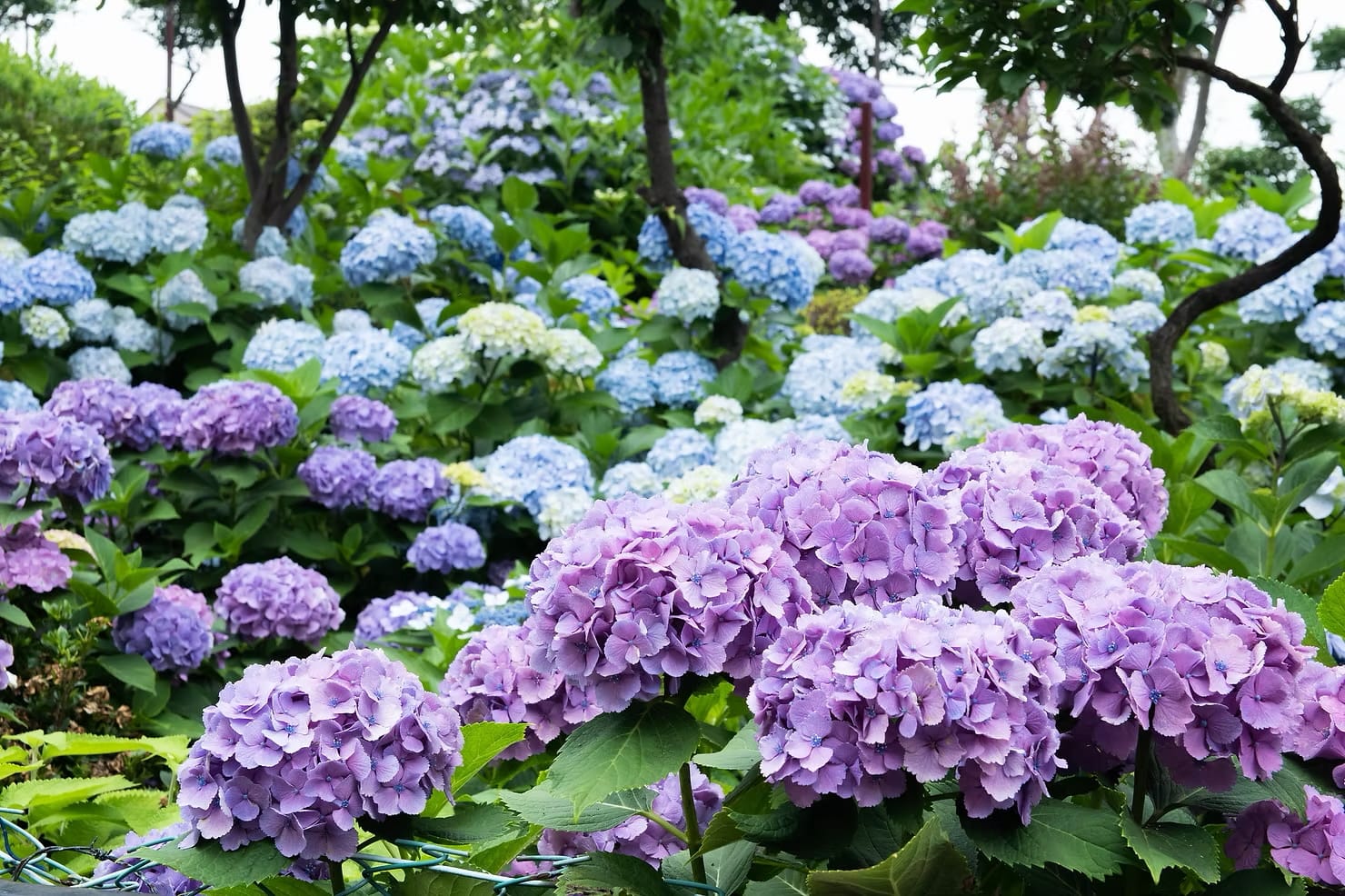
Celebrate Summer with 10,000 Hydrangeas and Traditional Culture
🗓 Schedule
June 6 (Sat) – June 14 (Sun), 2026
Daily events and blooming displays throughout the festival. Weekend programs include performances, stalls, and cultural activities.
✨ Event Highlights
The Bunkyo Hydrangea Festival is one of the Five Great Flower Festivals of Bunkyo and a beloved annual event that brightens Tokyo’s rainy season. With around 3,000 hydrangeas blooming across Hakusan Shrine and Park, the festival blends floral beauty with community celebrations and traditional charm.
Stroll through vibrant blue, pink, and purple hydrangeas around Hakusan Shrine, where peaceful paths and atmospheric photo spots await. Enjoy local treats, potted blooms, and cultural experiences like children’s art sessions, craft booths, and regional showcases.
The festival comes alive with music, dance, and a hydrangea-themed mikoshi parade, while community activities include guided tours, stamp rallies, and wellness events like toothbrush blessings.


Main Highlights
- Every Sunday during the festival (from 11:00): Free toothbrushes for the first 100 people
- June 6–7: Hydrangea concert
- June 13–14: Hydrangea concert
- June 14 (from 10:00): Hydrangea mikoshi procession
- Daily: Hydrangea Displays at Hakusan Shrine
📍Location & Access
Hakusan Shrine & Hakusan Park
5-31-26 Hakusan, Bunkyo City, Tokyo
- 3-minute walk from Hakusan Station (Toei Mita Line)
- 5-minute walk from Hon-Komagome Station (Tokyo Metro Namboku Line)
- 3-minute walk from Hakusan-Ue Bus Stop (Toei Bus 草63)
- Bunkyo Community Bus stops: “12 Hakusan Station” and “32 Hakusan 5-chome”
- Note: No on-site parking available. Please use public transit. Limited bicycle parking.
💴 Admission
Free (fees may apply for specific workshops or food)
🔗 Official Info & Links
Bunkyo City Festival Page (Available in English)
Download the 2026 Festival Brochure (PDF)
Live Updates & Bloom Info
Sanno Festival 2026: A Grand Edo-Era Celebration in Central Tokyo
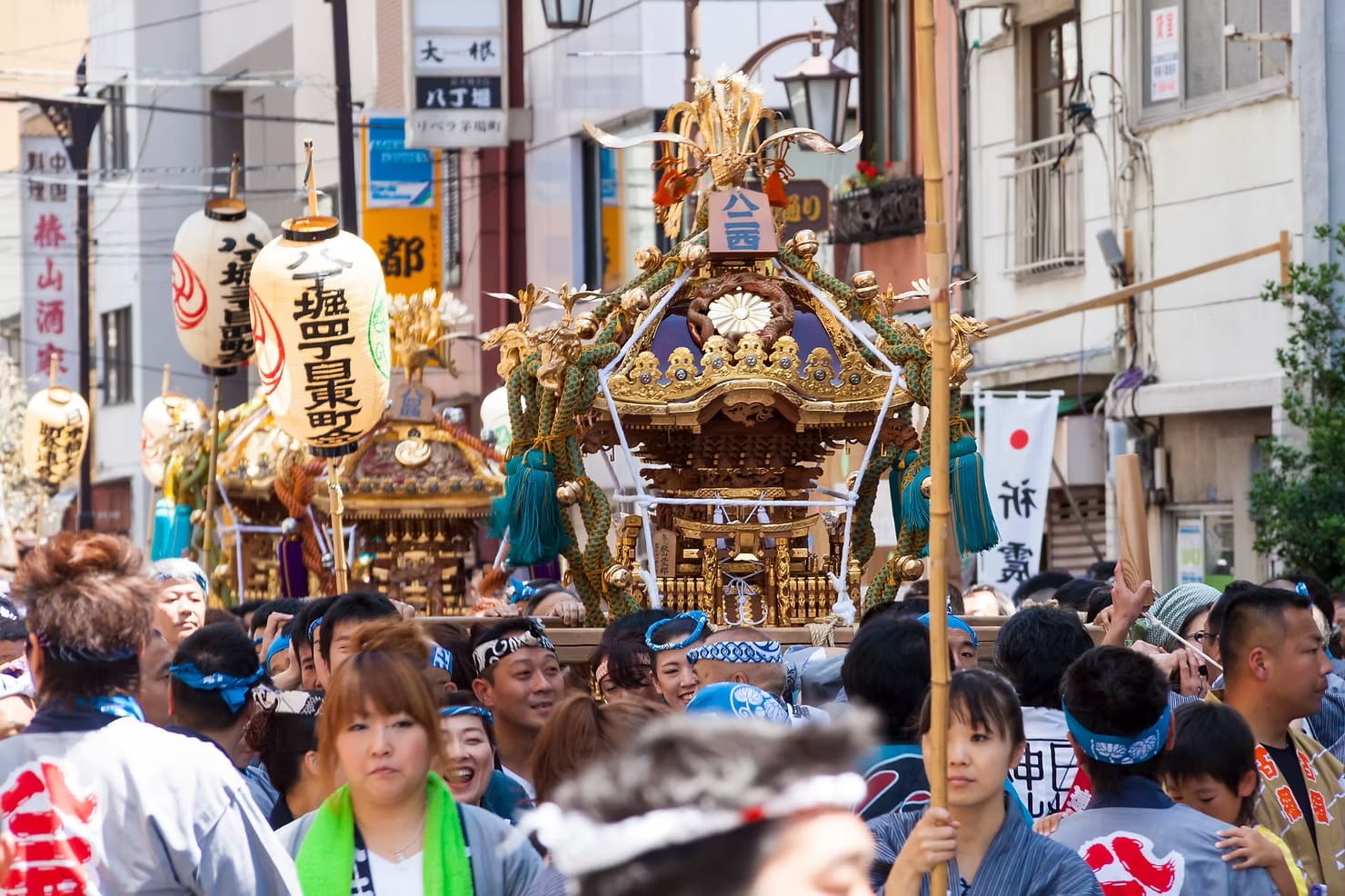
One of Japan’s Three Great Festivals in the Heart of Tokyo
🗓 Schedule
June 7 (Sun) – June 17 (Wed), 2026
Daily rituals and exhibitions at Hie Shrine, with special events, performances, and a bon-odori dance festival on select dates.
✨ Event Highlights
The Sanno Festival is one of Japan’s Three Great Festivals, held every June at Tokyo’s Hie Shrine. Dating back over 400 years, it blends Edo-era elegance with vibrant modern energy, celebrating tradition, community, and the arrival of early summer.
Explore atmospheric shrine grounds lit by hand-drawn lanterns, enjoy traditional dances like sato kagura, and browse limited-edition festival goods. Highlights include sweet tastings, cultural performances, and a lively bon-odori dance under glowing lanterns.
Main Highlights
- Children’s Procession (Chigo Gyoretsu): Young participants dressed in traditional attire receive purification rites for health and growth (advance registration required).
- E-Toro Lantern Offerings: Children’s hand-drawn artworks are displayed as lanterns throughout the shrine grounds during the festival (limited availability).
- Kasho Sweets Service (June 16): A unique opportunity to taste sweets connected to ancient Japanese traditions.
🏮 Summer Bon-Odori Dance Festival
Dates: June 13 (Sat) – June 15 (Mon), 2026
Location: Open plaza in front of Sanno Park Tower, near Tameike-Sanno Station
Locals of all ages in yukata gather to dance to the rhythm of taiko drums. The lively, open-air venue is decorated with festive lanterns, creating a magical summer atmosphere. Food trucks will also be on site, offering a variety of seasonal treats.
📍Location & Access
Hie Shrine & surrounding areas
2-10-5 Nagatacho, Chiyoda-ku, Tokyo
- Direct underground access via Tameike-Sanno Station (Ginza / Namboku Lines)
- 5-minute walk from Akasaka or Kokkai-gijidomae Station
💴 Admission
Free (some events may require registration or fees)
🔗 Official Info & Links
Sanno Festival Official Website (Japanese)
Gujo Odori Festival in Aoyama 2026
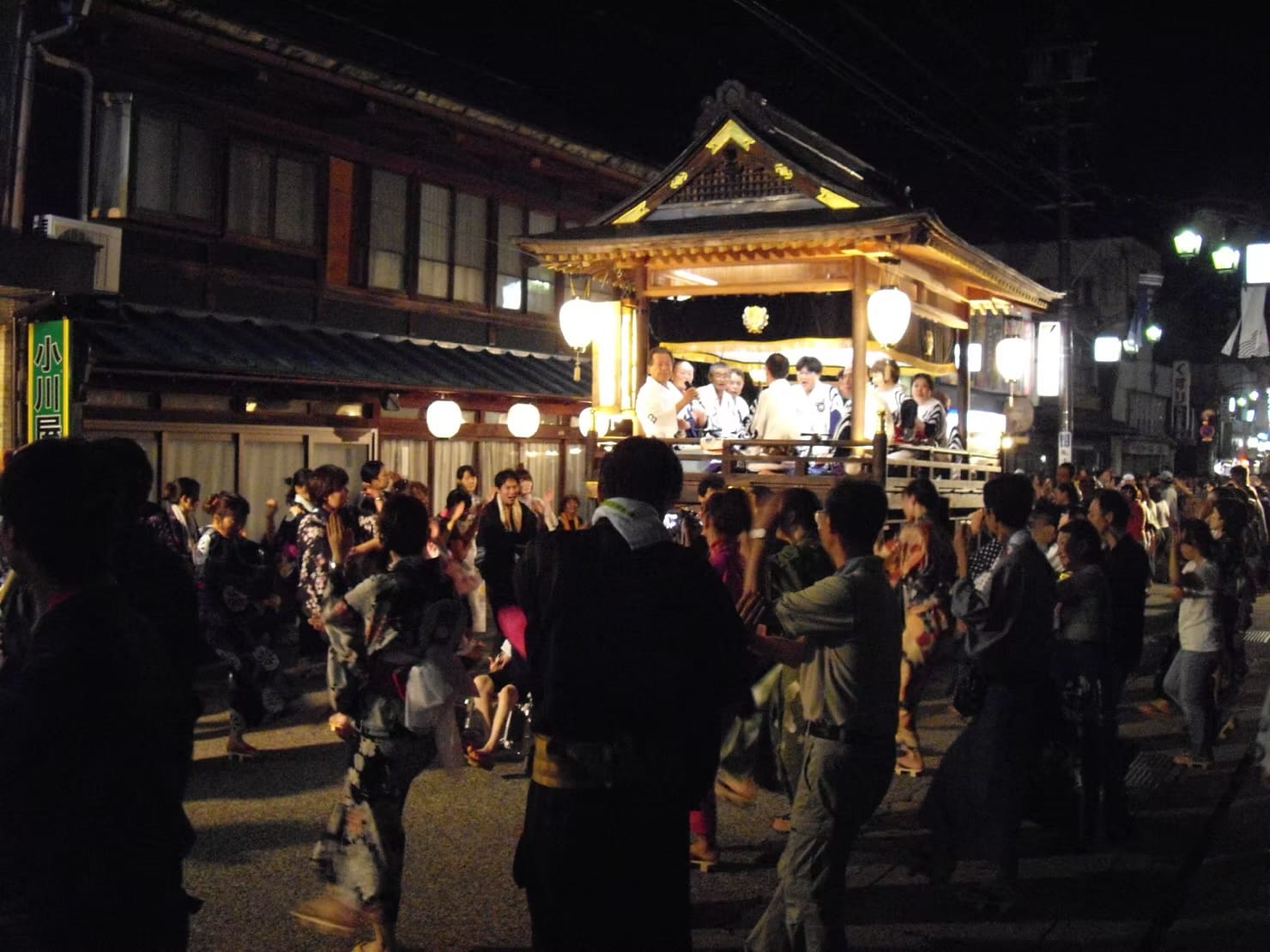
Dance, Culture, and Flavors from the Heart of Gifu — in the Heart of Tokyo
🗓 Schedule
Dance
- June 20 (Fri): 5:00 PM – 8:00 PM
- June 21 (Sat): 5:00 PM – 8:00 PM
Local Product Market
Both days from 3:00 PM until the end of dancing
✨ Event Highlights
Experience the charm of Gujo Hachiman's iconic summer dance right in the middle of Tokyo at the Gujo Odori in Aoyama—a special event with deep historical ties to the neighborhood. Aoyama owes its name to Tadanari Aoyama, a retainer of Tokugawa Ieyasu. The Aoyama clan later governed the Gujo domain in Gifu, and their family temple, Baisō-in, remains in Aoyama to this day—hence the cultural connection that inspired this unique festival.
Gujo Odori is one of Japan’s most famous traditional dances, known for its welcoming atmosphere. Even first-timers are encouraged to join in by following along with the simple, repetitive movements—no experience necessary!
Alongside the dancing, don’t miss the local product market offering specialties from Gujo, including Meiho ham, regional sake, and fresh vegetables.
📍Location & Access
Chichibunomiya Rugby Stadium Parking Lot
2-8-35 Kita-Aoyama, Minato-ku, Tokyo
5-minute walk from Gaiemmae Station (Tokyo Metro Ginza Line)
Notes: While shelves will be available at the venue, there are no coin lockers or baggage services. Please manage your personal belongings carefully.
💴 Admission
Free
🔗 Official Info & Links
Gujo Hachiman Tourism Association
☎ 0575-67-0002
Event Website (In Japanese)
Sennichi Mairi & Hozuki Fair: Ancient Summer Blessings at Atago Shrine
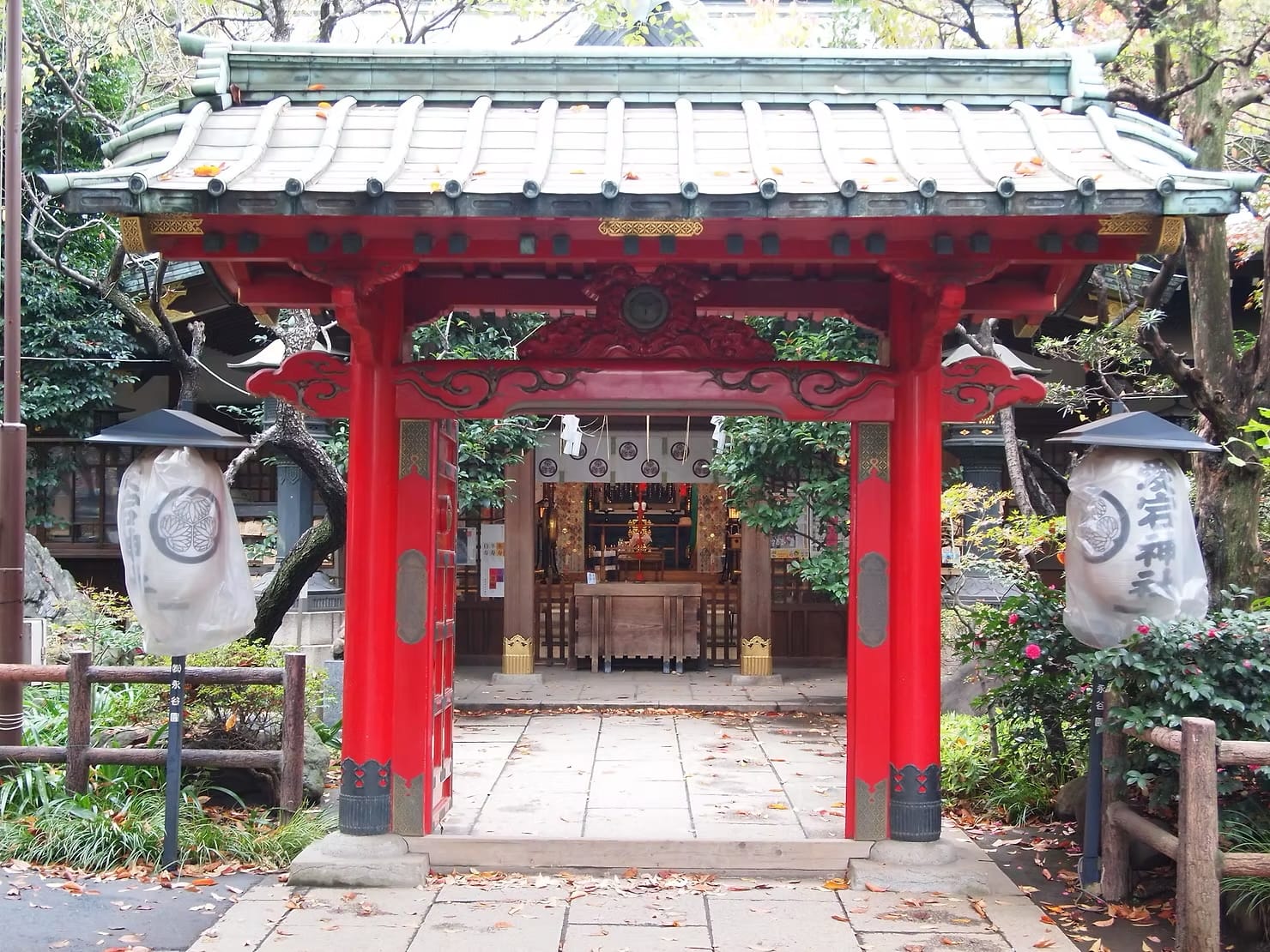
Receive 1,000 Days of Blessings in Just One Visit
🗓 Schedule
June 23 (Tue) – June 24 (Wed), 2026
Main ceremony: June 24 at 11:00 AM (Chūsaishiki – Summer Purification Ritual)
✨ Event Highlights
Step into a centuries-old summer tradition at Atago Shrine in central Tokyo. The Sennichi Mairi, or “1,000-Day Visit,” is held once a year and is believed to grant blessings equal to 1,000 visits when you pass through the sacred Chinowa (grass ring) and offer prayers.
Visitors can also receive purified hozuki (ground cherries)—once thought to ease ailments and bring health—offered with a spiritual blessing inside the shrine’s main hall. Atago Shrine is one of the origin points of this summer tradition, long before the more famous Asakusa market.
On June 24, join the Chūsaishiki purification ritual, where paper dolls (hitogata) are used to symbolically cast away impurities from the first half of the year.
Main Highlights
- June 23–24: Walk through the sacred Chinowa ring
- Hozuki Fair: Receive blessed ground cherries and health wishes
- June 24 at 11:00 AM: Chūsaishiki purification ritual (open to all)
📍Location & Access
Atago Shrine
1-5-3 Atago, Minato City, Tokyo
5-minute walk from Kamiyacho Station (Tokyo Metro Hibiya Line)
💴 Admission
Free (optional donations and fees may apply for blessings or items)
🔗 Official Info & Links
Atago Shrine Website (Japanese)
Shitamachi Tanabata Festival 2026
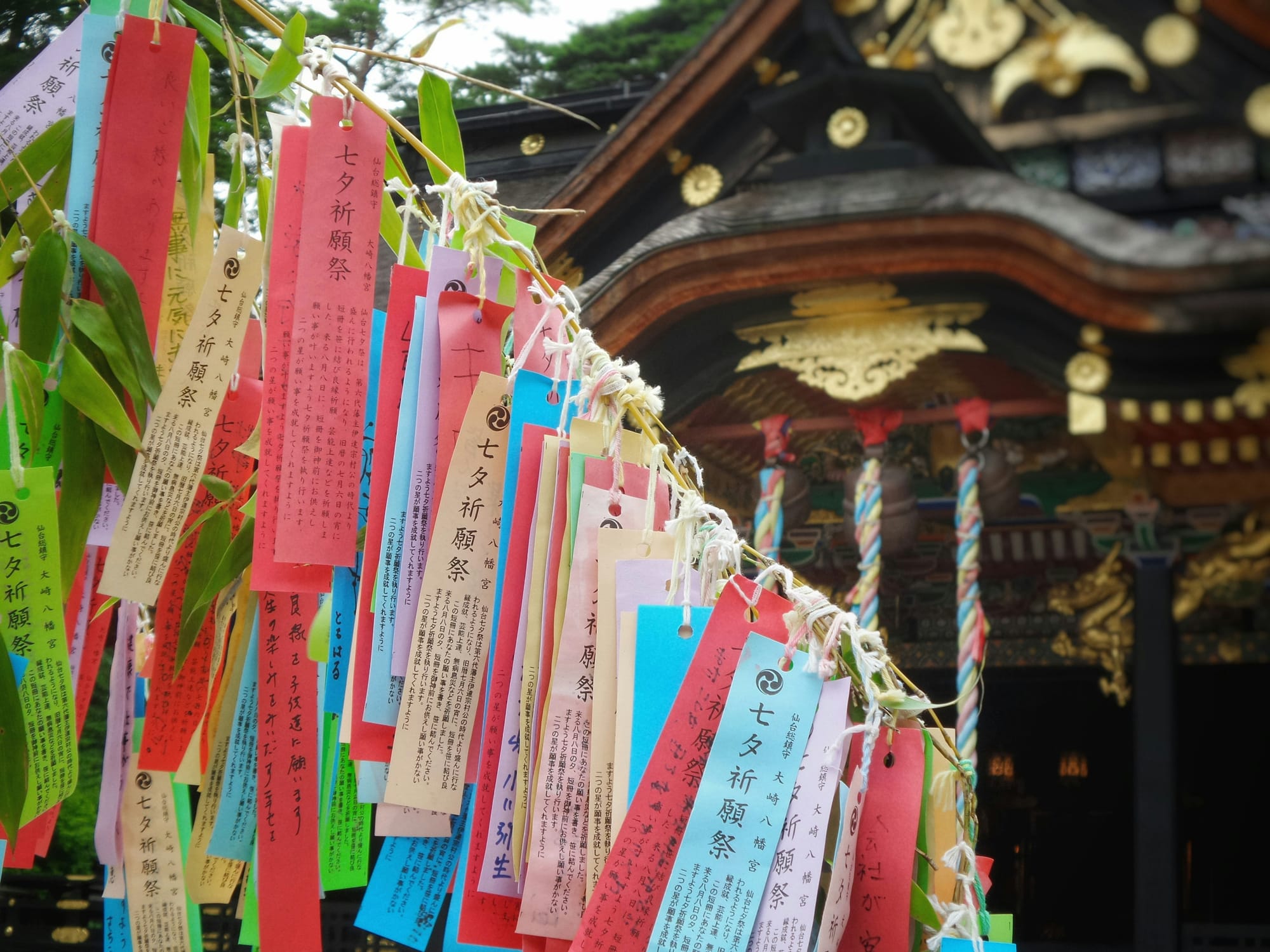
One night. Two stars. A thousand wishes.
🗓 Schedule
July 3 (Fri) – July 7 (Tue), 2026
Tanabata Decorations: July 3rd - July 7th
Main Event: July 4th - July 5th (10:00 AM - 7:00 PM)
✨ Event Highlights
Tanabata, or the Star Festival, is one of Japan's most poetic summer traditions. Rooted in a Chinese legend retold through Japanese culture for over 1,300 years, the festival celebrates the annual reunion of two celestial lovers — Orihime (the Weaver Star, Vega) and Hikoboshi (the Cowherd Star, Altair) — separated by the Milky Way and allowed to meet only once a year on the seventh night of the seventh month.
The most visible expression of Tanabata is the **tanzaku** tradition: writing a wish or poem on a small strip of coloured paper and hanging it from a bamboo branch alongside paper decorations. In Tokyo, shopping streets and shrines across the city are transformed with cascading streamers of color in the days leading up to July 7.
Main Highlights
- Street stalls, live performances, and yukata-clad crowds at major festival sites
- Odori dance events during the celebration
📍Location & Access
Kappabashi Hon-Dori
3-3-4 Nishiasakusa, Taito City, Tokyo
5-minute walk from JR Ueno Station
💴 Admission
Free (items and food available for purchase)
🔗 Official Info & Links
Taito City Website (Available in Japanese)
Shiman-rokusen-nichi & Hozuki Market at Sensoji Temple
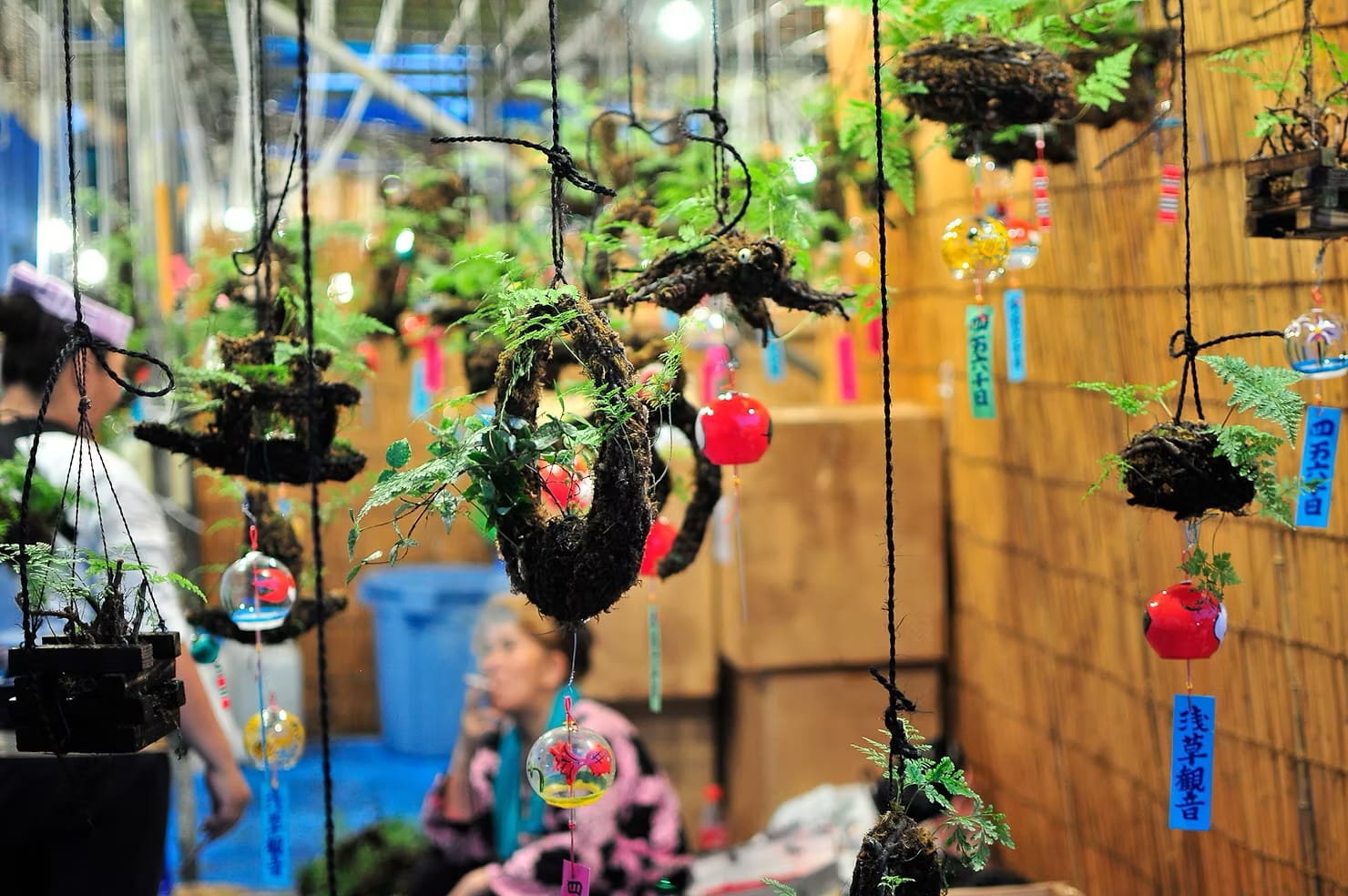
Earn 46,000 Days of Merit in One Visit
🗓 Schedule
July 9 (Thu) – July 10 (Fri), 2026
Main merit day: July 10 (Shimanrokusennichi – “46,000 Days of Blessings”)
Hozuki Market: Both days from morning until evening
✨ Event Highlights
Celebrate one of Tokyo’s most iconic summer events at Sensoji Temple in Asakusa. Held every July 9–10, this vibrant fair combines spiritual tradition with festival fun.
On July 10, the Shimanrokusennichi observance is said to grant the merit of 46,000 days—a once-in-a-lifetime blessing that draws worshippers from across Japan.
At the same time, the Hozuki Market fills the temple grounds with nearly 100 stalls selling bright orange ground cherries, wind chimes, and summer charms. Originally inspired by Atago Shrine’s healing cherry offerings, this market has become a beloved Edo-period tradition in its own right.
Main Highlights
- July 9–10: Bustling Hozuki Market with ~100 stalls
- July 10: Shiman-rokusen-nichi – prayer said to equal 46,000 days of merit
- Limited-Time Only:
- Raijōke-fuda (Lightning Protection Charm)
- Kifuda (Golden-wrapped talismans)
📍Location & Access
Senso-ji Temple
2-3-1 Asakusa, Taito City, Tokyo
5-minute walk from Asakusa Station (Tokyo Metro Ginza Line, Toei Asakusa Line, Tobu Skytree Line, Tsukuba Express)
💴 Admission
Free (items, food, and charms available for purchase)
🔗 Official Info & Links
Senso-ji Website (Available in English)
Mitama Festival at Yasukuni Shrine
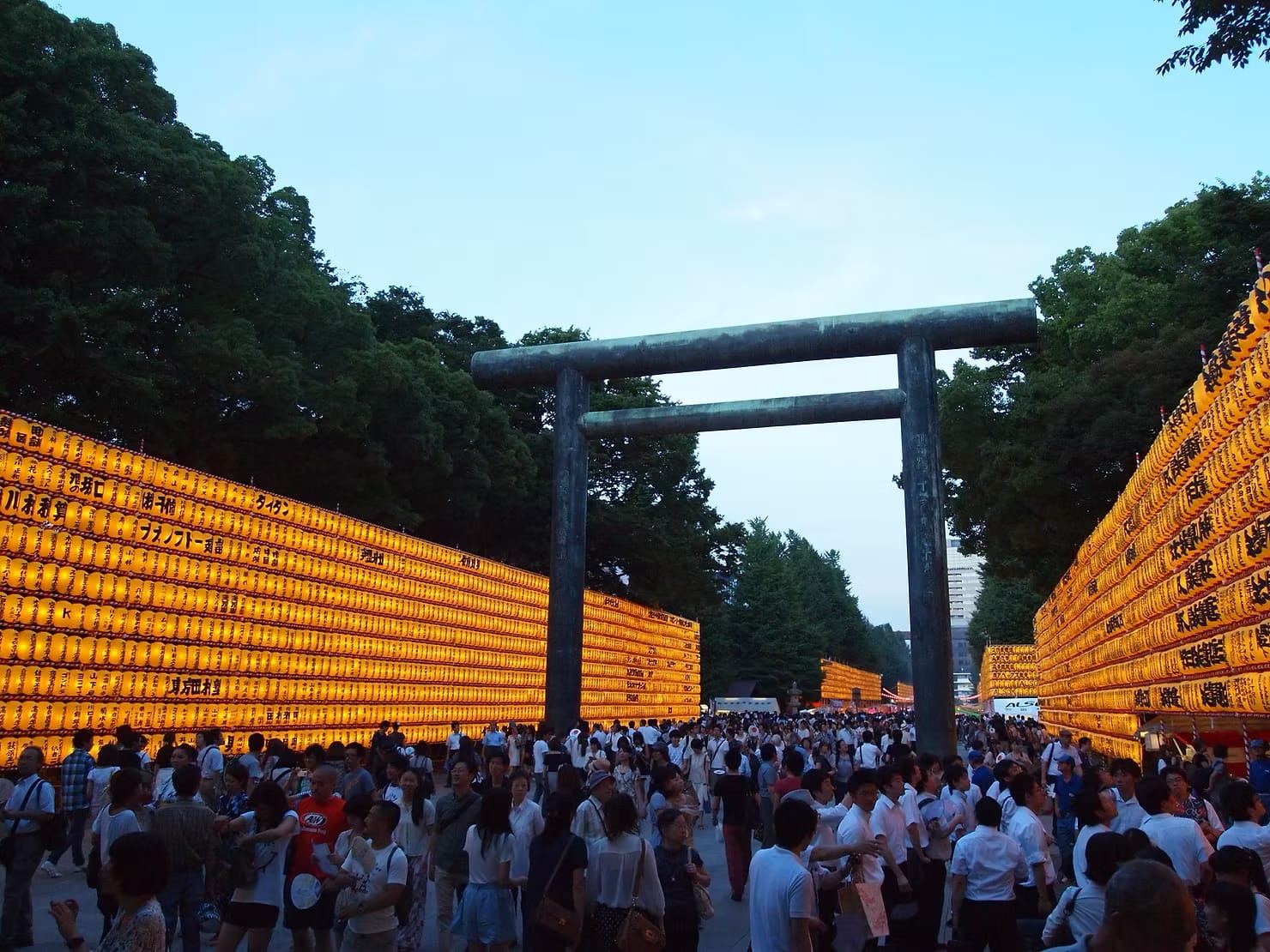
Over 30,000 Lanterns Light Up Tokyo’s Sacred Nights
🗓 Schedule
July 13 (Mon) – July 16 (Thu), 2026
Shrine Visit Hours: 6:00 AM – 9:30 PM
Worship Reception at Main Hall: 9:00 AM – 8:00 PM
Evening ceremonies and illuminations begin after sunset
✨ Event Highlights
First held in 1947, Mitama Festival is one of Tokyo’s most atmospheric summer events, dedicated to honoring ancestral spirits and those who gave their lives in war. The shrine grounds glow with over 30,000 lanterns, creating a magical nightscape that draws hundreds of thousands of visitors.
Nightly Ritual Ceremonies are held at the Main Hall each evening to comfort spirits, while the festival atmosphere is brought to life with cultural performances, bon-odori dances, and floats like those from the Aomori Nebuta Festival.
Main Highlights
- 30,000+ glowing lanterns & hand-painted bonbori
- Evening rituals (July 13–16) with unique themes each night
- Bon-odori dance along the lantern path
- Cultural dedications: Nebuta floats, taiko, floral displays
📍Location & Access
Yasukuni Shrine
3-1-1 Kudankita, Chiyoda-ku, Tokyo
Nearest Station: 5-minute walk from Kudanshita Station (Tozai, Hanzomon, Shinjuku Lines)
💴 Admission
Free lantern dedications:
- Large: ¥20,000
- Small: ¥5,000
🔗 Official Info & Links
Mitama Festival Event Page (Available in English)
436th Hassaku Sumo Festival at Ōkunitama Shrine
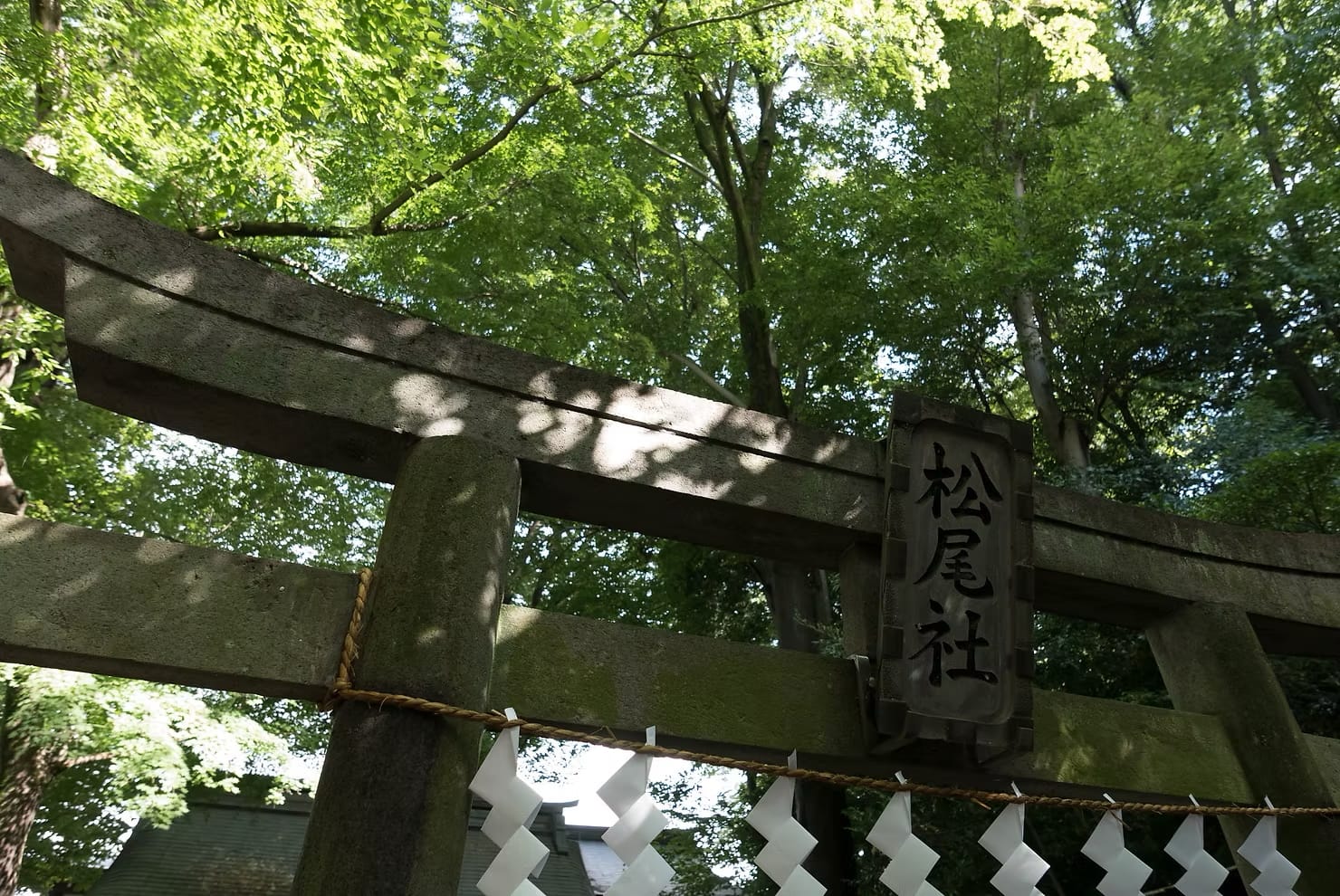
Experience the Hassaku Sumo Festival on August 1 at Ōkunitama Shrine in Fuchu. This traditional children’s sumo event celebrates the harvest, local history, and community spirit with cheerful competition and historic rituals.
🗓 Schedule
August 1, 2026 (Fri)
Opening Ceremony: 11:00 AM
Competition Start: 12:00 PM
Closing Ceremony: 3:30 PM
✨ Event Highlights
Children Take Center Stage at the Hassaku Sumo Festival
On August 1, the grounds of Ōkunitama Shrine come alive with the energetic shouts and laughter of local children as they participate in this long-standing sumo tradition. Known as Hassaku (short for hachigatsu sakujitsu, or "first day of August"), the day marks a time of prayer for a bountiful harvest and protection from summer storms.
Historically known as Tanomi no Sekku, the festival also commemorates Tokugawa Ieyasu’s entry into Edo Castle in 1590, linking the event to national heritage. The sumo matches began as a sacred offering for peace and prosperity, and the tradition has continued through centuries as a beloved community event.
Main Highlights
- Children’s sumo matches with local elementary students
- Historical rituals marking the harvest and Edo-era milestones
- A community festival filled with tradition and local pride
- Former child wrestlers returning to cheer on the next generation
- Ceremonial banners, lively crowds, and a festive atmosphere
📍 Location & Access
Ōkunitama Shrine
3-1 Miyamachi, Fuchu City, Tokyo
- 5-minute walk from Fuchu Station (Keio Line)
- 8-minute walk from Fuchuhommachi Station (JR Nambu Line)
💴 Admission
Free
No tickets required — everyone is welcome to enjoy this heartwarming and historic festival.
🔗 Official Info & Links
Ōkunitama Shrine Official Website – Hassaku Sumo Festival (Japanese)
Fuchu City Information Site (Japanese)
2026 Izu Ōshima Summer Festival: Fireworks and Festivities by the Sea

Celebrate summer island-style at the 45th Izu Ōshima Summer Festival on August 8! Enjoy food stalls, live performances, kids’ games, and a stunning fireworks show over the sea.
If you're interested in other fireworks shows happening around Tokyo this Summer, check out our blog here for all the information you need.
🗓 Schedule
August 8, 2026 (Saturday)
※In case of rain, strong winds, or high waves, the event may be postponed to:
- August 9 (Sunday)
- August 11 (Tuesday)
✨ Event Highlights
A Beloved Island Summer Tradition
Now in its 45th year, the Izu Ōshima Summer Festival brings the island community and visitors together for an unforgettable summer night. The streets around Motomachi Port become a pedestrian-only zone for a festive evening filled with food, games, and stage performances — all leading up to a spectacular fireworks show over the sea.
Main Highlights
- Traditional food stalls and local snacks
- Festival games and kid-friendly activities
- Stage entertainment with live music and cultural performances
- Festive atmosphere along the Motomachi Port promenade※Event content may be subject to change due to weather or other conditions
Fireworks Show
Date: August 8, 2026 (Saturday)
※May be postponed to August 10 or 11 in case of bad weather
Time: 5:00 PM - 8:30 PM
Location: Offshore from Motomachi Port Pier
Please note: Drone flying and filming is strictly prohibited during the fireworks.
Watch the night sky explode with dazzling bursts of color reflected on the waves — a perfect summer sendoff.
📍Location & Access
Motomachi Port Area, Izu Ōshima, Tokyo
Accessible by ferry from Tokyo’s Takeshiba Pier or by air from Chofu Airport.
💴 Admission
Free
Enjoy the festival atmosphere and fireworks at no cost. The Izu Ōshima Summer Festival Executive Committee is currently accepting donations to help fund the fireworks display.
🔗 Official Info & Links
Izu Ōshima Summer Festival Executive Committee Office
📍 1-1-14 Motomachi, Oshima-machi, Tokyo 100-0101
📞 04992-2-3791
Tokyo Summer Festivals 2026 FAQs
What are the best summer festivals in Tokyo in 2026?
For cultural depth, the Sanno Festival (June 7–17) and Mitama Festival (July 13–16) are unmissable. Both are among Japan's most historically significant summer celebrations. For natural beauty, the Katsushika Iris Festival (May 25–June 14) and the hydrangea festivals in Fuchu and Bunkyo offer stunning seasonal displays. For something truly local and off the tourist trail, the Hassaku Sumo Festival on August 1 in Fuchu is a rare chance to see a centuries-old children's tradition in a neighborhood shrine setting.
Are Tokyo summer festivals free to attend?
Most of the festivals in this guide are free to attend. The Katsushika Iris Festival, Mitama Festival, Sanno Festival, Gujo Odori, Tanabata celebrations, and Izu Ōshima Summer Festival all have free public access. A small number of activities, workshops, and food services within festivals carry separate fees (these are noted in each event listing above). The Fuchu Hydrangea Festival requires entry to the museum grounds, with workshops and tea service charged separately at ¥300–¥700.
When is the Mitama Festival in Tokyo 2026?
The Mitama Festival at Yasukuni Shrine runs July 13–16, 2026. The shrine is open from 6:00 AM to 9:30 PM daily during the festival, with evening ceremonies and lantern illuminations beginning after sunset. Over 30,000 lanterns light the shrine grounds, making the evening hours the most atmospheric time to visit. The nearest station is Kudanshita (Tozai, Hanzomon, and Shinjuku Lines), a five-minute walk away.
What is Tanabata and how is it celebrated in Tokyo?
Tanabata, or the Star Festival, is held on July 7 and celebrates the legendary reunion of two celestial lovers — Orihime (Vega) and Hikoboshi (Altair) — who are separated by the Milky Way for most of the year. The most visible tradition is writing a wish on a tanzaku (a small colored strip of paper) and hanging it from a bamboo branch. In Tokyo, shopping streets and shrines are decorated with bamboo and cascading paper streamers throughout early July. The Asagaya Tanabata Festival, held in late July to early August, is one of Tokyo's largest celebrations with elaborate competition-grade handmade decorations.
What is the Hozuki Market at Sensoji Temple?
The Hozuki Market at Sensoji Temple in Asakusa runs July 9–10, 2026, and is one of Tokyo's most distinctive summer events. Around 100 stalls fill the temple grounds selling hozuki (bright orange ground cherries), wind chimes, and seasonal charms. July 10 is the Shimanrokusennichi observance — a prayer on this date is said to grant the spiritual merit of 46,000 days of worship. Limited-edition charms including lightning protection talismans are available on this date only. Entry to the market is free.
What should I wear to a Tokyo summer festival?
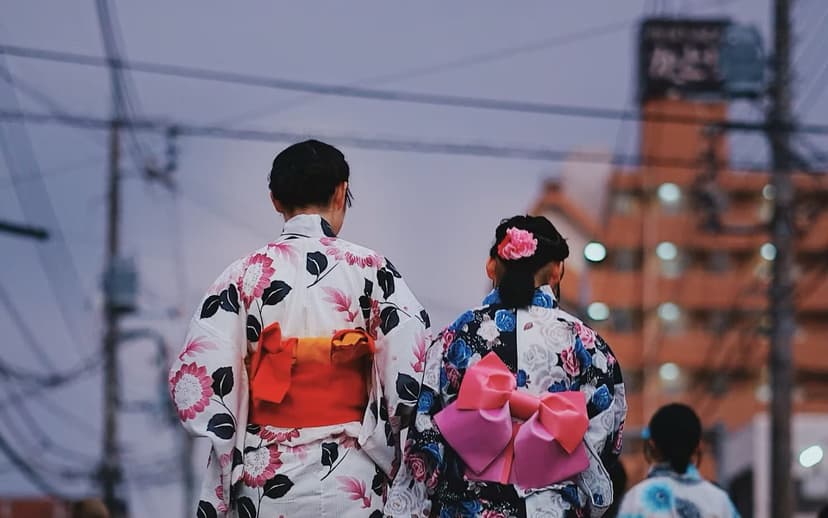
A yukata — a lightweight cotton summer kimono — is the traditional choice and widely worn by locals at summer festivals. Rental shops in Asakusa and Shinjuku offer same-day yukata hire from around ¥3,000–¥6,000 including dressing assistance. For those not wearing yukata, breathable lightweight clothing and flat comfortable shoes are essential — Tokyo summers are hot and humid, and most festivals involve significant walking. Bring a hand fan, a small towel, and cash for food stalls, most of which are cash-only.
How do I get to the Mitama Festival at Yasukuni Shrine?
Yasukuni Shrine is located in Chiyoda, central Tokyo. The nearest station is Kudanshita Station (Tokyo Metro Tozai, Hanzomon, and Shinjuku Lines), a five-minute walk from the shrine entrance. The area becomes very busy on festival evenings — arriving before sunset is recommended to secure a good viewing position for the lantern illuminations.

Want a closer look at Japan’s vibrant summer festivals in motion?
Want a closer look at Japan’s vibrant summer festivals in motion? Follow us on Instagram for insider local tips, hidden gems, and off-the-beaten-path moments. And if you're ready to explore them yourself, TOMOGO! makes it easy to find authentic tours and experiences led by local tour leaders, wherever the season takes you!