
All About Obon, Japan’s Festival of Souls
For a few nights each August, the boundary between the living and the dead is said to dissolve entirely. During this extraordinary event, families return home, lanterns drift down rivers, and mountains glow with fire.
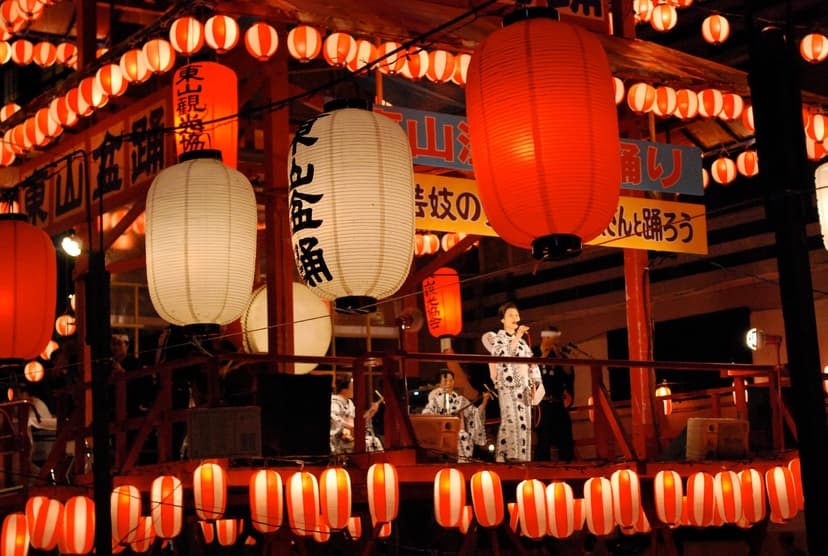
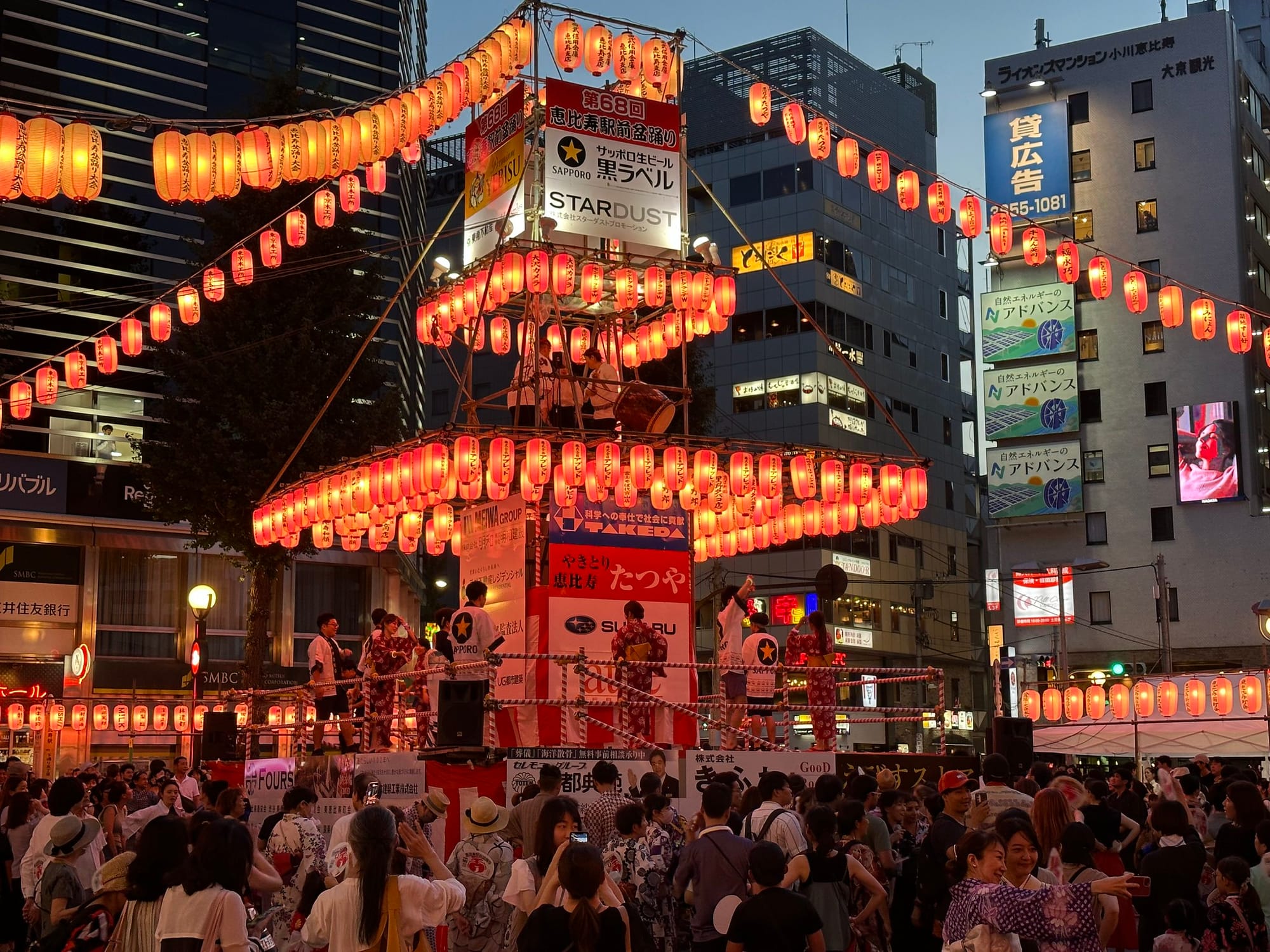
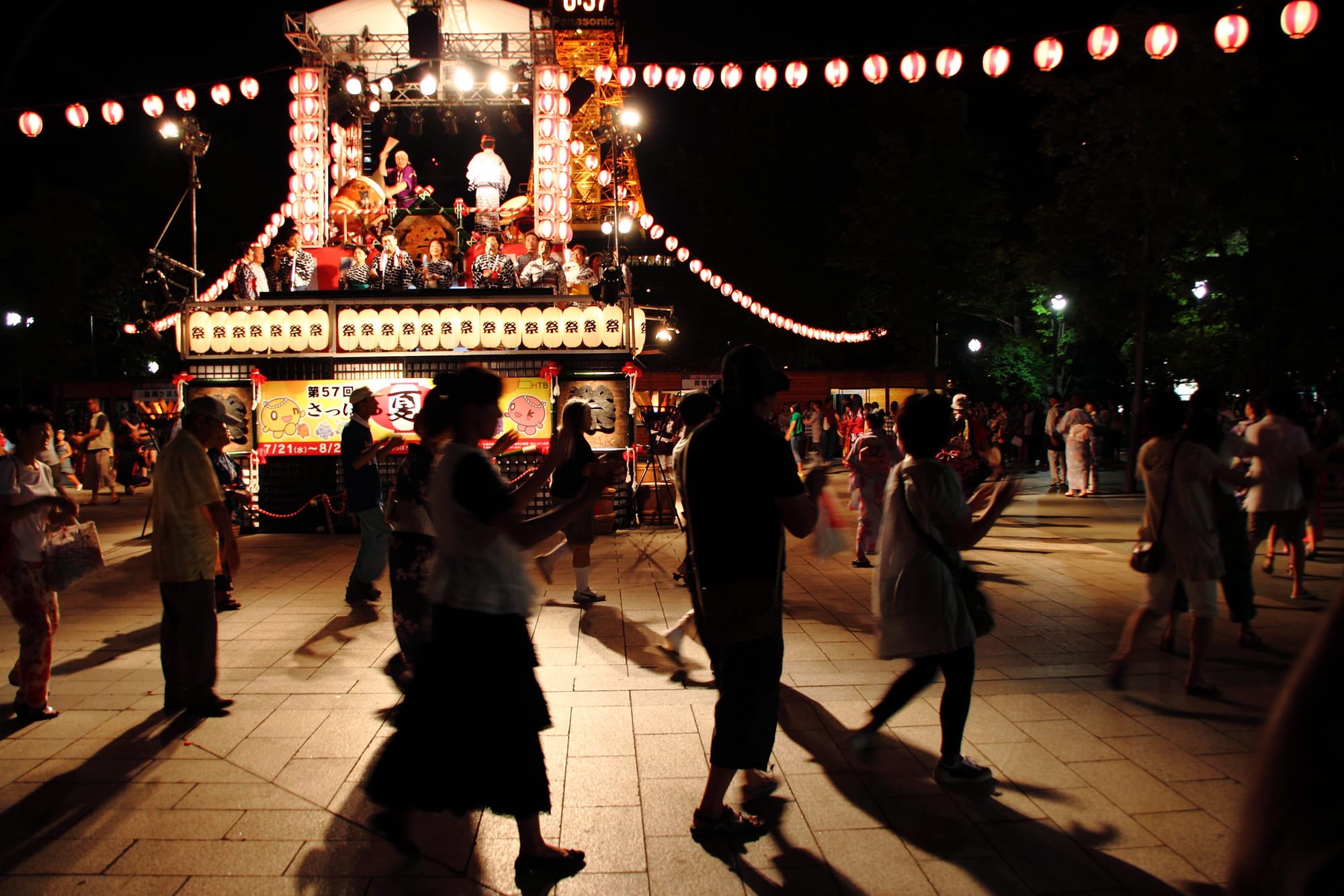
It's a warm August evening in Tokyo and the neighborhood park has transformed. A wooden stage stands at the center, paper lanterns line the path in, and dozens of people in yukata are moving slowly in a circle to the beat of a taiko drum. Nobody seems to be performing. Everyone seems to be participating.
This is Obon. Japan’s summer festival of the dead.
What Is Obon?
During this multi-day period, families honor and welcome back the spirits of their ancestors. It's one of the most important holidays on the Japanese calendar, alongside New Year and Golden Week. But unlike those two, most visitors don't fully understand it. They feel the disruption, miss the meaning, and walk past some of the most meaningful ceremonies Japan has to offer.
This guide will change that. By the end, you'll know what Obon is, how it's celebrated, when to expect crowds, and where to be if you want to experience the magic of it firsthand.
How Obon Began: A Story of a Son, His Mother, and a Dance
Obon is often described as a Buddhist festival, but its roots run even deeper than that.
Long before Buddhism arrived in Japan, the country's indigenous Shinto religion already observed a custom of welcoming ancestral spirits home. Once in spring, and again in Autumn.
When Buddhism arrived in the 6th century, its teachings were merged with those existing Shinto beliefs and Obon as we know it today was born: a beautiful blend of two traditions, united by the same wish to stay connected to those who came before.
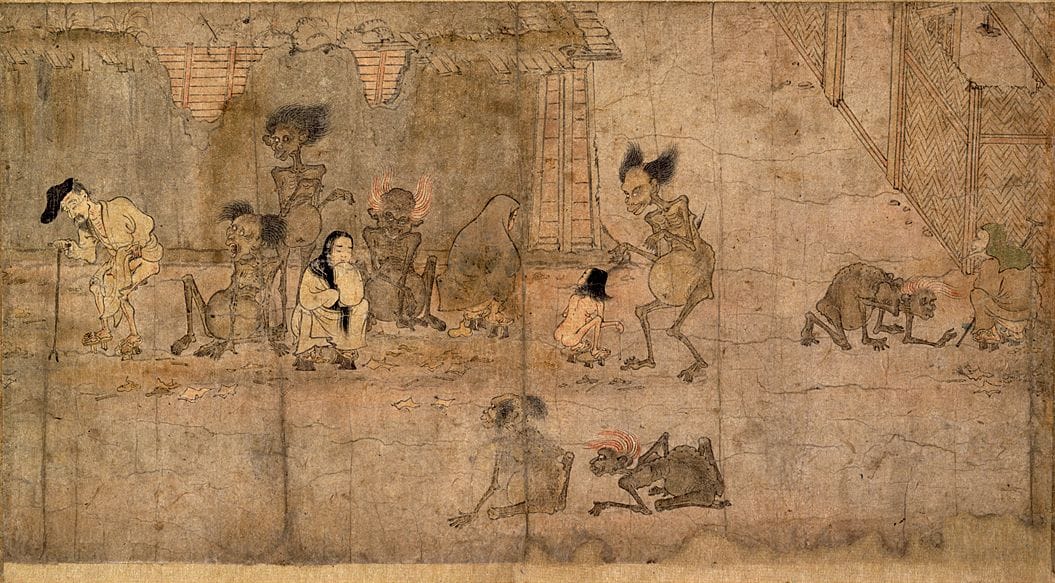
The Buddhist origin story centers on Maha Maudgalyayana (known in Japanese as Mokuren), one of the Buddha's most devoted disciples. Using his supernatural perception, Mokuren looked upon his deceased mother and was devastated by what he found: she had fallen into the realm of hungry ghosts, condemned to an afterlife of insatiable hunger and thirst.
Heartbroken, Mokuren went to the Buddha and asked how he could help her. The Buddha's instructions were simple: on the 15th day of the seventh month, make offerings of food to your mother and to the other suffering spirits. Mokuren followed through with this, and his mother was released from her torment.
His joy was so overwhelming that he danced. And in doing so, he inadvertently started one of Japan's most beloved traditions: the bon odori.
The practice of offering food to ancestors on that sacred day spread across communities, fusing with Japan's existing ancestor-veneration customs, and Obon has been observed every year since.
How Japan Celebrates Obon
Obon unfolds over several days, with each day carrying its own customs. Here's how it typically looks:
August 12: Preparing the Welcome
The day before Obon officially begins is dedicated to preparation. Families clean their homes and family graves as an act of respect, tidying the physical and spiritual space before their ancestors arrive.
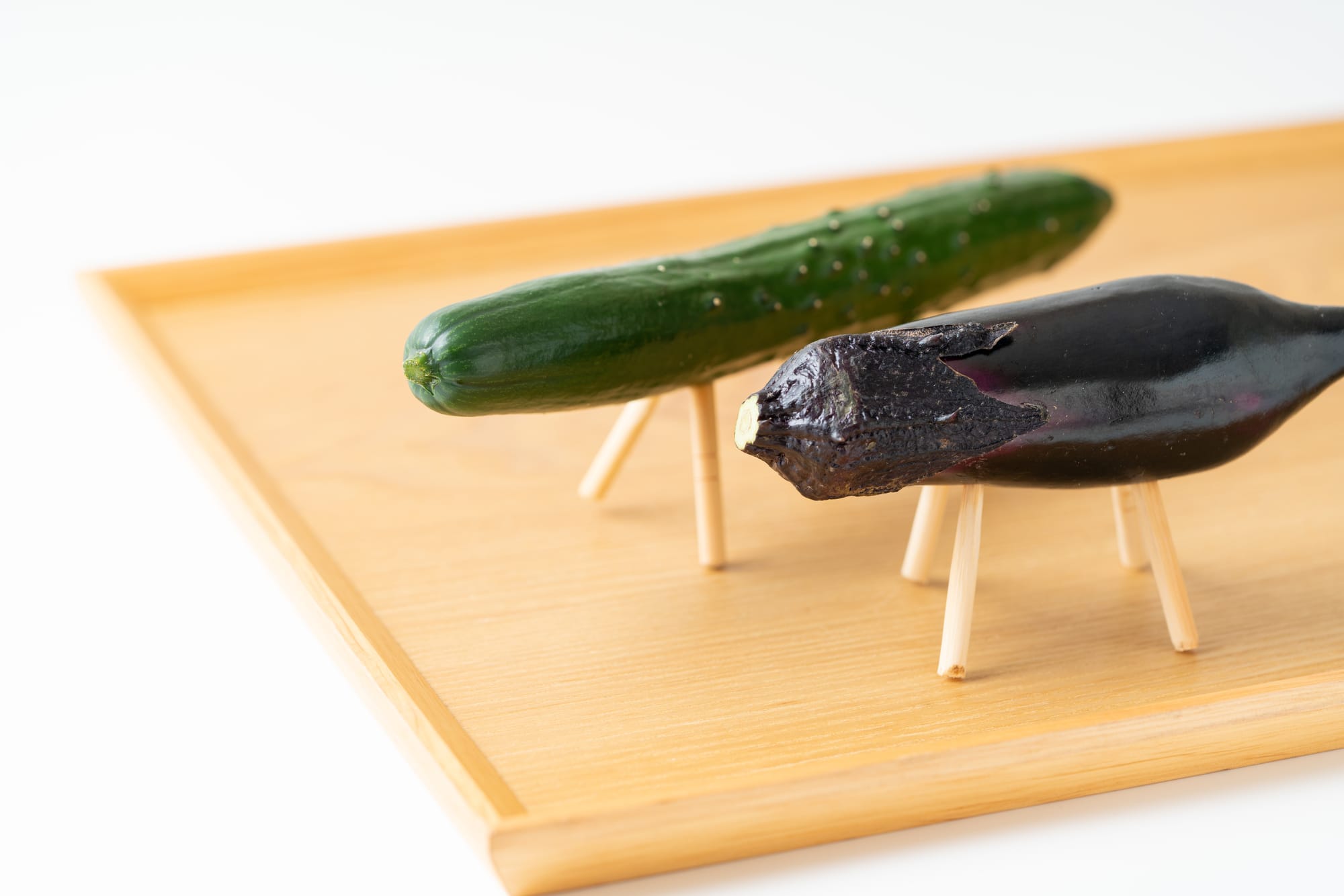
They also prepare shoryou-uma and shoryou-ushi: little figurines made by sticking toothpicks into cucumbers and eggplants to create legs, fashioning them into horses and cows.
These aren't just charming folk crafts. They carry real meaning. The cucumber horse is swift, meant to carry the ancestor's spirit quickly back to the world of the living. The eggplant cow is slow and sturdy, allowing the spirit to return to the afterlife at a gentle pace, taking its time, and carrying the family's offerings back with it.
August 13: Mukaebi, AKA The Welcoming Fire
The first official day of Obon is called Bon no Iri. On this evening, families light a small fire at their front door called a mukaebi (welcoming fire), traditionally made by burning dried hemp stalks. The smoke is believed to guide ancestral spirits home.
August 14 & 15: Visiting Graves and Giving Offerings
These central days of Obon are for family.
People visit the graves of loved ones, lay fresh flowers, burn incense, and pour water over the stone. At home, offerings of food are placed at the butsudan (the Buddhist household altar) alongside incense and flowers. Traditional Obon offerings are typically free of meat, and consist mainly of vegetarian dishes and sweets.
August 16: Okuribi, AKA The Sending Fire
As Obon ends, fires are lit once again. This time to guide the spirits gently back to the afterlife.
The okuribi (sending fire) mirrors the welcoming fire, and completes the cycle.
These private, home-based rituals are the heartbeat of Obon. But alongside them, across Japan's towns and cities, Obon also comes alive in very public and festive ways.
The Celebrations You Can Actually Join
Bon Odori: Japan's Summer Dance Festivals
The bon odori, which translates literally to "Bon dance", is the most visible and joyful expression of Obon. Originally performed to welcome and celebrate the presence of returning spirits, these community dances are now one of Japan's great summer social events.
At most bon odori festivals, a tall wooden stage called a yagura is set up in the center of a public space. Dancers circle the yagura in a loop, moving to the beat of taiko drums, shamisen, and traditional folk songs.
The steps are deliberately simple and repetitive, designed so that anyone can join in, from children to grandparents. First-timers are welcomed, not judged.
Most attendees wear yukata, the lightweight summer kimono, as much for practicality as tradition. It is the coolest thing you can wear on a warm August night. The festival grounds are also dotted with food and game stalls. It's cheerful, communal, and completely inclusive.
What dances you'll see depends on where you are in Japan:
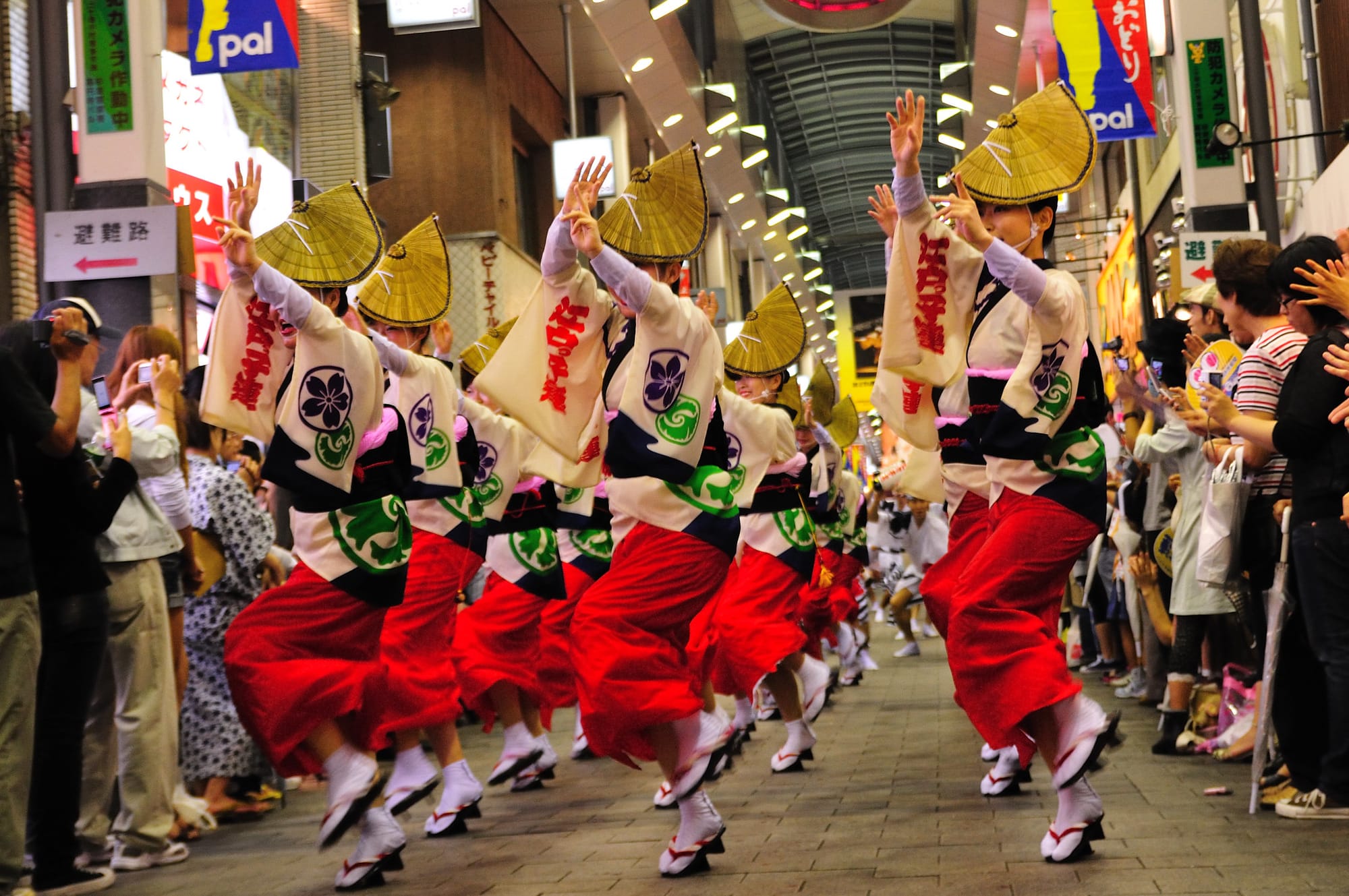
- Awa Odori (Tokushima, Shikoku): One of the country's most famous dances, Awa Odori alternates between fast-paced energetic movement and slow, creeping footwork. Tokushima's annual Awa Odori Festival in mid-August draws enormous crowds, with hotel bookings filling up over a year in advance.
- Yosakoi (Kochi, Shikoku): Born as an Obon variation, yosakoi is now a wildly versatile style. Dancers carry wooden clappers called naruko and the style blends easily with everything from pop to rock to electronic music.
- Nishimonai Bon Odori (Akita, Tohoku): This dance is more solemn and mysterious in character than other bon odori in Japan, and is performed in full-face masks and long dark robes.
- Gujo Odori (Gifu): Held over 30+ nights throughout summer, the Gujo Odori is unusual for how long it runs. On its final nights, the dancing continues until dawn.
If you're in Tokyo during Obon, you won't miss out. Bon odori festivals are held throughout the city's neighborhoods. Some venues put a modern spin on things too. Kanda Myojin Shrine in Akihabara, and festivals in Nakano and Shinjuku, are known to mix anime music, disco, and J-pop in alongside the traditional folk songs.
Lights on the Water: Toro Nagashi and Okuribi Ceremonies
Alongside the dancing, light plays a central role in Obon. Floating lanterns are used to guide ancestral spirits back to the afterlife at the end of the festival.
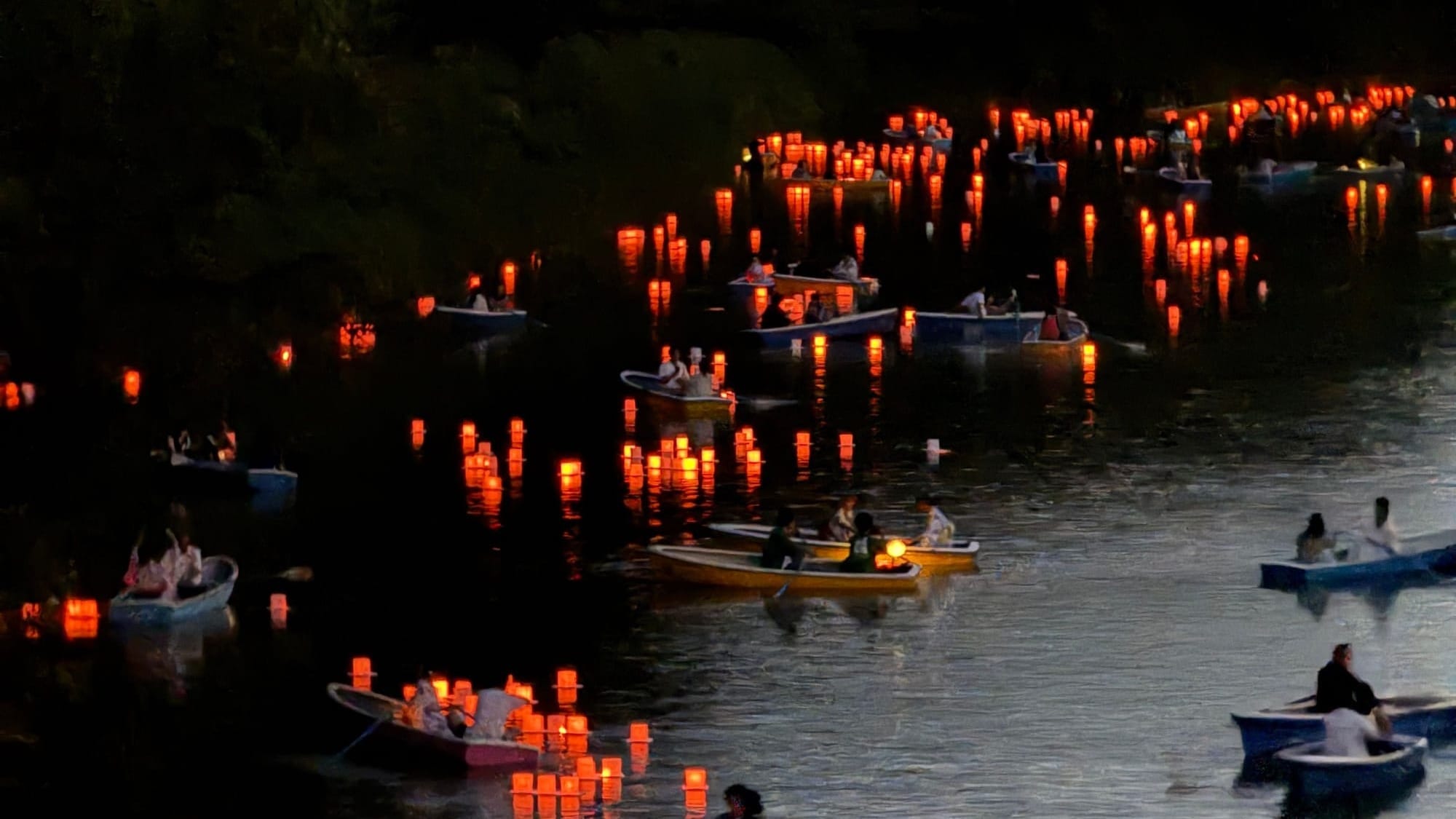
The floating lantern festival, which is known as toro nagashi, takes place at rivers, lakes, and harbors across Japan during Obon. Candle-lit paper lanterns, often inscribed with messages or wishes for the departed, are set adrift at dusk. The effect is one of the most moving sights Japan has to offer: hundreds of soft lights drifting slowly downstream as night falls.
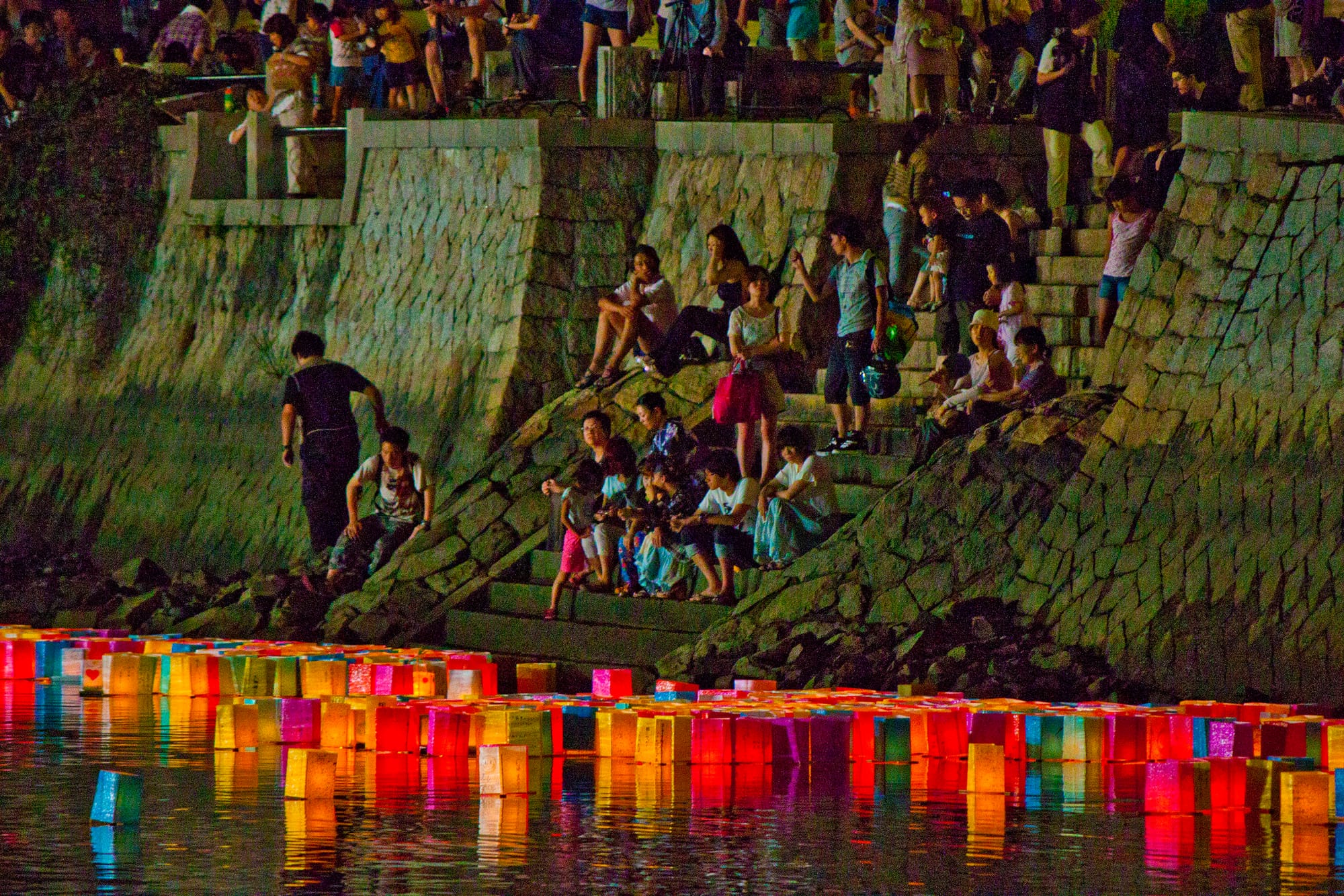
In Tokyo, toro nagashi events are held at Chidorigafuchi Moat in late July and on the Sumida River in Asakusa in mid-August. The Asakusa event, in particular, takes place in one of Tokyo's most traditional neighborhoods, and is a beautiful way to experience Obon if you happen to be in the city.
Want to check out the Asakusa Toro Nagashi Floating Lantern Festival with a local? Book TOMOGO!’s Asakusa History & Culture Walking Tour and watch the area come to life during Obon.
 Ellis David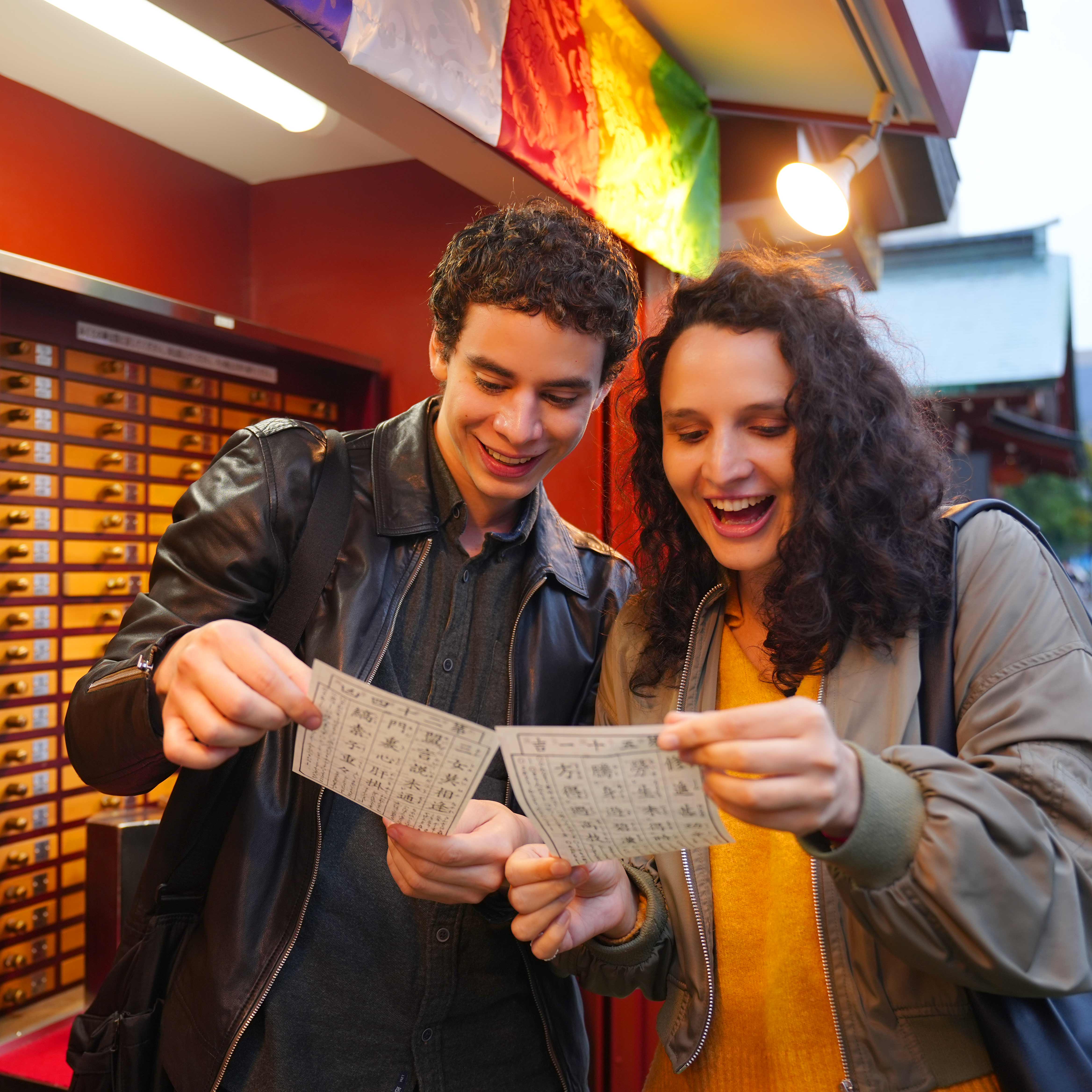
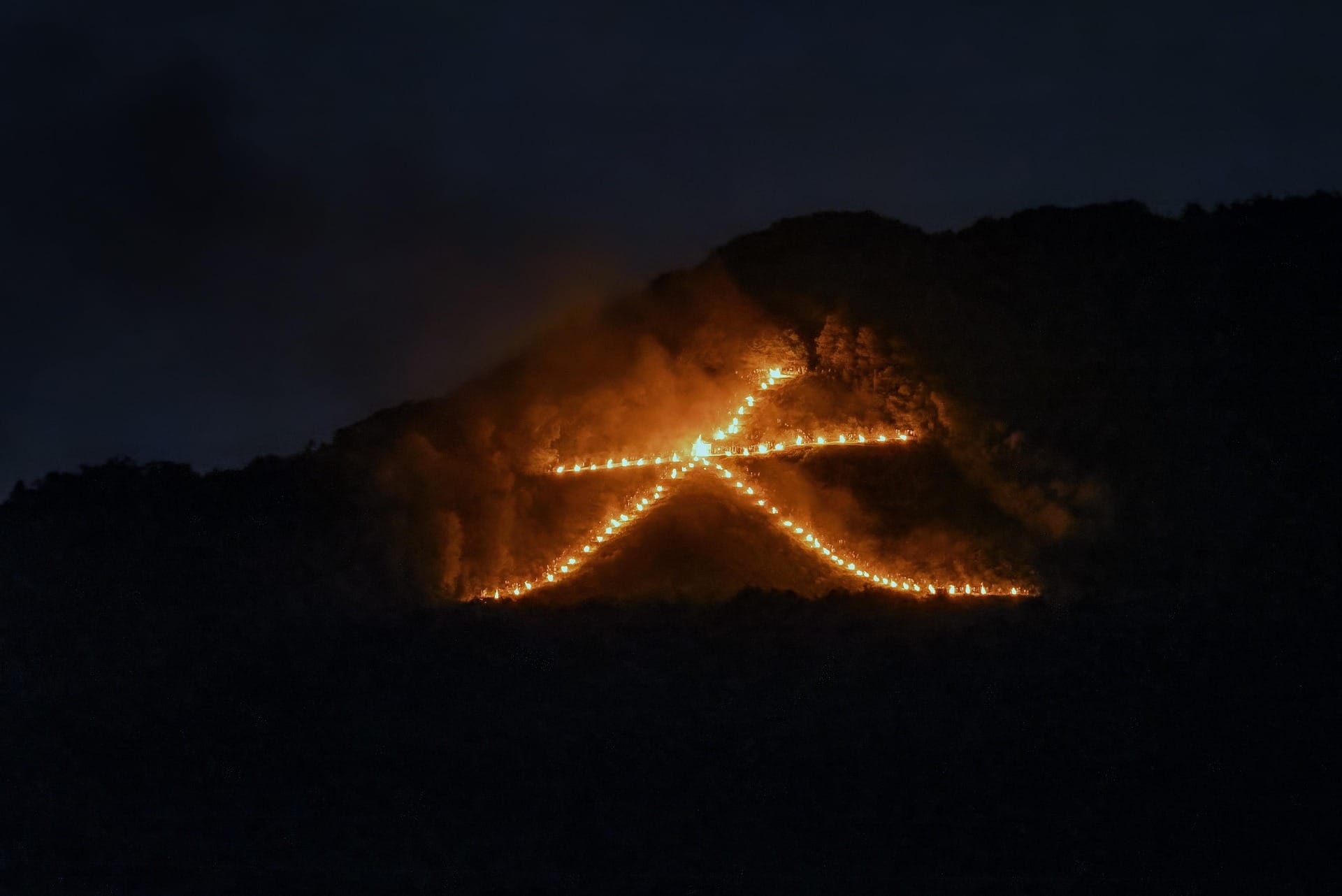
Another unmissable Obon event takes place in Kyoto: Gozan no Okuribi. On the night of August 16th, five enormous bonfires are lit on the mountains surrounding the city. Each one takes the shape of a different symbol: a large kanji character (大), a torii gate, a boat, and others. Known popularly as the Daimonji Festival, the event draws thousands to rooftops, riverbanks, and hillsides across Kyoto to watch the mountains light up. It lasts only about an hour, but it is unforgettable.
If you're going to be in Kyoto during Obon, the Daimonji Festival is not something to watch from just anywhere. Book a TOMOGO! Kyoto tour and let a local guide take you to the right spot, at the right time, with the full story behind every fire.
 Lewis Waddoups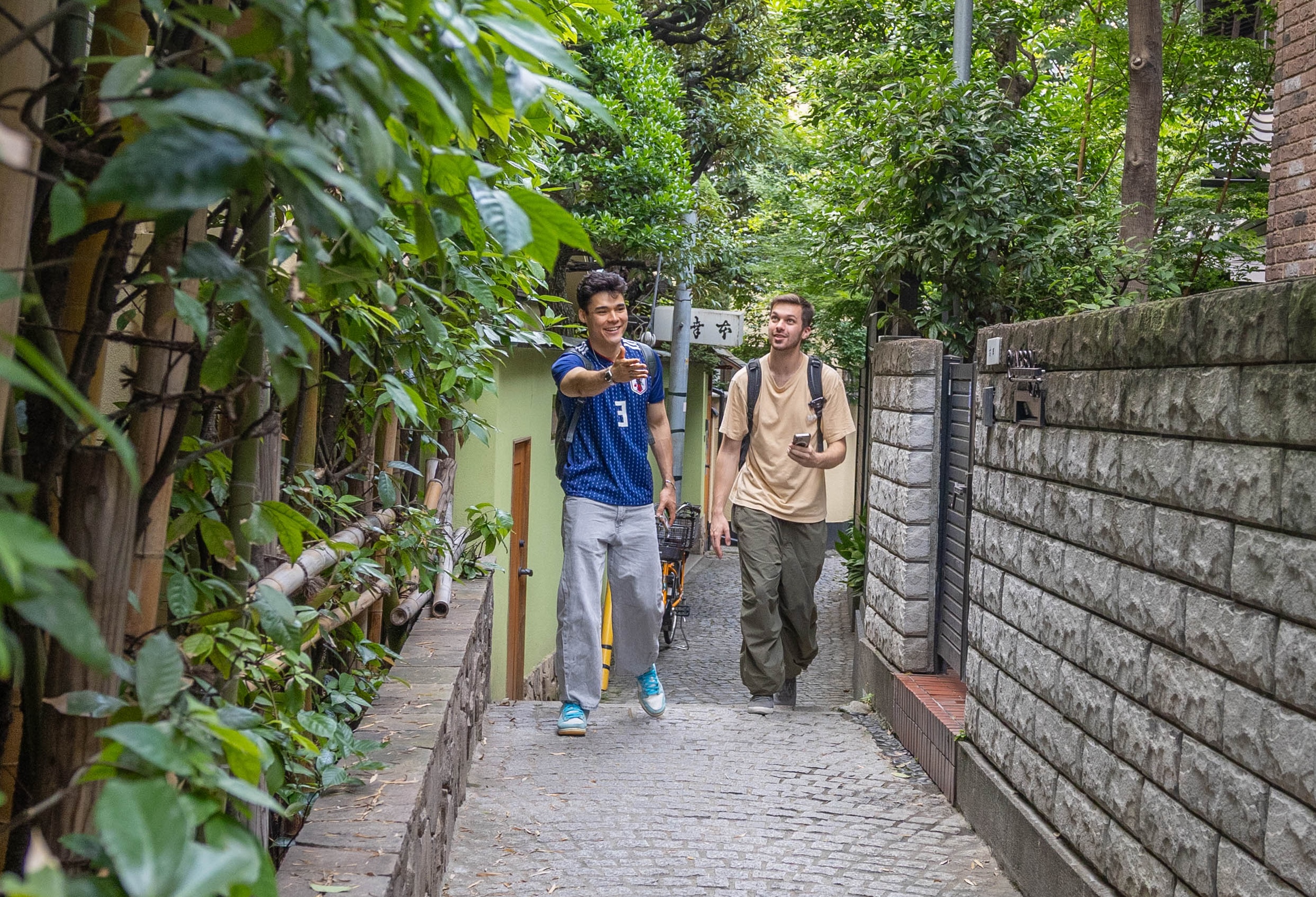
Ghost Stories: Japan's Original Spooky Season
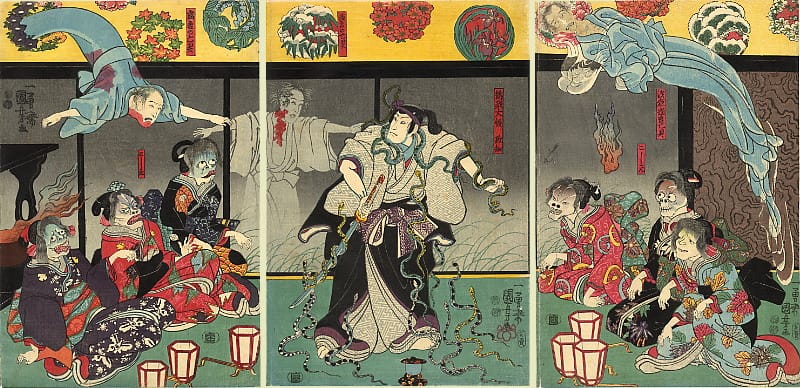
Long before Halloween made its way to Japan, the country had its own season for ghost stories and supernatural chills: Obon.
Historically, the logic was as much practical as spiritual. Before air conditioning, people believed that a frightening ghost story could give you chills and cool you down. Whether that worked or not is another matter, but the cultural habit stuck. To this day, Japanese horror films and TV shows covering ghost stories and supernatural encounters are routinely released throughout August.
When Is Obon? (And How Will It Affect Your Trip?)
This is where things get practical.
Most of Japan celebrates Obon in mid-August, around August 13 to 15. However, the dates are not fixed nationwide. When Japan adopted the Gregorian calendar in 1873, different regions chose different ways to adapt, which is why some areas observe Obon in July and others, like Okinawa, as late as September.
Obon 2026 dates:
The core Obon period of 2026 will run from Thursday August 13 to Sunday August 16. With Mountain Day falling on August 11 (Tuesday), many Japanese workers will take August 12 off to create a 6-day break. Those who also take August 8 and 10 off can stretch it to nine consecutive days off.
The peak travel days are expected to be:
- August 8, 11–13: people leaving the major cities
- August 15–16: people returning
What This Means for You as a Traveler
Obon week is one of Japan's three peak domestic travel seasons. Here's what to realistically expect:
Accommodation prices rise. Hotels — especially those in Tokyo, Kyoto, and Osaka — will be significantly more expensive during the week of Obon.
TOMOGO! tip: Book as early as possible. Waiting for last-minute deals during this period is a strategy that rarely pays off.
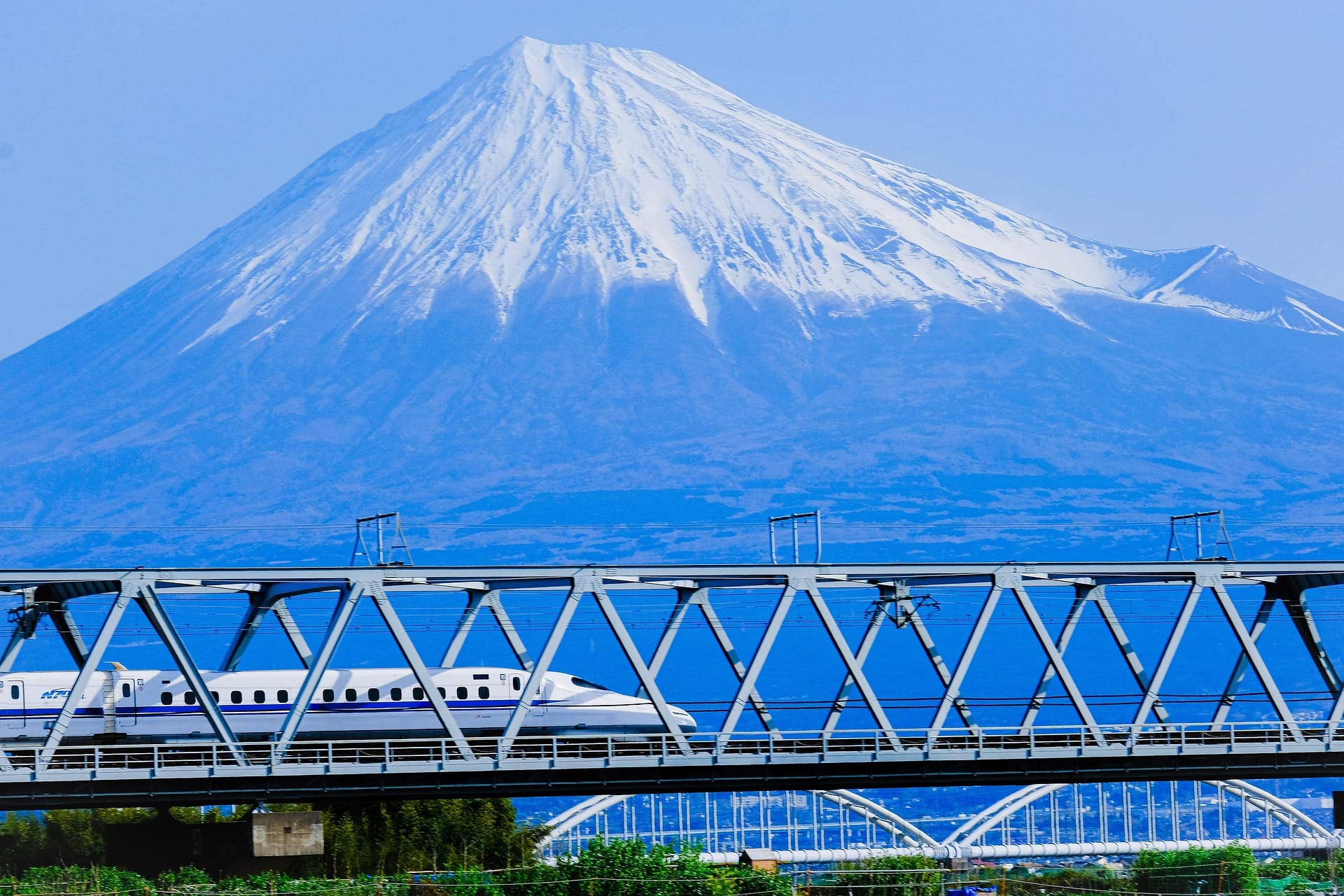
Shinkansen seats sell out. This is not an exaggeration. On certain lines like the Tokaido and Sanyo Shinkansen, trains run with reserved seating only during peak Obon days. This means that there will be no non-reserved cars to fall back on.
TOMOGO! tip: Reserve your seats weeks in advance, and book luggage storage if needed.
Popular sights get crowded. This is the reality of visiting Japan at any peak period.
TOMOGO! tip: Build extra time into your schedule, make restaurant reservations well in advance, and accept that some queues will be longer than usual.
Some local shops may close. Whilst chain restaurants and major facilities generally stay open, individually-run restaurants and smaller local businesses sometimes shut for Obon.
TOMOGO! tip: If there's a specific local spot you have your heart set on, check ahead.
Good to Know: Obon Customs and Etiquette
Obon is a sacred time, and while travelers are absolutely welcome to observe and participate in public festivals, a few cultural notes are worth keeping in mind:
- At bon odori festivals, you're usually welcome to join the dance. Watch a few rounds first, follow the person in front of you, and enjoy it. Nobody expects perfection from a first-timer.
- As always, grave sites and temples call for a respectful, quiet presence. During Obon especially, you may find families in the middle of deeply personal rituals.
- Some regions have traditional beliefs around certain behaviors during Obon. Rivers and the sea, for example, are considered connected to the spirit world, so swimming is avoided even if gathering by the water for ceremonies like toro nagashi is not. Refraining from loud noise late at night is another common custom. These vary by area, so if in doubt, follow the cues of locals.
FAQs we get about Obon
When is Obon in Japan in 2026?
The core Obon period in 2026 is August 13–16. With Mountain Day on August 11 and optional days off on August 10 and 12, many Japanese workers will have a stretch of up to nine consecutive days off beginning August 8.
Is Obon a public holiday?
No, Obon is not an official national public holiday. However, Mountain Day (August 11) is, and most businesses give employees time off during the Obon period which means it can get pretty busy for travel.
Is it a good or bad time to travel in Japan during Obon?
If we’re being completely honest, it's a bit of both. Obon is one of Japan's most culturally rich periods, with festivals, lantern ceremonies, and an otherworldly atmosphere. But it is also one of the busiest travel seasons in Japan. Book your accommodation, transport, and any tour reservations well in advance, and you'll be able to enjoy it rather than battle it.
Can tourists participate in bon odori?
Absolutely. Bon odori festivals are community events, and first-timers are always welcome. The dances are intentionally simple to learn. Wear comfortable clothes, follow along with the crowd, and you'll be fine.
What should travelers avoid doing during Obon?
Cultural practices vary by region, but in general: keep noise levels respectful at sacred sites, be thoughtful around rivers and ocean spaces, and always follow the lead of locals at ceremonies and graves. Common sense and basic respect cover most of it.
Why do people pour water over gravestones during Obon?
There are a number of reasons why water is poured over gravestones in Japan. The most symbolic reason is to quench the dead of their thirst. This links back to the story of Mokuren and releasing his mother from the realm of hungry spirits. Another reason is to simply clean the gravestone. Removing dust and grit from the stone acts like a “bath” for the spirits of the deceased.
What is a yukata and do I need to wear one to attend a bon odori festival?
A yukata is a lightweight cotton kimono usually worn in summer. Whilst you do not need to wear one during a bon odori event, it is a great way to participate in the spirit of the occasion. If you do want to try one, many areas have rental shops where you can have a professional match you with the perfect yukata.
Can I write a message on a toro nagashi lantern?
At most toro nagashi events, yes. Lanterns are typically available to purchase on the night, and writing a message or the name of a loved one on yours before setting it adrift is very much part of the tradition.
Is it disrespectful to take photos at Obon events?
At public festivals like bon odori and toro nagashi, photography is generally fine. At gravesites and private family rituals, use your judgment. As a general rule, if you’d feel uncomfortable taking a photo back home, the same applies in Japan.
Experience Obon the Right Way
Japan in summer is festival season, and Obon is just one of many events that are worth checking out. Neighborhood matsuri, fireworks on the river, lantern ceremonies, street food and taiko drums. There is so much to see and experience.
A TOMOGO! local expert makes sure you won’t miss a moment of it. Where to be, when to be there, and what it all means when you arrive.
Book a day tour with TOMOGO! and never leave a festival wondering what you just witnessed.

Put the Guidebook Down and Come With Us!
Join a TOMOGO! local tour and explore neighborhoods, culture, and everyday gems with our friendly tour leaders.