
Japan in October vs November: Which Month Should You Visit?
So, you've decided to visit Japan in fall.
Good choice.
Now you've got another decision to make: October or November?
On paper, there isn't much between them. Move your trip by a few weeks and you're still traveling in autumn, still avoiding the worst of Japan's summer heat, and still arriving in time for plenty of seasonal food, festivals and changing leaves.
But those few weeks can make a surprisingly big difference.
Come in October and most of Japan is still easing its way into autumn. The days are warmer, the festival calendar is busy, Halloween is around the corner, and some of the country's best autumn colors are already appearing further north and in the mountains.
By November, autumn has moved considerably further south. Jackets start coming out, red maples and golden ginkgo become easier to find around Japan's major cities, and some of the country's most famous gardens, temples and parks enter their busiest season.
So, is October or November better for visiting Japan?
The answer depends entirely on the trip you want to have.
October vs November in Japan: At a Glance
If you're short on time, start here. The gap between October and November isn't dramatic on paper, but it stacks up: a few degrees, an hour of daylight, and a few hundred kilometers of autumn color.
| October | November | |
|---|---|---|
| Weather | Mild, with some warmer days | Cooler and crisper |
| Autumn Leaves | Best further north and at higher elevations | Reached many tourist destinations, Kansai last |
| Tokyo & Kyoto Foliage | Too early for peak color | Much better timing, Kyoto often into December |
| Festivals & Events | Traditional street festivals | Foliage illuminations |
| Outdoor exploration | Great for long days on foot | Cooler, but still comfortable |
| Packing | Light layers and a jacket | Warmer layers and a proper jacket |
| Best for | Festivals, hiking and exploring | Foliage, gardens and classic autumn scenery |
Broadly speaking, October is the more flexible month and November is the more photogenic one. The rest of this post is about which of those matters more for the trip you have in mind.
Still deciding? Ueno works either way.
Park, temples, market streets, and a cluster of museums for the afternoons the weather turns. One of the few corners of Tokyo that gives you something in both months.
Weather: How Different Do October and November Actually Feel?
October sits in that comfortable middle ground between Japan's hot, humid summer and the cooler months ahead. You may still get afternoons warm enough for short sleeves, particularly earlier in the month and further south, while mornings and evenings tend to feel more like autumn.
For travelers, that makes October particularly easy to work with. You can spend your hours walking around Tokyo, cycle through the countryside, head into the mountains, or sit outside with a drink without having to think too much about the cold. The trade-off is that the weather can still be changeable, and early October can occasionally feel more like the tail end of summer than the autumn you pictured.
By November, there's less confusion about what season you're in.
Days are cooler, evenings get chilly, and a jacket becomes more useful than something you carry around "just in case." The upside is some seriously good walking weather. Exploring Tokyo or Kyoto on foot is very different when you're not battling summer heat and humidity, and the cooler air pairs rather nicely with the autumn scenery arriving across the country.
There is another difference worth considering: daylight. The further into autumn you travel, the earlier the sun goes down. Come November, you'll have less daylight to work with than you would in October, which can matter if your itinerary involves hiking, long day trips, or packing several outdoor stops into one day.
Neither month is difficult to pack for, but October gives you a little more flexibility, while November asks you to commit to autumn properly.
For actual temperatures, rainfall and packing advice, take a look at our complete guides to weather in Japan in October and weather in Japan in November.
Autumn Leaves: October vs November
If autumn leaves are a big reason for your trip, November might seem like the obvious choice.
But October isn't too early. You just need to know where to look.
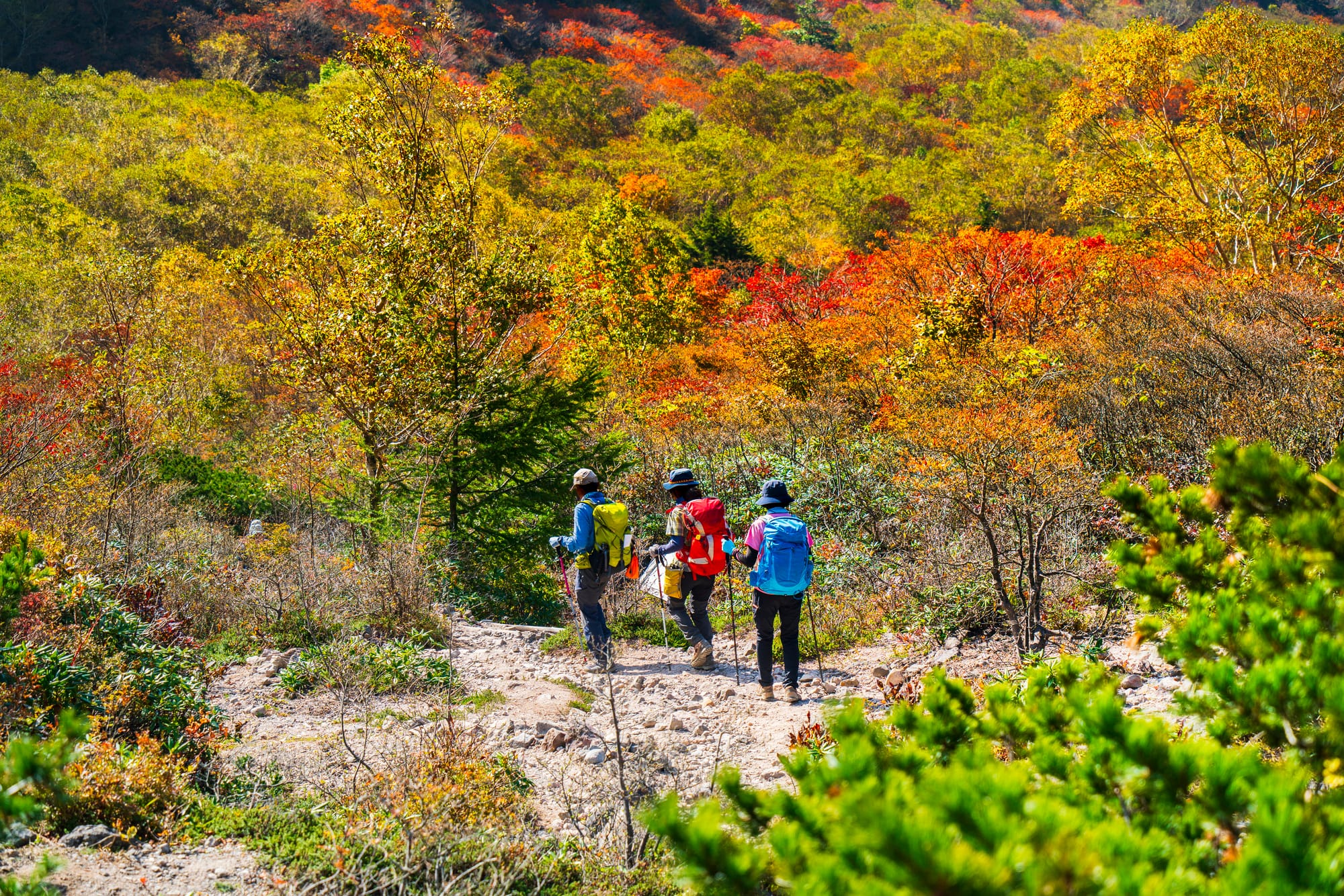
October: Hunt for autumn
Japan's autumn colors don't arrive everywhere at once. They start in the cooler north and at higher elevations before gradually working their way south and into the major cities.
That means October can be a fantastic month for autumn leaves if you're willing to build your itinerary around them. Hokkaido and parts of Tohoku are already well into the season, while mountainous areas further south begin changing before the cities below them.
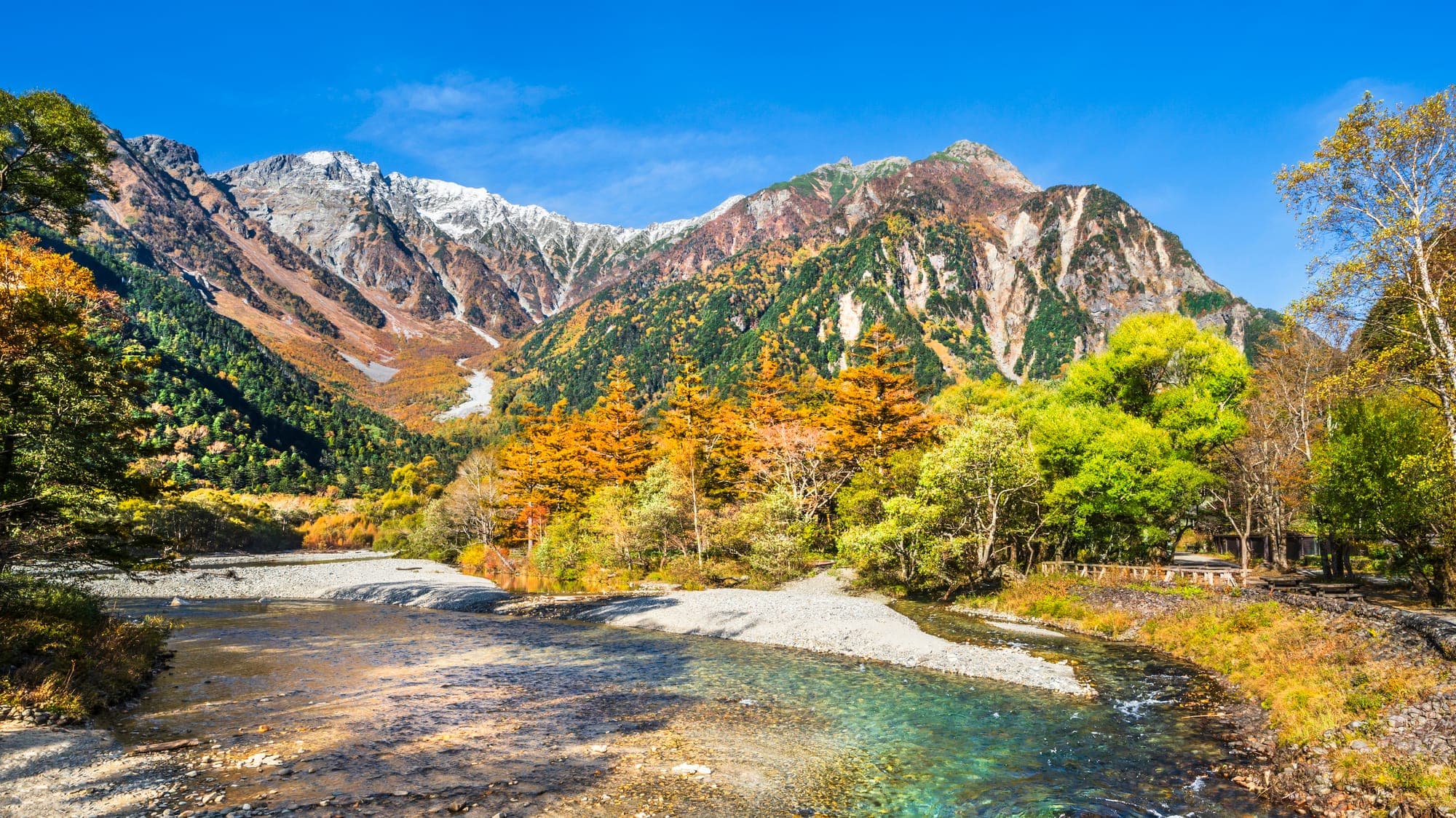
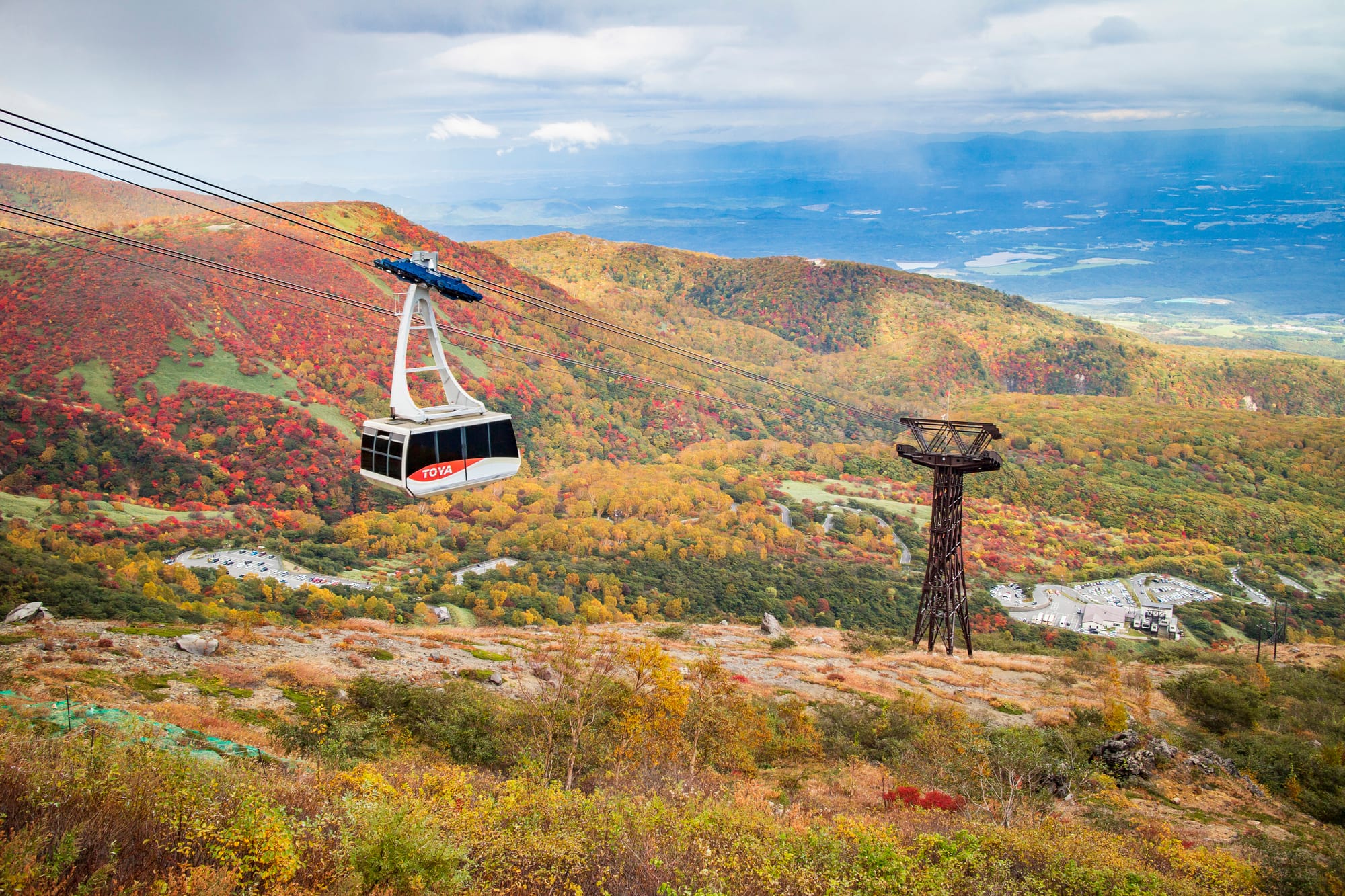
Kamikochi in the Japanese Alps is a perfect example. October brings some of the valley's best autumn scenery, with changing leaves set against the surrounding mountains. Wait too long, though, and you can miss more than the colors. Kamikochi closes for winter on November 15 and doesn't reopen until spring. So if you want to visit the valley for the leaves, it's worth aiming for October.
If your itinerary is mostly Tokyo, Kyoto and Osaka, however, October is a little early for the autumn scenes you've seen in the photos. You might spot the first hints of color, particularly towards the end of the month, but peak foliage tends to come later.
So, if you're visiting Japan in October, don't wait for autumn to come to you. Head north, head higher, and hunt for it.
November: Autumn comes to you
November is where it gets easier.
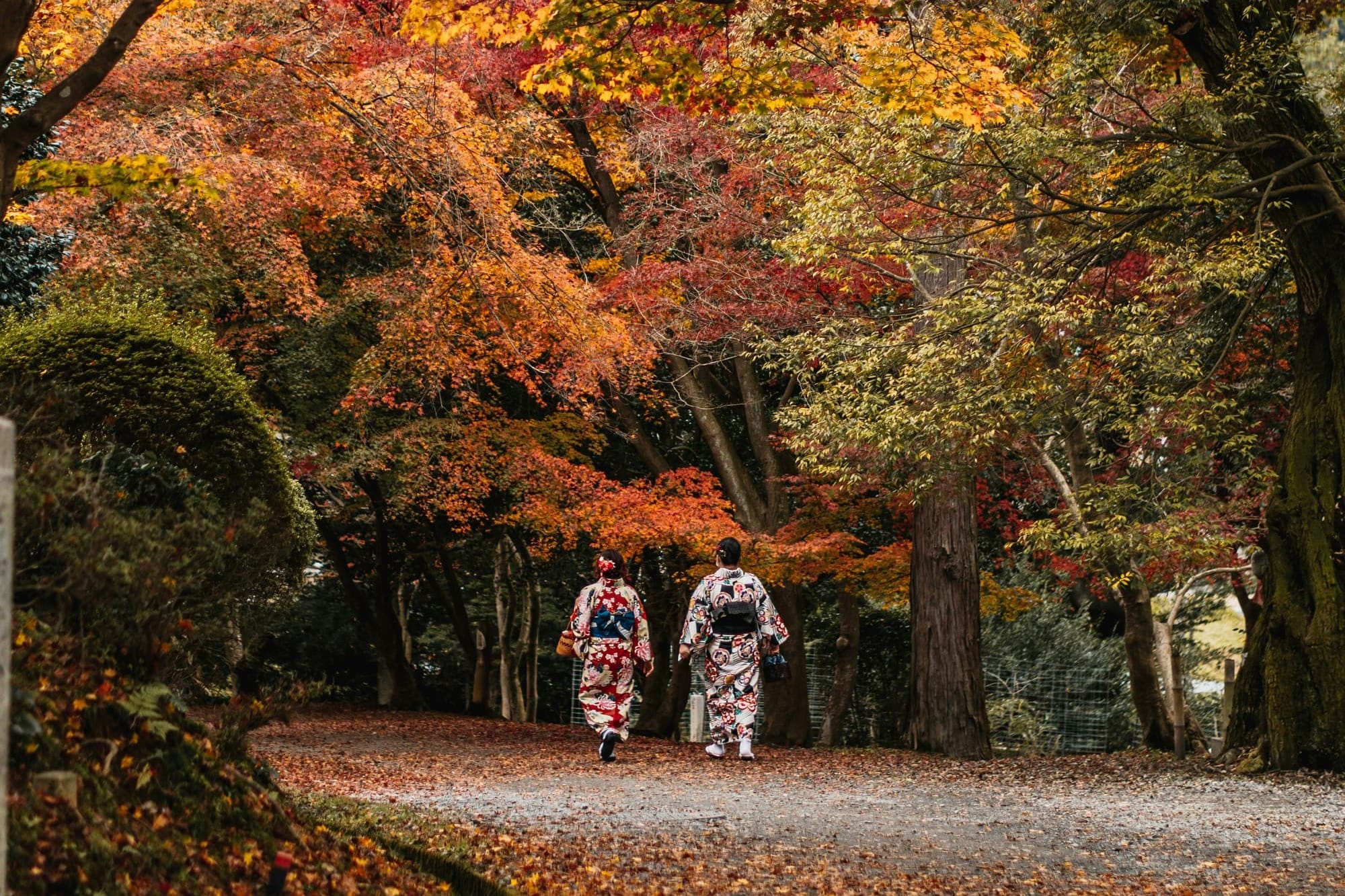
The wave of autumn color has moved further south and into lower elevations, bringing it closer to many of the places international travelers are already likely to visit.
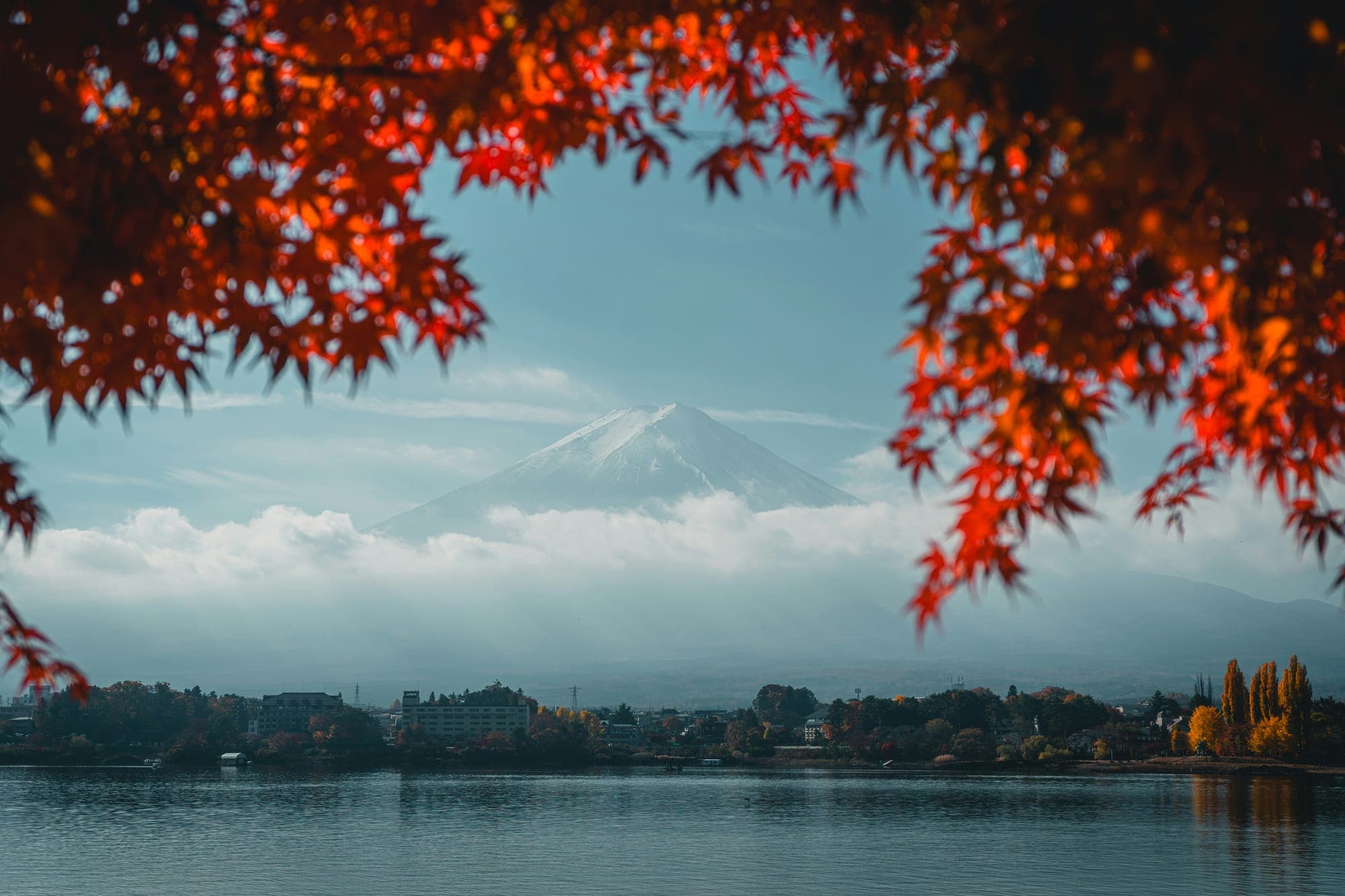
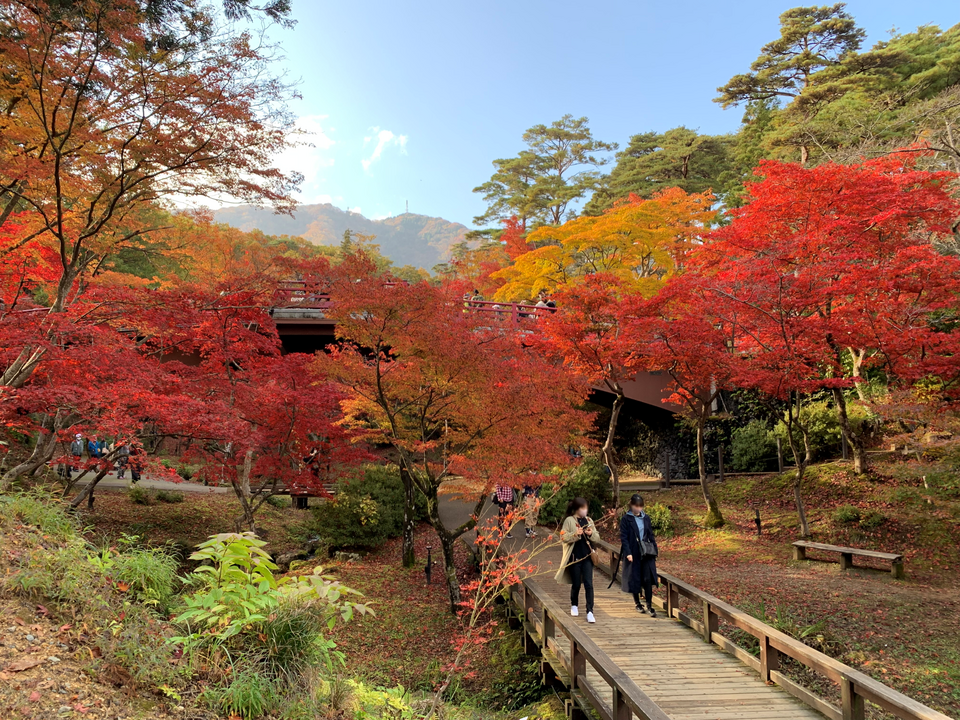
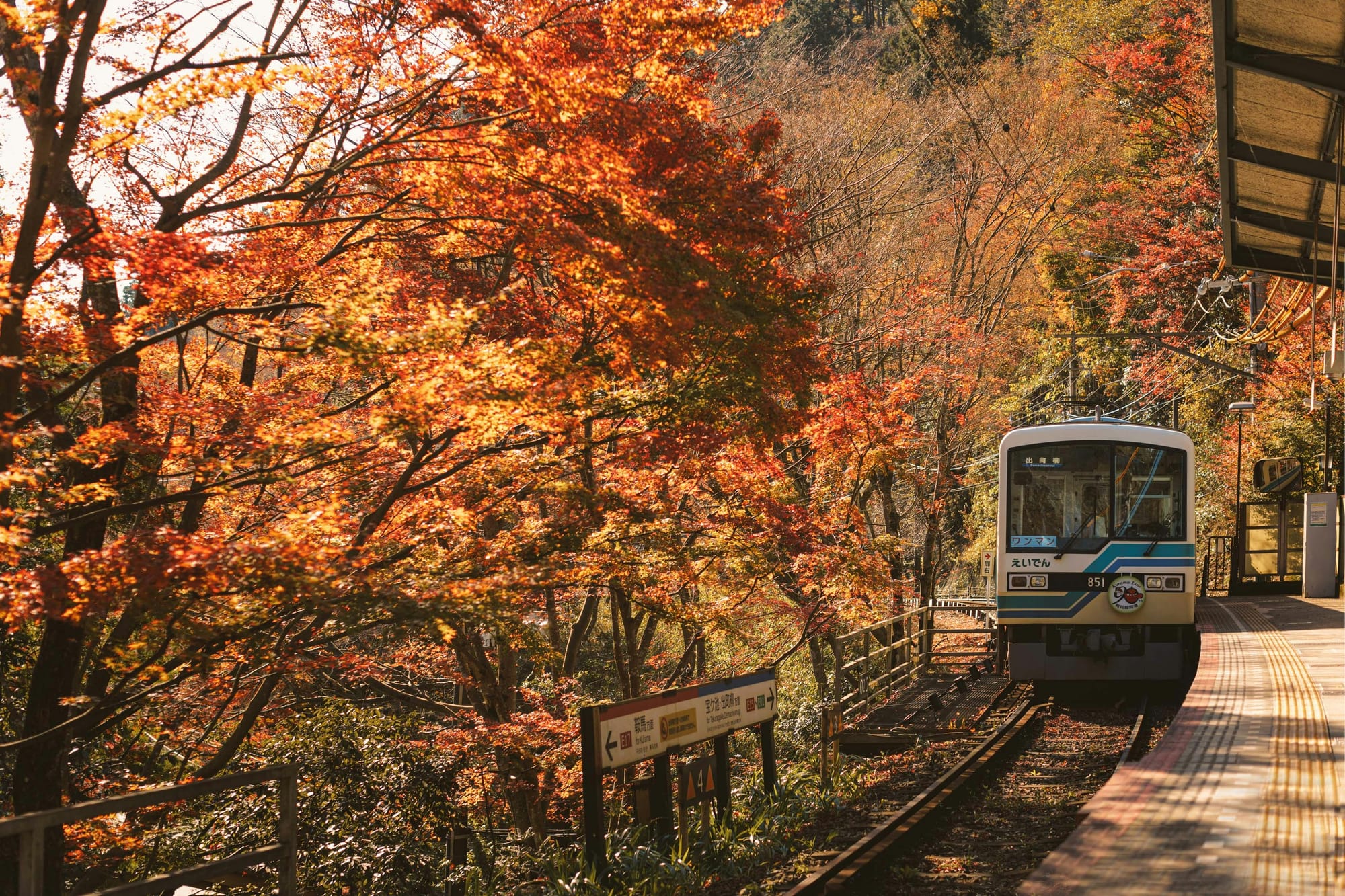
Tokyo's parks and gardens begin changing, red and orange maples build around Kyoto's temples, and autumn colors spread across destinations around Osaka and Nara. You can still travel specifically for foliage, but you're less likely to have to rearrange your entire route to find it.
That convenience comes with a catch.
You won't be the only person looking.
Famous autumn-leaf spots can get extremely busy as they approach peak color, particularly in Kyoto. And because the timing shifts slightly each year with the weather, booking a specific week never guarantees every tree will be cooperating when you arrive. It also runs later than most people assume: on the 30-year averages, Tokyo's maples are fully turned around November 28, Osaka around December 1 and Kyoto around December 5.
If autumn colors are one of your biggest priorities, November is the easier month to work with.
For a deeper look at when autumn colors arrive around the country, check out our TOMOGO! Guide to autumn in Japan.
Festivals and Events: October Gets Louder, November Gets Prettier
Autumn in Japan isn't only about the leaves, and October is a great example of that.
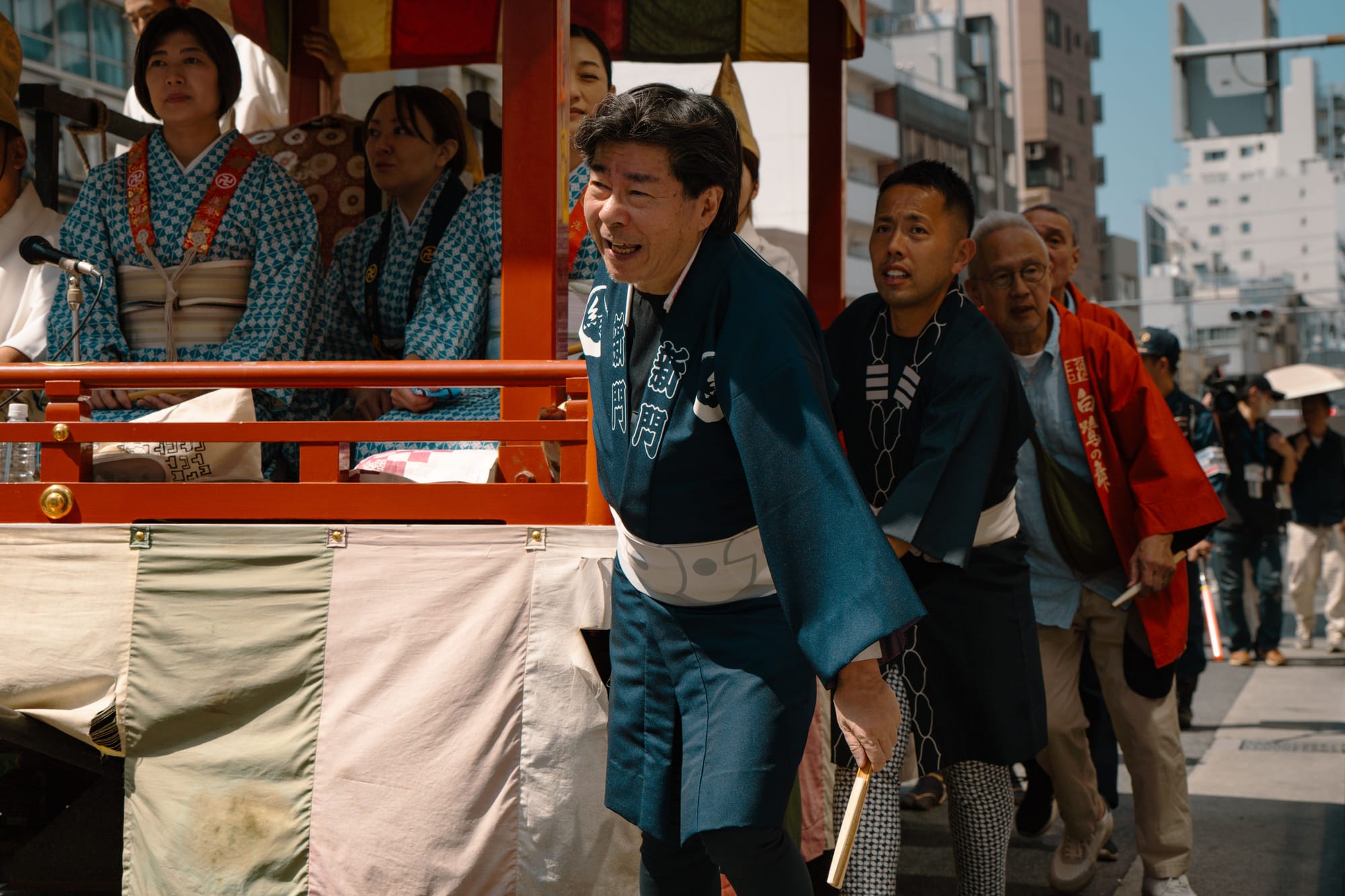
October is one of those months when it feels like something is always happening somewhere. Traditional matsuri fill streets with floats and crowds, while Halloween brings a different kind of energy at the end of the month.
Kyoto has the Jidai Matsuri, with a huge historical procession through the city. In Tokyo, the Oeshiki festival at Ikegami Honmonji fills the streets with glowing lanterns, while the nearby city of Kawagoe hosts one of the Kanto region's biggest float festivals. Head into Tokyo's Kagurazaka neighborhood and things get stranger still, with the annual Bakeneko Festival bringing a parade of costumed cat monsters to the streets.
October is a good choice if you like building a trip around things that happen on a specific day. You might stumble across a small neighborhood matsuri by accident, but for the bigger events, checking the calendar before you arrive can completely change your itinerary.
November is a different story, and is all about slowing things down.
November still has plenty happening, but the character of the season starts to shift.
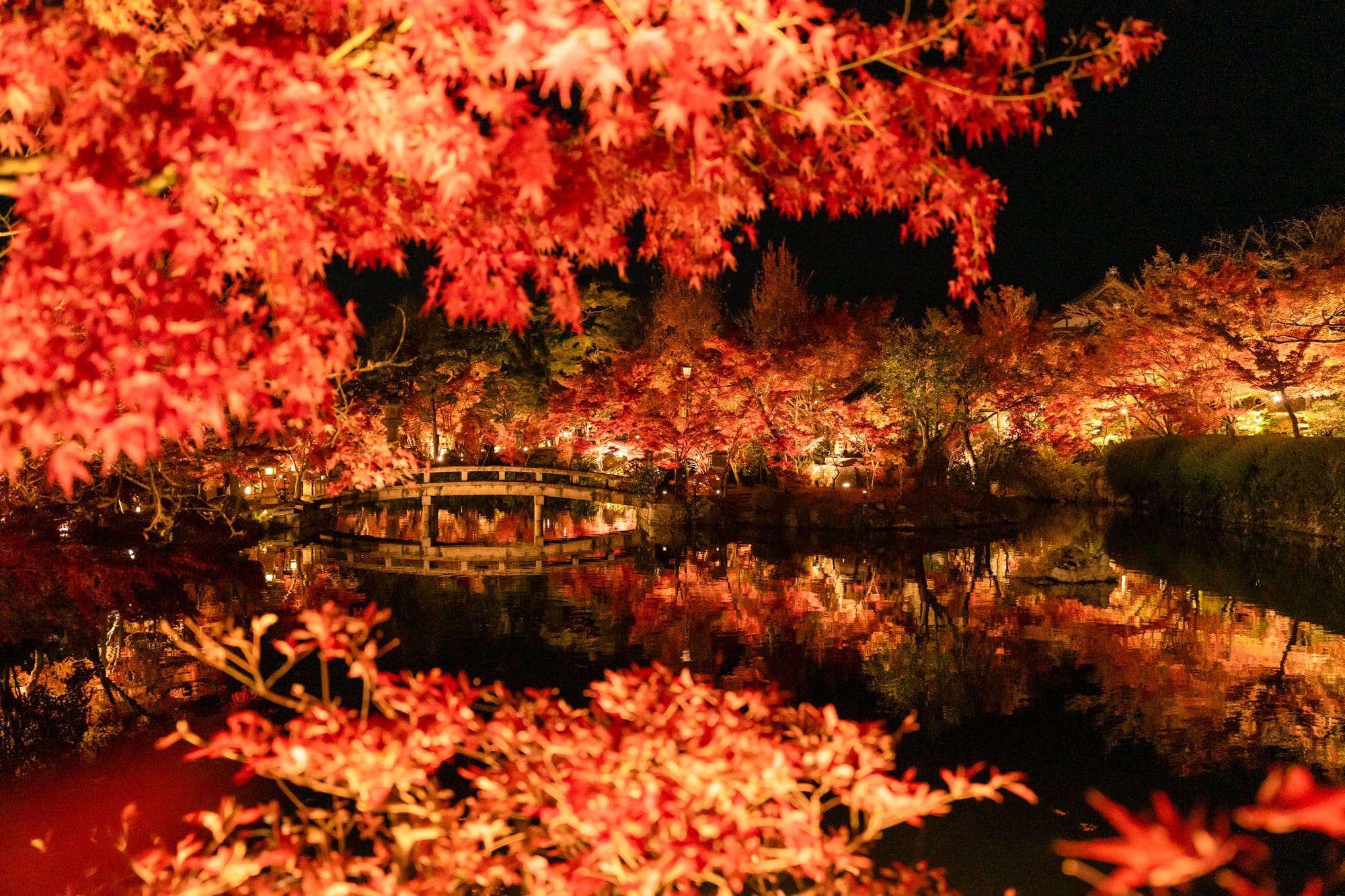
As the leaves reach more of central Japan, parks, gardens and temple grounds become the main event. Some famous autumn-viewing spots extend their opening hours or hold evening illuminations, giving you the chance to see the leaves after dark.
There are traditional events too, of course. November 3 is Culture Day, a national holiday with events held around the country, while November 15 is associated with Shichi-Go-San, when families traditionally celebrate children aged three, five and seven. Visit a shrine around this time and you may see families arriving with children dressed in kimono for the occasion.
So if your idea of autumn is filled with quieter traditions and a garden at dusk with the maples lit up, November starts to pull ahead.
Take autumn beyond Tokyo
Festival or no festival, Kawagoe is worth the trip. Edo-era warehouses, back alleys and street food, with a Local Expert who knows the streets behind the main one.
October or November? It Depends on Where You're Going
There's one more thing before choosing between October and November: where you're actually going.
Japan stretches a long way from north to south, and the experience of traveling in either month can change considerably depending on your route. The better choice for a trip through Tokyo, Kyoto and Osaka won't necessarily be the better choice for Hokkaido, Tohoku or the Japanese Alps.
So, let's break it down by region.
| Destination | October | November | |
|---|---|---|---|
| Tokyo | Despite being the wettest month of the year for Tokyo, mild temperatures make it a great month for getting around on foot, with a busy calendar of festivals and events. Most major foliage spots are still waiting for their autumn colors. | Cooler walking weather, autumn colors later in the month, and seasonal illuminations beginning to appear. | |
| Kyoto | Comfortable sightseeing weather and major events including the Jidai Matsuri. Still early for the city’s most famous autumn colors. | Cooler days, the start of major autumn foliage, temple illuminations and one of the city’s most popular seasonal sightseeing periods. | |
| Osaka & Nara | Good weather for long days outside, festivals and covering ground in both cities on foot. Autumn colors are still developing. | Cooler sightseeing weather with autumn colors becoming easier to find in parks, temple grounds and surrounding mountains. | |
| Hokkaido & Tohoku | A very different autumn from the major cities further south, with cooler temperatures and foliage already well underway in many areas. | Temperatures fall considerably and some northern or higher areas begin transitioning towards winter, including the possibility of early snow. | |
| Japanese Alps | Strong hiking and mountain-foliage territory, with Kamikochi among the October highlights. | Conditions become colder and access to some mountain destinations begins shutting down for winter. Kamikochi closes for the season on November 15. |
Still chasing color in late November?
Kamakura's temple valleys hold their color late, and the trails between them stay walkable long after the mountain routes have closed for winter. Roughly an hour from Tokyo.
All That's Left Now Is to Choose
By now, you've probably worked out that there isn't one right answer.
October and November sit side by side on the calendar, but they can give you two quite different trips. The better month is the one that lines up with what you actually want to do while you're here.
Choose October if you want...
- Warmer days
- A busy calendar of festivals and events
- Halloween in Japan
- Higher-altitude hiking before winter starts closing mountain routes.
- Autumn colors in Hokkaido, Tohoku and high elevations
- More reason to venture beyond the usual golden route (Tokyo, Kyoto and Osaka)
Choose November if you want...
- Postcard autumn photo opportunities
- Cooler, crisper weather
- Autumn colors without having to travel far to find them
- Tokyo, Kyoto, Osaka and Nara moving into full autumn
- Lower-elevation hikes surrounded by autumn scenery
- Temple, park and garden visits with leaves
- Evening foliage illuminations
And if both sound good?
There's no rule saying you have to choose. A trip beginning in late October and running into early November can give you a taste of both. Japan's autumn stretches across three months, September through November, so no matter which side of the calendar you land on, there'll always be something worth visiting.
What a calendar can't tell you is how far south the color has reached by your dates, whether the mountain routes are still open, or which of the two months your particular route actually favors. That's the part our Local Experts already know.

The month is decided. The route isn't.
Every TOMOGO! tour is private and led by a Local Expert who actually lives here, so the days inside your month are someone else's problem to solve. Autumn dates go early, particularly around peak color.
FAQs We Get Asked About Visiting Japan in October vs November
Is October or November better for visiting Japan?
Neither month is better across the board. October offers warmer weather, a busy festival calendar and better access to autumn scenery further north and at higher elevations. November brings cooler weather and autumn colors to many popular destinations, including Tokyo and Kyoto. The better choice depends on where you’re going and what you want to do.
Is October a good time to visit Japan?
Yes, and it's one of the easiest months of the year to travel in. Afternoons are mild, the festival calendar is busy, and autumn color is already well underway in Hokkaido, Tohoku and the mountains. The one caveat is that Tokyo, Kyoto and Osaka are still waiting for their maples.
Is November a good time to visit Japan?
Yes, particularly if autumn leaves are a reason you're coming. Color reaches Tokyo, Kyoto, Osaka and Nara through the month, gardens hold evening illuminations, and the walking weather is excellent. Expect crowds at the famous foliage spots, and note that Kyoto often peaks in early December.
Is Japan warmer in October or November?
October is warmer, and by a wider margin than most people expect. Tokyo averages 18.0°C (64°F) in October against 12.5°C (54°F) in November, and the gap widens the further north you go. Both guides break it down by region: weather in Japan in October and weather in Japan in November.
Is October too early for fall foliage in Japan?
Not at all. Autumn colors are already appearing across Hokkaido, Tohoku and higher elevations during October. However, October is too early for peak foliage in cities such as Tokyo and Kyoto.
Is November too late for fall foliage in Japan?
It depends where you go. November is one of the main autumn foliage periods across much of central Japan. Further north and at higher elevations, however, peak colors may have already passed by November.
Tokyo's maples average full color around November 28, and Kyoto and Osaka often run into early December, so late November is well timed rather than late.
Is October or November better for Tokyo?
October is a great choice for mild weather, outdoor walking and seasonal events. November is the stronger choice if seeing Tokyo’s autumn leaves is a priority. If foliage isn’t the deciding factor, both months are excellent times to explore the city.
Is October or November better for Kyoto?
October offers comfortable sightseeing weather and major events such as the Jidai Matsuri. November is better known for Kyoto’s autumn foliage, when many temples and gardens become popular seasonal viewing spots. That also means November can bring larger crowds to famous foliage destinations.
Something worth paying attention to: Kyoto's maples average full color around December 5, so late November catches the season building rather than finished.