

Comiket, Japan’s Massive (Fan-Made) Comic Market: The Ultimate Guide
Twice a year, hundreds of thousands of otaku (geeks) from Japan and beyond converge at the Tokyo Big Sight convention center for the world’s largest fan convention: Comic Market, better known as “Comiket” for short. Completely grassroots, as it is run for fans by fans, Comiket is typically held twice a year: in mid-August for summer and late December for winter.
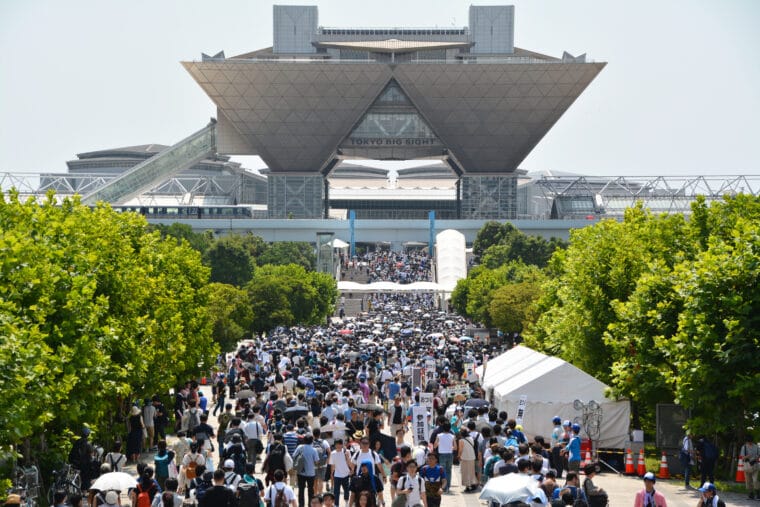
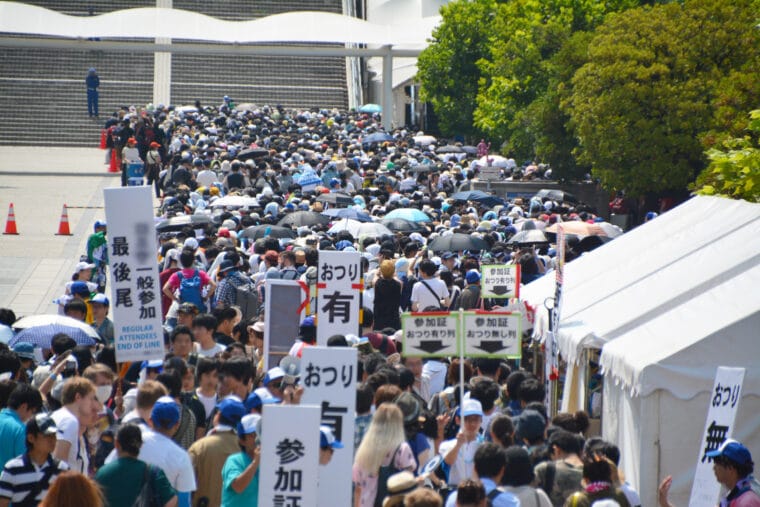
From only 700 attendees at its inaugural event in 1975, Comiket has grown significantly, gathering as many as 750,000 attendees total at its peak, when it was held for four days each in summer and winter 2019. With thick crowds and winding lines, its huge scale means that it’s not the kind of event you just wander into spontaneously, especially if you plan to do some shopping.
Prepare a game plan for Comiket with this guide to one of the world’s best-known geek events!
What are the 2026 Dates for Comiket?
For 2026, Comic Market 108 (Summer Comiket) will be held on August 15 and 16, while Comic Market 109 (Winter Comiket) will be held on December 29, 30, and 31. Comiket is held from 10:00 am to 4:00 pm each day, with corporate booths typically open until 5:00 pm.
Whether in the summer or winter, Comiket is held from 10:00 am to 4:00 pm each day.
How Much Does Comiket Cost? Ticket Types Explained
Comiket has not been free to attend since 2019. All attendees need either a ticket or a wristband, and prices vary depending on what time you want to get in.
| Ticket Type | Entry Time | Price | How to Buy |
|---|---|---|---|
| Early Entry | From 10:30 | ¥5,000 | Lottery, TicketPay |
| Cosplay Changing Room Early Entry | Changing 8:00/9:30, halls 11:00 | ¥3,000 | Lottery, TicketPay |
| AM Entry wristband | From 11:00 | ¥1,210 (store) / ¥1,331 (e-ticket) | Anime shops, eplus |
| PM Entry wristband | From 12:30 | ¥440 |
Source: comiket.co.jp/info-a/TAFO/C108TAFO/ticket.html, last updated June 19, 2026. Prices specific to C108, August 2026. Sale of wristbands and e-tickets begins July 11, 2026. Early Entry lottery applications run June 26 to July 6, 2026.
One child aged 15 or younger may enter free with one paying adult. All tickets and wristbands are sold per day, non-refundable, and non-transferable, with identity checks required for Early Entry tickets, passport or Japanese government issued photo ID only, no exceptions.
Need help navigating ticket types and the lottery system? First-timers often find the ticket system more confusing than the event itself. A TOMOGO! local expert who has been to Comiket before can help you decide which ticket actually makes sense for what you want to buy, and walk you through the booking process in English.
How to Get to Tokyo Big Sight
Comiket is held at Tokyo Big Sight in Ariake, Koto City. The two closest stations are:
• Kokusai-Tenjijo Station on the JR Rinkai Line
• Kokusai-Tenjijo-Seimon Station on the Yurikamome Line
Both stations are a short walk from the venue and are the standard routes used by the vast majority of attendees. If you are holding an e-ticket for an AM Entry wristband, exchange happens near the Rinkai Line station specifically, so plan your route accordingly.
Source: comiket.co.jp ticket pages and Magical Trip 2026 guide.
Where to Stay for Comiket
Odaiba: the closest area to Tokyo Big Sight, ideal if you want to minimize travel time, especially for Early Entry tickets that require arriving before 10:00 am.
Shinbashi: directly connected via the Yurikamome Line, with a wider range of hotels and easy access back into central Tokyo for the rest of your trip.
Tokyo Station or Hatchobori: slightly further out, but well connected to the Rinkai Line, and a good choice if you are combining Comiket with a broader Tokyo itinerary.
If Comiket is one stop on a longer Tokyo trip, pairing it with a day in Akihabara, Tokyo’s electronics and anime culture district, is a natural fit. Many Comiket attendees spend a day there before or after the event.
What to Check Out at Comiket
The two main things to check out at Comiket are doujinshi (self-published comics) and cosplay.
Doujinshi and Other Fan-Made Merchandise
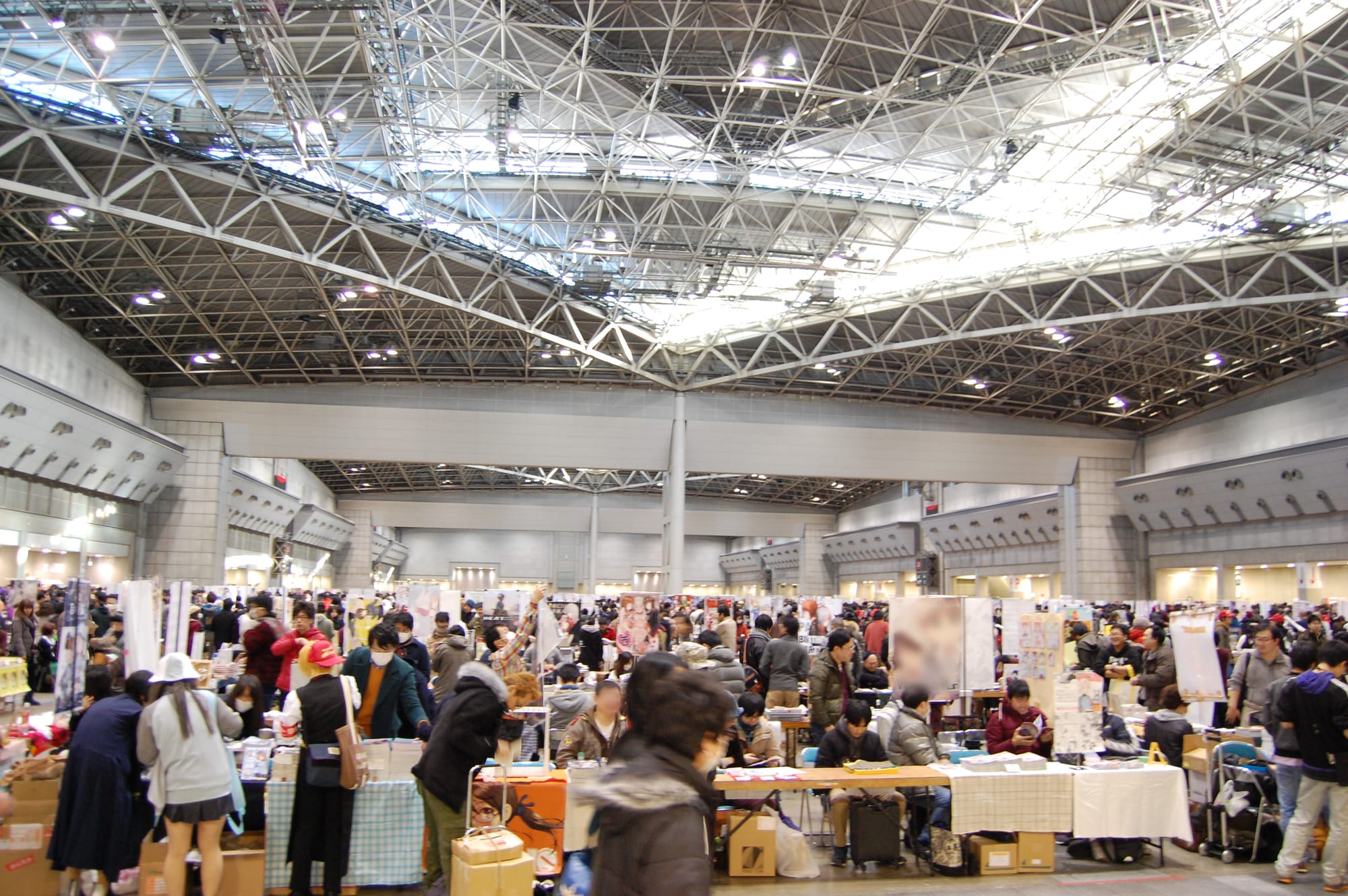
Comiket is primarily a market for non-commercial publications called doujinshi. These can be fan-made comics or other published material based on existing media franchises, but the term can also refer to original, self-published works.
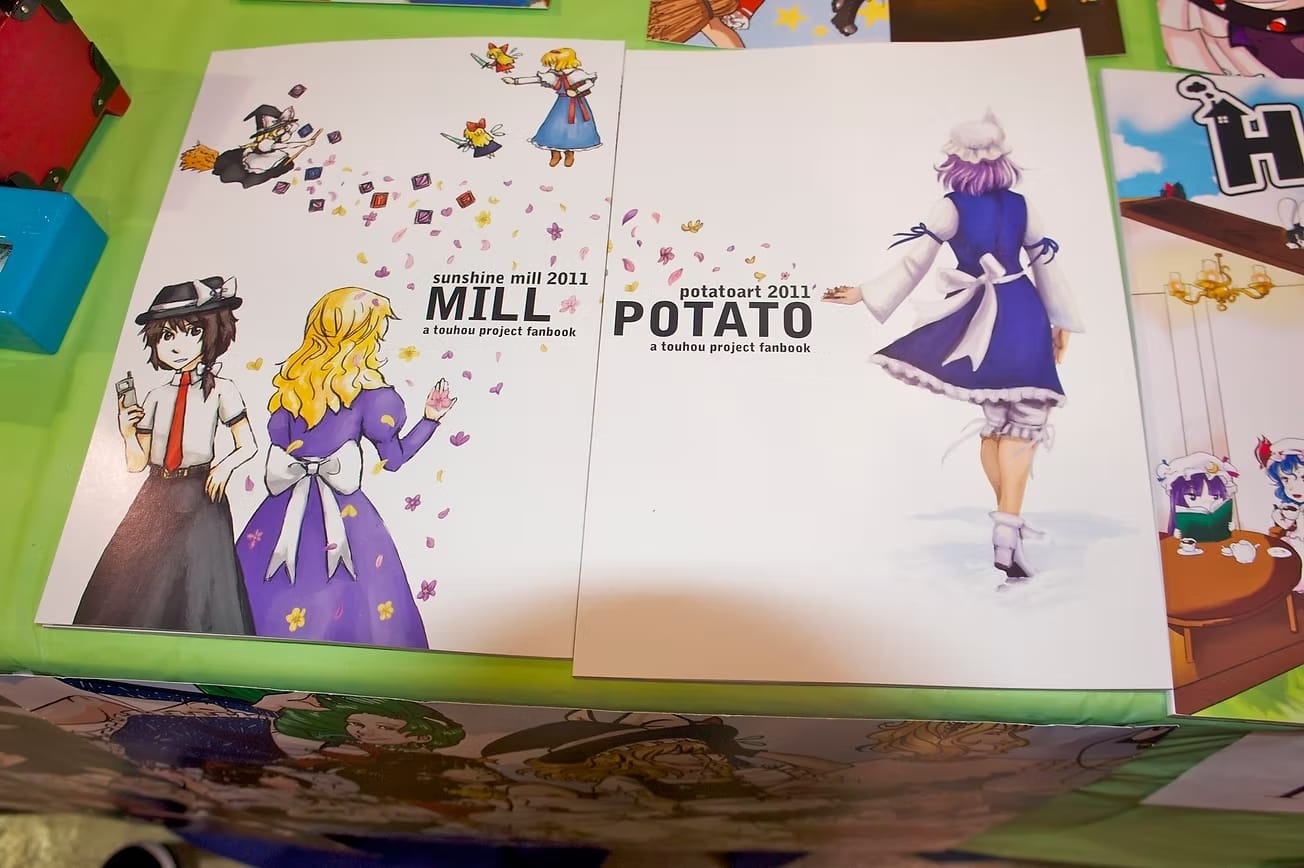
Put simply, in Japan, doujinshi that are derivative works exist in a legal gray zone. The Japanese entertainment industry tolerates the country's thriving doujinshi culture to an extent, only stepping in to enforce copyright law in rare cases when doujinshi creators act out of line.
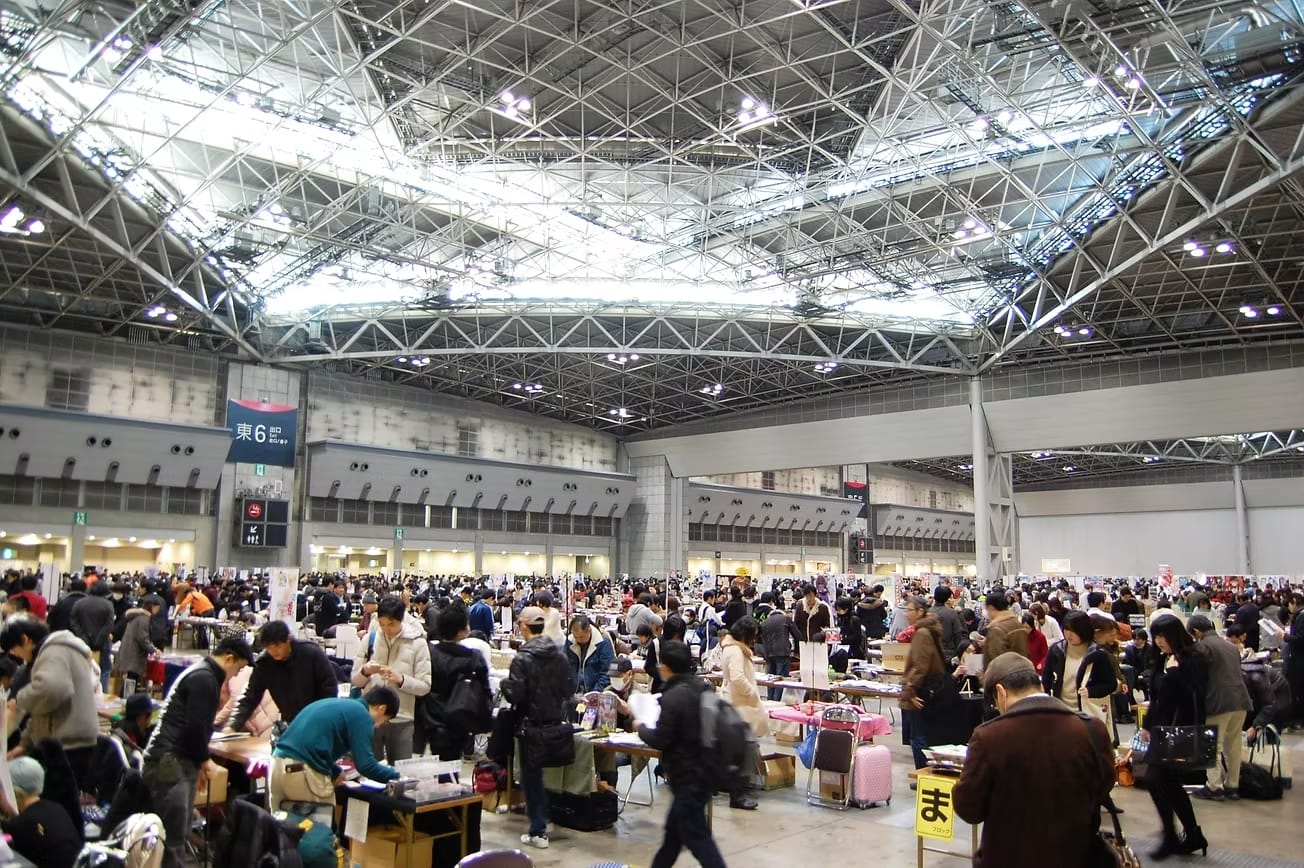
Doujin creator groups (which sometimes actually only consist of one person) are called circles, and on average, Comiket sees some 35,000 circles spread over multiple days. This means that the artist lineup at Comiket differs per day, and that the event represents a diverse range of fandoms: from anime to Western TV series—and even obscure and niche interests!
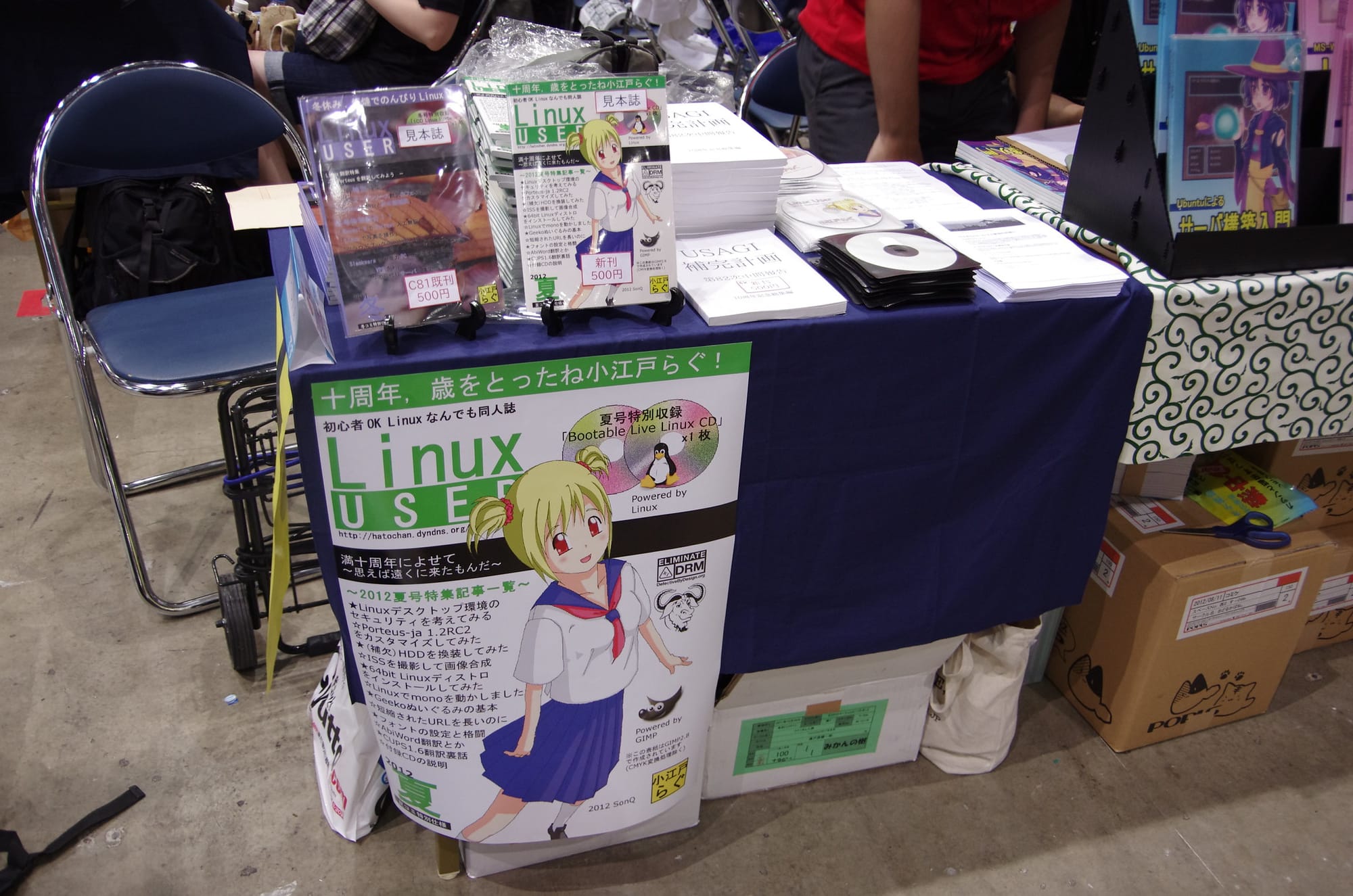
But doujinshi aren’t the only type of fan merchandise showcased at Comiket. You can also find prints, stickers, postcards, accessories, cosplay photo books, and more. Your imagination's the limit!
If the sheer scale of Comiket's doujinshi culture has you wanting to explore more of Tokyo's otaku scene at a slower pace, a guided walk through Nakano Broadway is a good next step. The multi-floor building is packed with vintage and rare collectibles, manga, and figures, and is considerably easier to navigate with someone who knows which floor has what.
Corporate Booths
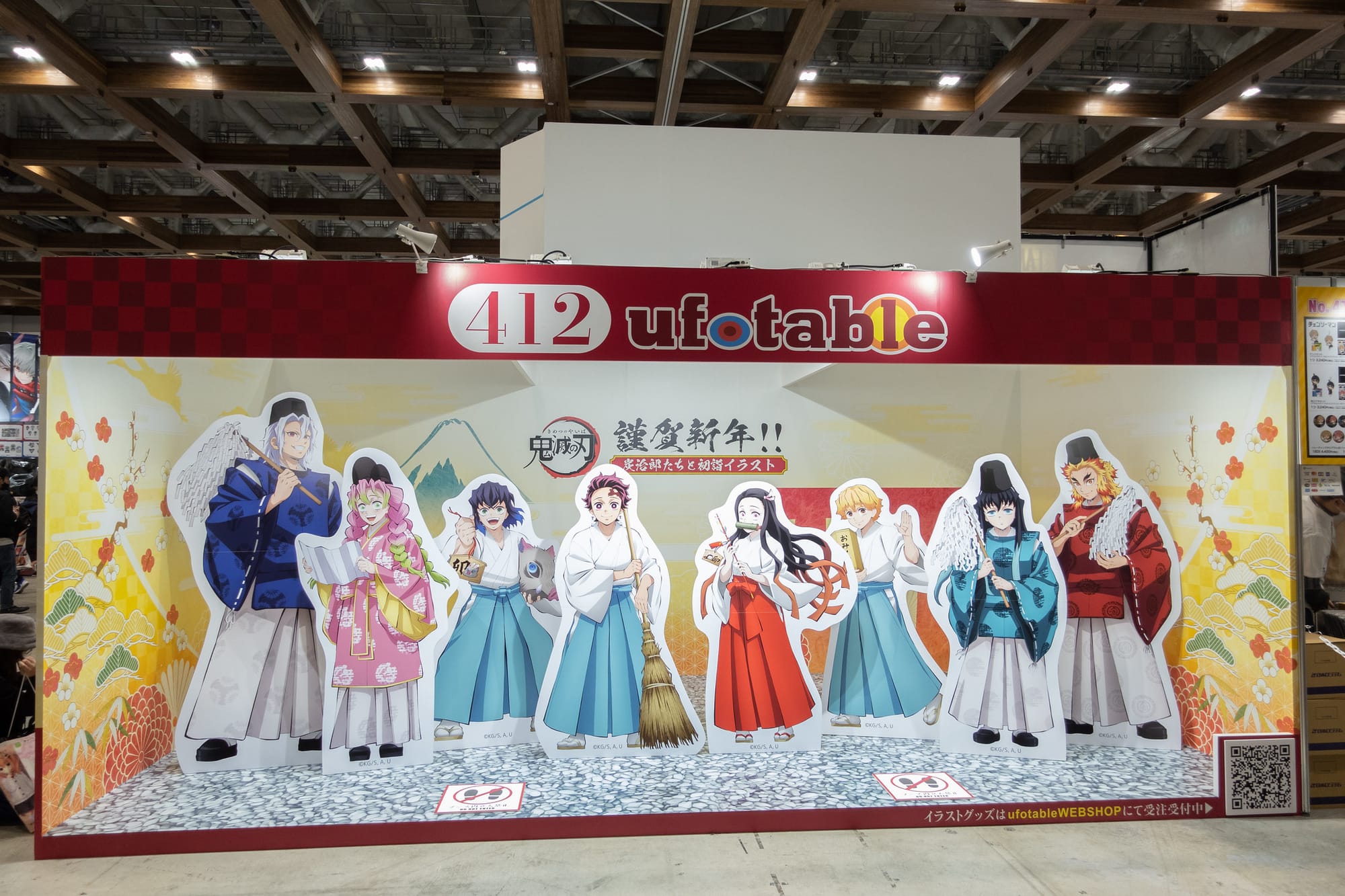
Comiket started out as exclusively offering fan-made merchandise, but since the late 1990s, Comiket has had a designated zone for corporate booths.
These are booths run by familiar names among otaku: anime studios, gaming companies, virtual YouTuber (VTuber) agencies, and more. They usually feature merchandise, exhibits, and/or special activities, such as panels and meet-and-greet sessions.
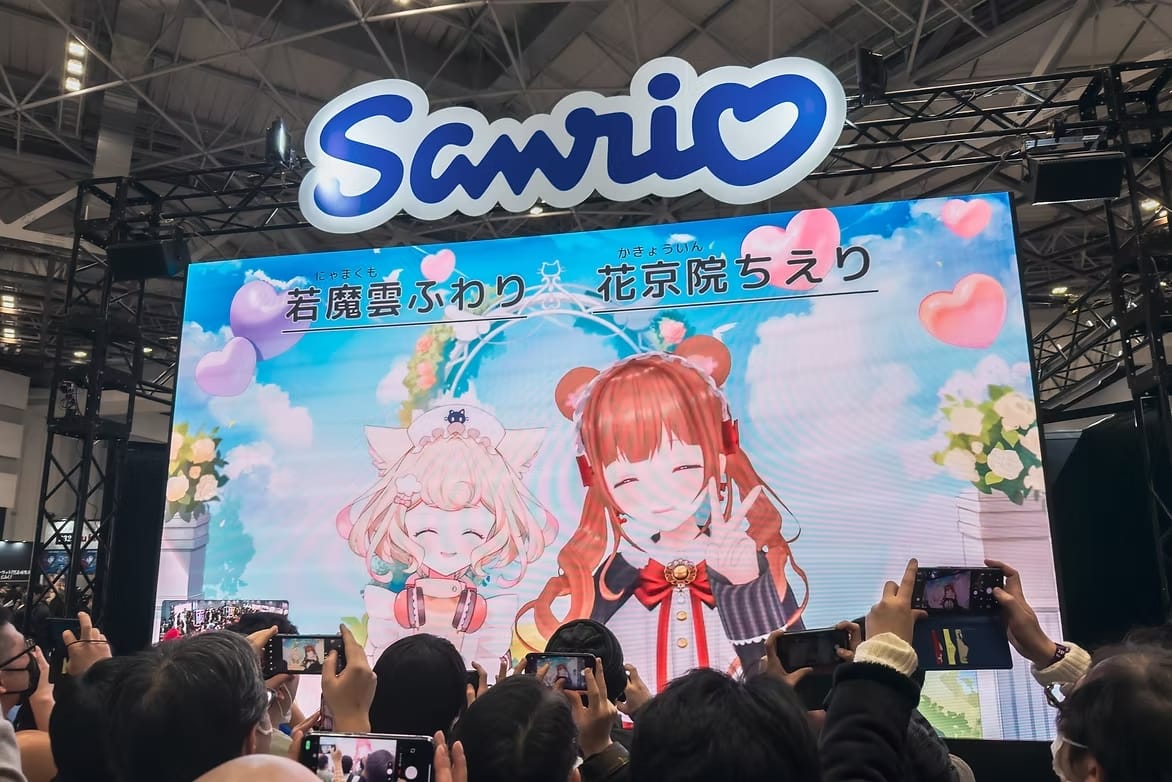
Some corporate booths offer Comiket-exclusive merchandise or debut new ones, giving Comiket attendees the opportunity to get their hands on them before the general public does.
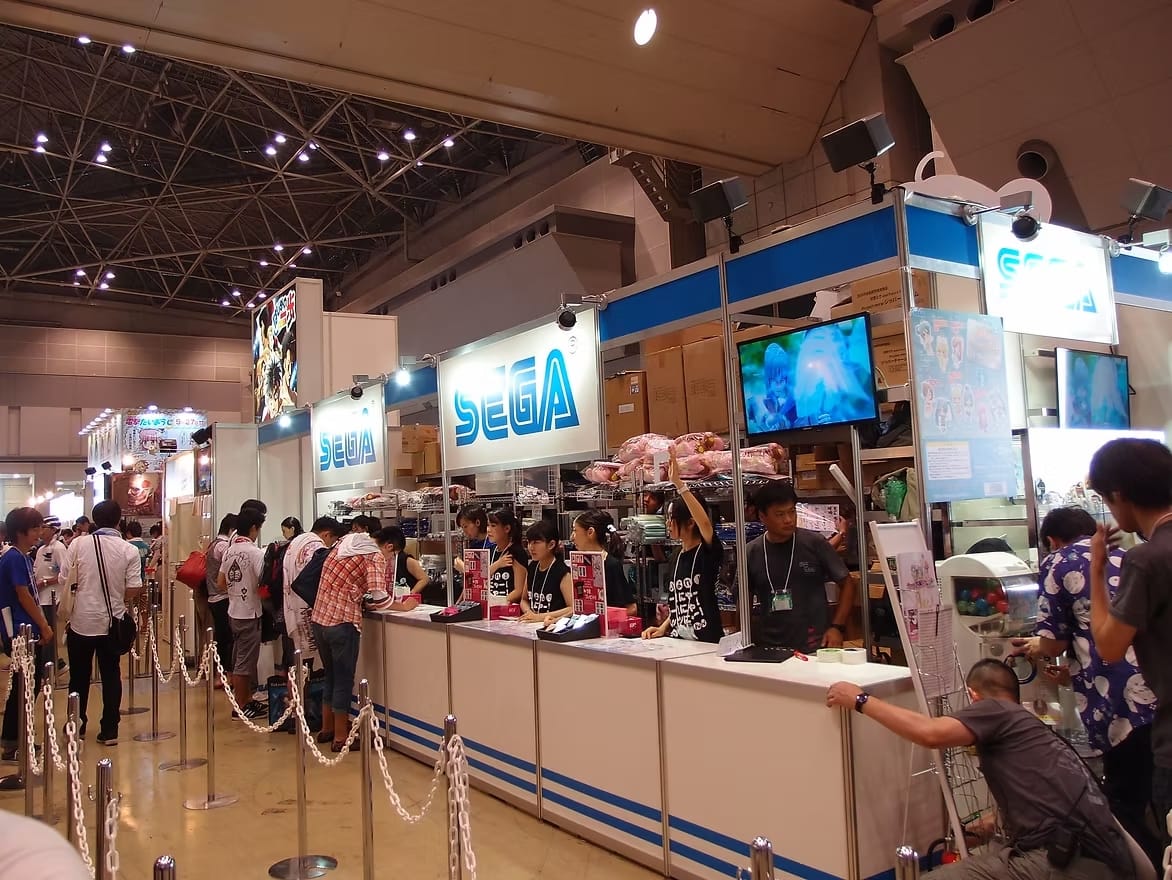
However, like popular doujinshi, these types of merchandise may sell out in no time. Depending on the exhibitor, you may have to arrive early to receive a numbered ticket, then return during your designated time slot (and hope that the items you want are still available by then).
Many of the same anime studios and companies exhibiting at Comiket have year-round flagship stores and themed cafes in Akihabara, Tokyo's electronics and otaku culture district. If you want to explore that scene outside the chaos of convention dates, our Akihabara guide covers the shops, arcades, and hidden spots worth a visit.
Cosplayers Galore
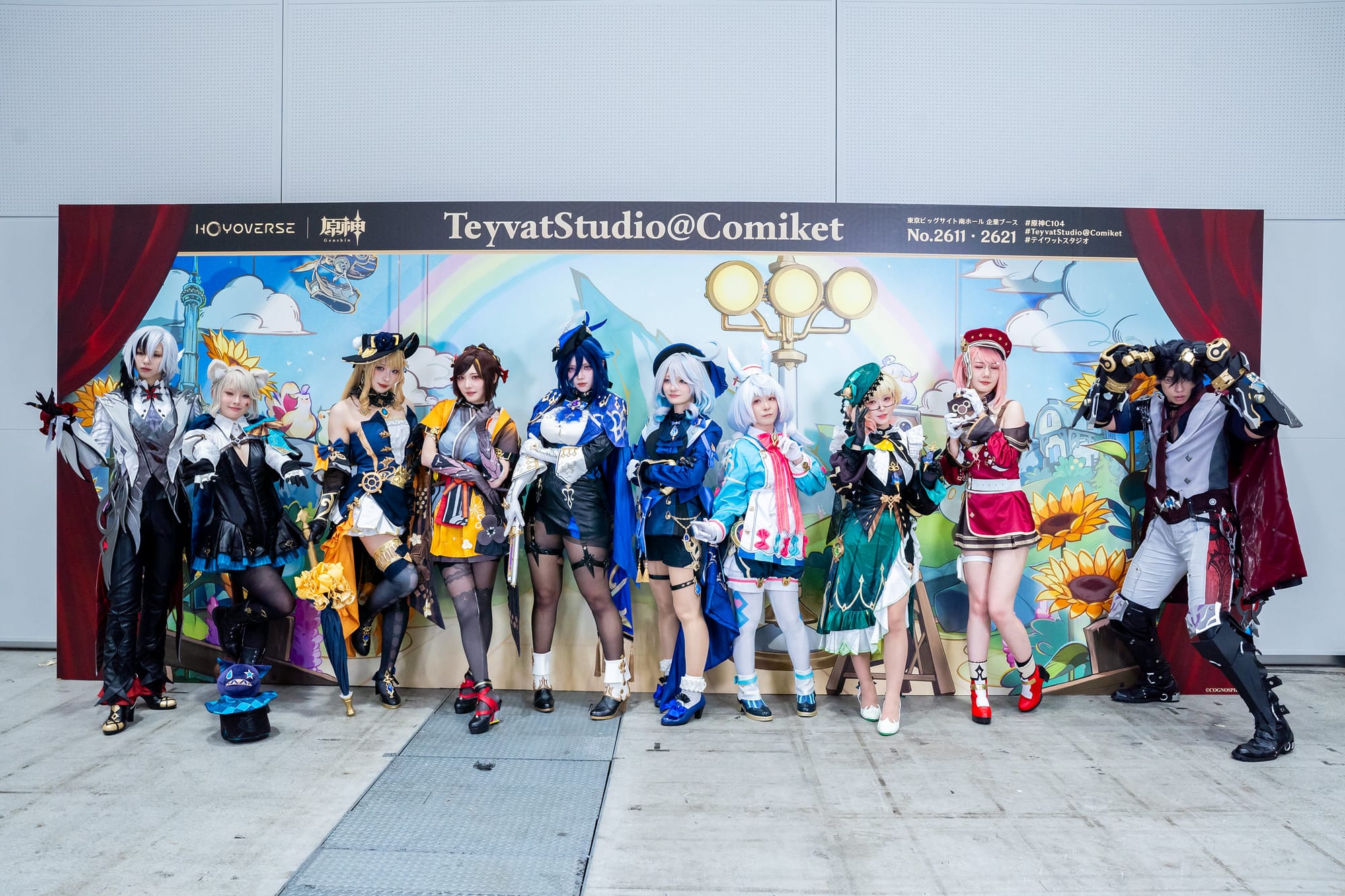
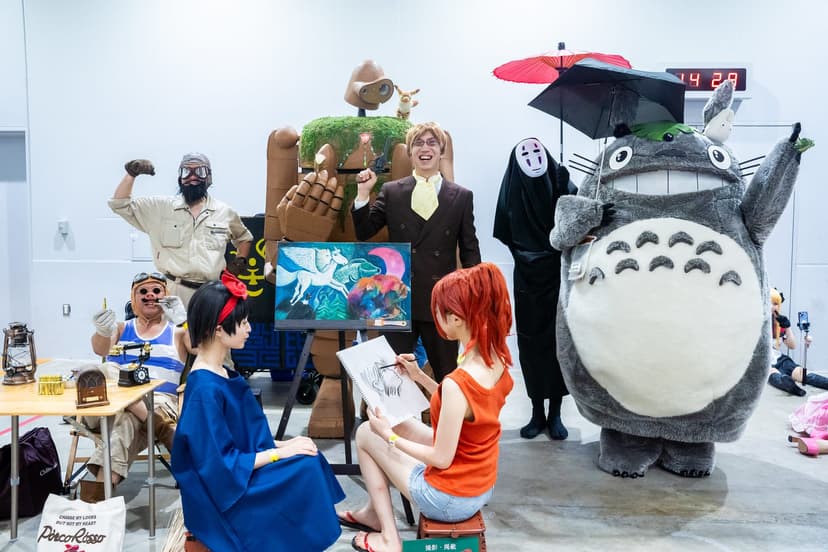
What is Comiket without its cosplayers? At each iteration of this event, throngs of cosplayers wow the crowd with their stunning and creative costumes.
A mix of hobbyists and professionals, Comiket's cosplayer attendees portray characters from a variety of fandoms, not only Japanese ones. Anime, manga, and game characters are a given, but you'll also see superheroes and other iconic characters from Western pop culture, and even hilarious allusions to memes and pop-culture references.
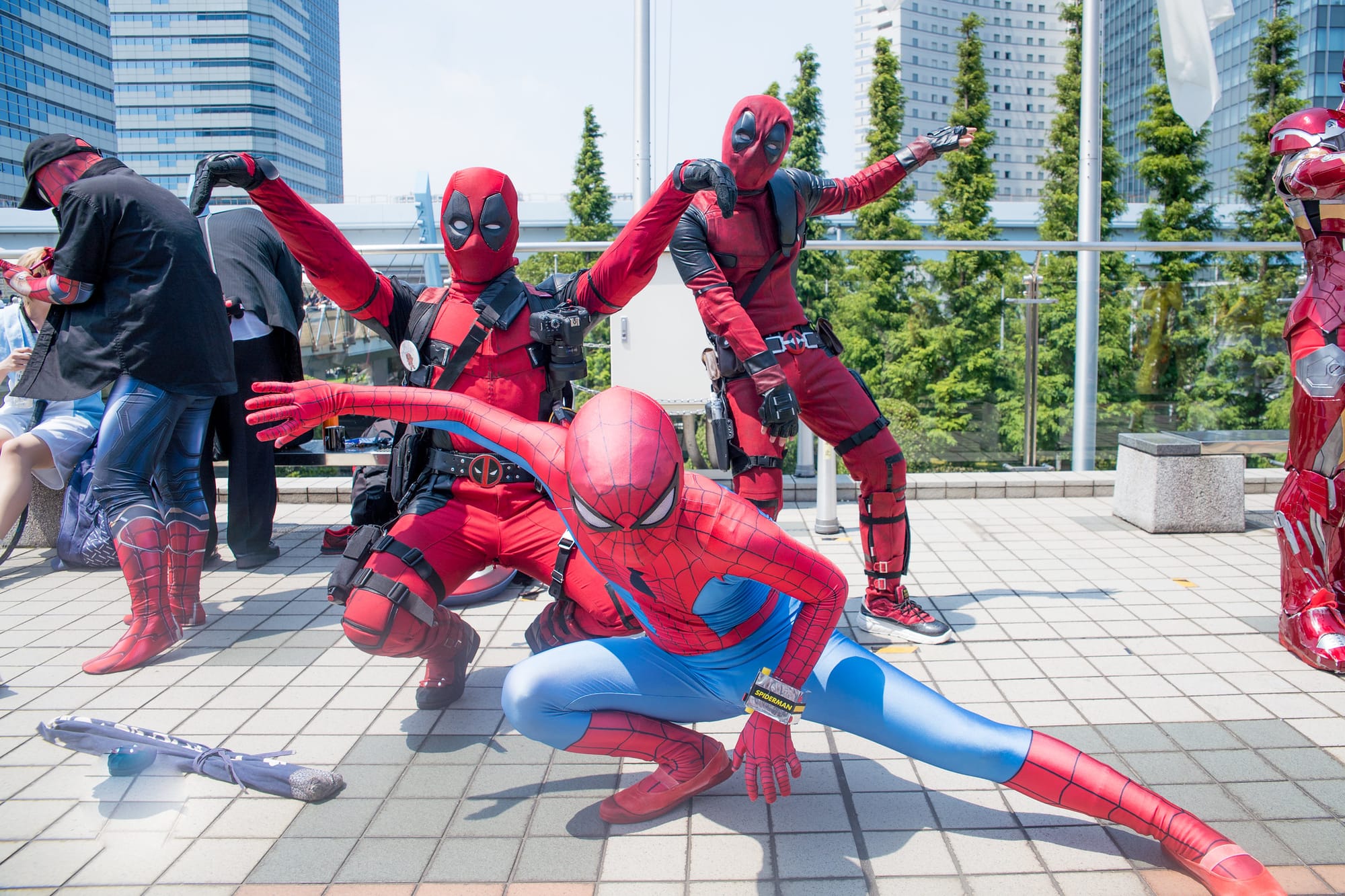
Although, unsurprisingly, you will find many cosplayers cosplaying from trending media franchises, you may be surprised and delighted to find cosplayers from older and/or relatively obscure ones, too! Cosplayers of beloved Studio Ghibli characters, for instance, can be spotted at Comiket practically each year.
Tips for Comiket Attendees
From survival rules to etiquette pointers, these tips will help you have an awesome time at Comiket.
General
The number-one rule to survive Comiket is to take the weather into account and practice good hygiene. This is especially true during summer — imagine being at an extremely crowded event and having to endure the unbearable heat.
Take a shower, wear deodorant, and make sure you have adequate protection from the elements: fans and ice packs in summer, and warm clothes and heat packs in winter. Regardless of the season, stay hydrated!
You probably have an idea by now that Comiket is massive, so if you’re attending with friends (or meeting up with them at the event), familiarize yourself with the venue. That way, you’ll have less trouble setting meeting points and regrouping.
Lastly, this should be common sense, but in case some people need reminding: be nice and respectful. Comiket isn’t the place to be criticizing someone’s art style or hitting on cosplayers.
When in doubt, ask a volunteer. Comiket is well-known for having a team of dedicated, friendly, and enthusiastic volunteers. It even has a helpdesk for non-Japanese speakers!
Buyers/Collectors
So long as you’re planning to buy something, it doesn’t matter if it’s doujinshi or official merchandise — you’ll have to strategize!
Comiket is serious business for buyers. With too many exhibitors and too little time, this is not an event for window-shopping. If artists or anime studios that you follow on Twitter will be participating at Comiket, take note of their table number and their lineup.
Check Comiket’s catalog beforehand. Not only will this give you an idea of the event’s layout, but it will also help you check whether there will be doujinshi or merchandise of your favorite fandoms.
A free online version of the catalog is available (Japanese only), but buying the print version is highly recommended. It may be as huge and thick as an old-school phone directory, but it comes with a detachable printout of the floor map. Nothing beats being able to mark or highlight table numbers to check out!
Plan wisely: think of which table to check out first, which items to buy, and more. Remember, official merchandise and doujinshi by popular artists may sell out in just under an hour after opening!
Finally, it’s D-Day. Arrive early! If you absolutely must get your hands on merchandise, head for Comiket right as soon as the trains start running, usually at around 5:00 am. Arriving just an hour or two before the event opens won’t be a good idea if the items you want will only be sold in limited quantities.
Get up early, prepare enough cash, and bring a bag (or even a suitcase) big enough to hold your hauls — doujinshi artists usually do not provide bags.
Comiket is almost entirely a cash event. Most doujinshi circles do not accept credit cards or digital payment. If you are planning to buy across multiple circles, bring at least ¥20,000 to ¥30,000 for the day, in smaller bills where possible, since change can be slow to come by at busy tables.
You’ll be in line for hours, so bring things that’ll make the long wait easier: a charger, something to help you pass the time, snacks, and/or even a foldable chair. Don’t forget your map and shopping list!
After hours and hours of waiting, it’s the moment you’ve been waiting for: time to get in. Happy shopping, and may the odds be ever in your favor!
Cosplayers
At most Japanese cosplay events, including Comiket, you absolutely must get changed at the venue. That is, you can’t arrive at or leave in cosplay. (In case you’re wondering why, it’s a self-policing rule that cosplay event organizers started implementing after getting complaints from the general public.)
Also, be mindful of the guidelines for cosplayers. Examples include not showing too much skin (although many cosplayers get around this by wearing skin-colored bodysuits), and not wearing costumes that resemble those of actual uniformed officers — be it police, military, or whatnot.
At Comiket, the cosplay registration fee is ¥1,000 per day. To register, all you have to do is pay the fee at a desk near the dressing room.
Dressing rooms are separated by gender, but they don’t have individual cubicles. Rest assured that no one will stare at you, as everyone’s busy doing their own thing!
If you’re cosplaying at Comiket, time can really fly! Make the most of your day by arriving early. Take into account the time you’ll spend lining up for — and walking to and from — the dressing room, as well as changing into and out of costume.
Be mindful and considerate. Stick to designated cosplay areas, and don’t start posing for photo ops in the doujin area. You might obstruct artists’ tables or block pathways.
Cosplay culture in Tokyo isn't limited to convention days. Districts like Harajuku and Akihabara have a visible cosplay and street fashion presence year-round, and a local guide can point out the specific shops and photo spots that don't show up in a typical guidebook.
People-Watchers and Casual Attendees
If you just want to get a feel of what Comiket is like (maybe as preparation for the next one), and/or you’re just curious about the hype, there’s no pressure for you to get up early and beat the crowds. Good for you!
Just show up at around 11:00 am or noon. By then, you’ll no longer have to wait in line to get in. Take heed of our general tips, and you’re good to go!
Comiket FAQs
When is Comiket 2026?
Summer Comiket (C108) is on August 15 and 16, 2026. Winter Comiket (C109) is on December 29, 30, and 31, 2026. Both are held at Tokyo Big Sight from 10:00 am to 4:00 pm.
What does Comiket mean?
Comiket is short for Comic Market, a twice-yearly fan convention in Tokyo focused on doujinshi, self-published comics and other fan-made works. It is completely grassroots, organized by fans for fans, and has grown from around 700 attendees at its first event in 1975 to several hundred thousand at its peak.
How much does it cost to attend Comiket?
General admission ranges from ¥440 for a PM Entry wristband bought in advance at a store, up to ¥5,000 for an Early Entry ticket. Most attendees who plan to shop seriously bring an additional ¥20,000 to ¥30,000 in cash for purchases, since the event is almost entirely cash based.
Is Comiket appropriate for all ages?
Comiket welcomes general attendees of all ages, and children 15 and under can enter free with a paying adult. However, some doujinshi sold at the event contain adult oriented content, and several travel guides note the event leans toward dedicated fans rather than families with young children. Use your judgment based on your child’s age and interests.
How do I get to Comiket?
Tokyo Big Sight, the venue for Comiket, is best reached via Kokusai-Tenjijo Station on the JR Rinkai Line or Kokusai-Tenjijo-Seimon Station on the Yurikamome Line. Both stations are a short walk from the venue entrances.
Comiket itself runs on its own schedule and isn't something a guided tour can take you into, since entry depends on the ticket type and time slot you've secured. What a TOMOGO local expert can do is show you the rest of Tokyo's otaku culture: Akihabara's electronics and anime shops, the retro arcades and collectibles of Nakano Broadway, or a maid cafe experience, any day of the year, with someone who actually knows the scene.

Looking to dive deeper into Japan's otaku culture?
Book a Local Expert guide with TOMOGO! to explore otaku hubs like Akihabara and Nakano the way the locals do. Combining Comiket with a longer Tokyo trip? Our Pathways packages take care of hotels, transport, and a full itinerary so you can focus on the convention.