
10 Day Japan Itinerary 2026: The Complete Route for First-Time Visitors
Before You Go: How This Itinerary Works
Ten days is enough time to see the essential first-time route through Japan properly, without the rushed feeling that comes from trying to fit in too many cities. This itinerary covers Tokyo, Kyoto, Nara, and Osaka, the route that consistently works best for a first visit, balanced between modern city energy and historic culture.
A practical tip before you book flights: fly into Tokyo (Haneda or Narita) and out of Kansai International Airport near Osaka. This open-jaw routing follows the itinerary in one direction with no backtracking, and most airlines price it the same as a standard round trip. Flying in and out of Tokyo only adds an unnecessary Shinkansen leg back across the country on your final day.
Before you go, it's worth reading through a few practical basics that catch most first-time visitors off guard, from cash versus card to train etiquette. Our Japan Travel Tips: 10 Essential Things to Know Before Your First Visit guide covers the fundamentals so you're not figuring them out on Day 1.
Every day below notes roughly how much planning effort it takes to pull off yourself. Some days, a single neighborhood on foot, are easy to self-manage. Others, a multi-city train transfer with a tight connection, or booking a specific reserved Shinkansen seat months in advance, take real research. We have flagged each one so you know what you are signing up for, whether you are planning every detail yourself or considering a tour that handles the logistics for you.
The 10-Day Route
Day 1: Tokyo, Arrival and Shibuya
Planning effort: Low. Single neighborhood, on foot, no advance bookings needed.
If you arrive early, check in to your hotel or at least drop off your luggage before heading out. Take the local train to Shibuya Station and explore the famous Shibuya Crossing. Walk through the backstreets to Omotesando and Aoyama, then through the torii gate into Meiji Jingu Shrine. Finish in the quieter Daikanyama district for an early dinner.
Where to stay: Shinjuku and Shibuya are both strong bases. Each has direct train access to Haneda and Narita airports, is walkable to dinner, and sits on multiple metro lines you will use constantly over the next two days. Shinjuku is the larger transport hub; Shibuya is slightly more central for sightseeing. Either works well. Avoid basing yourself in Asakusa unless you do not mind a longer commute to everything else on this itinerary.
Comparing hotels and transport links across two neighborhoods is exactly the kind of decision TOMOGO! Pathways pre-arranges for you. Every hotel on a Pathways route is already vetted for location, so this is one fewer thing to research before you go.
Day 2: Tokyo, Akihabara and Asakusa
Planning effort: Low. Two neighborhoods connected by metro, no advance bookings needed.
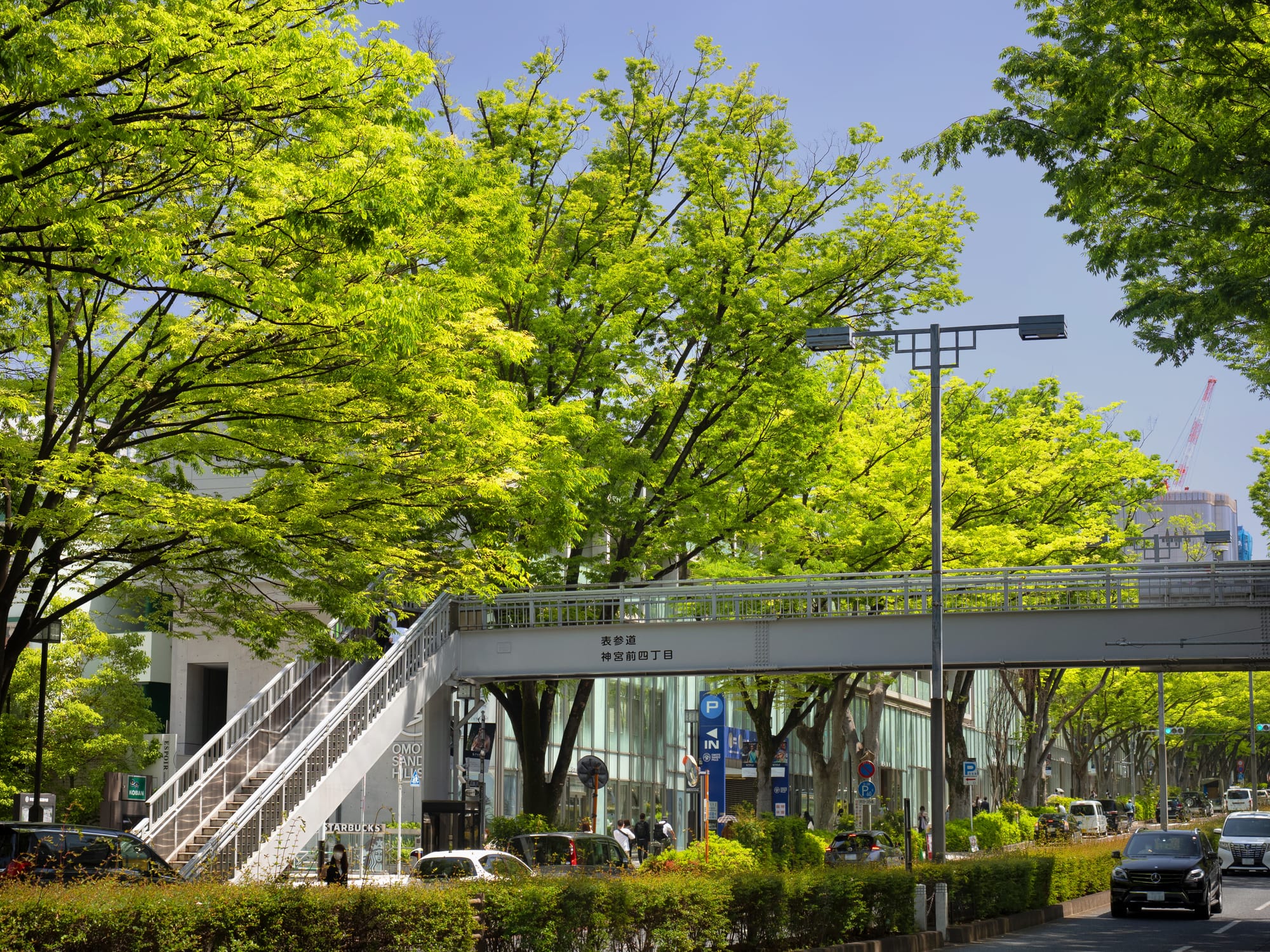
Morning in Akihabara Electric Town, then walk eight minutes to Kanda Myoujin Shrine. Spend the afternoon in Asakusa and around Tokyo Skytree, mixing historic temples with modern shopping.
Two days only scratches the surface of what Tokyo offers. If you have extra time before or after this itinerary, or want a deeper dive into the city's shopping and sightseeing beyond what's covered here, our 3-Day Ultimate Shopping and Sightseeing Guide in Tokyo is a good next stop.
Day 3: Tokyo to Kyoto
Planning effort: Medium. Requires booking a reserved Shinkansen seat in advance during busy periods.
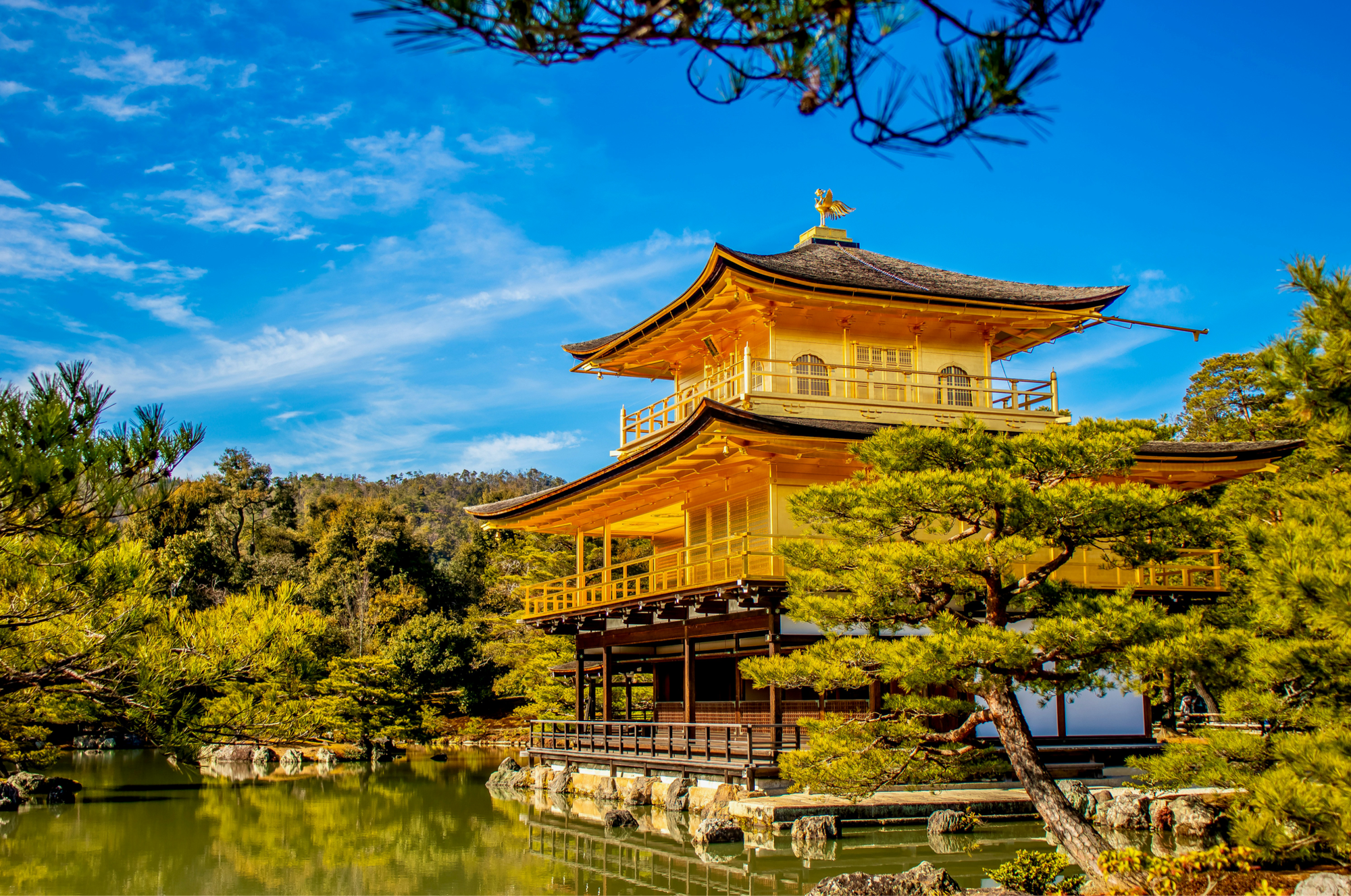
Take the Tokaido Shinkansen from Tokyo Station directly to Kyoto, approximately 2 hours and 15 minutes. Check in to your hotel, then spend the afternoon and evening exploring the Geisha districts and Zen temples of Higashiyama. If you have the energy after dinner, Fushimi Inari is far quieter and beautifully lit after dark.
Where to stay: Near Kyoto Station is the most convenient base for day trips, since Nara, Arashiyama, and Fushimi Inari are all a short ride away, but the area itself is unremarkable in the evenings. Gion and Higashiyama are more atmospheric, with traditional machiya streets and walkable temples, but cost more and rely on buses for anything further out. Both are reasonable choices; the decision comes down to whether you prioritize atmosphere or convenience.
Day 4: Kyoto, Arashiyama
Planning effort: Medium. A full day with several stops; booking the vegetarian Buddhist lunch in advance is recommended.
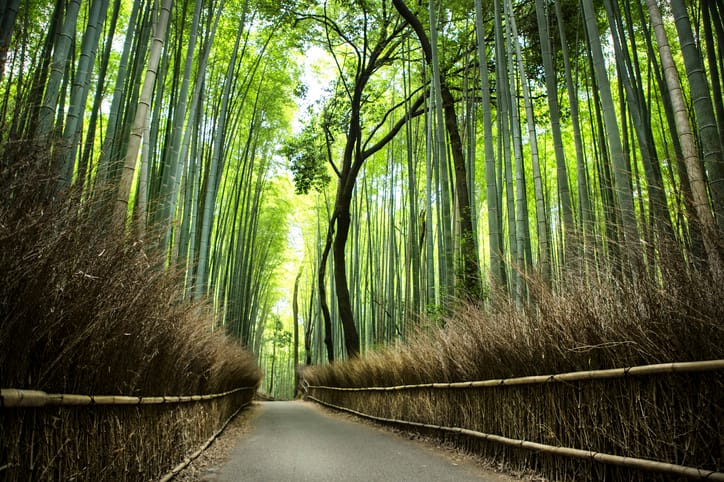
Travel west to Arashiyama. Start at Otagi Nenbutsu-ji Temple and its 1,200 hand-carved rakan statues, then visit Tenryuji Temple for a lunch of traditional vegetarian Buddhist cuisine. Walk along the Katsura River to Kameyama Park and the Okochi Sanso Zen Garden. If time allows, finish at Nishiki Market for street food and souvenirs.
Day 5: Kyoto, Nara Day Trip
Planning effort: Low to medium. A straightforward day trip, but requires coordinating two train legs in one day.
Take the Kintetsu Express to Nara, around 50 minutes, and visit Nara Deer Park and Todai-ji Temple, home to the giant bronze Buddha. In the afternoon, take the Kintetsu Limited Express onward to Osaka Namba Station, 43 minutes, and spend the evening in Dotonbori, sampling takoyaki, kushikatsu, and okonomiyaki. Return to Kyoto by train in the evening.
Day 6: Kyoto, Free Day or Universal Studios Japan
Planning effort: Low if staying in Kyoto; medium if adding USJ, due to timed-entry ticketing.
This is intentionally the lightest day in the itinerary. If traveling with kids or anyone who wants a theme park day, take the train to Osaka and spend the day at Universal Studios Japan, returning to Kyoto in the evening. If not, treat this as a rest day or a chance to revisit a favorite spot from earlier in the trip at a slower pace.
Day 7: Kyoto to Osaka
Planning effort: Low. Short train transfer, no advance bookings strictly necessary.
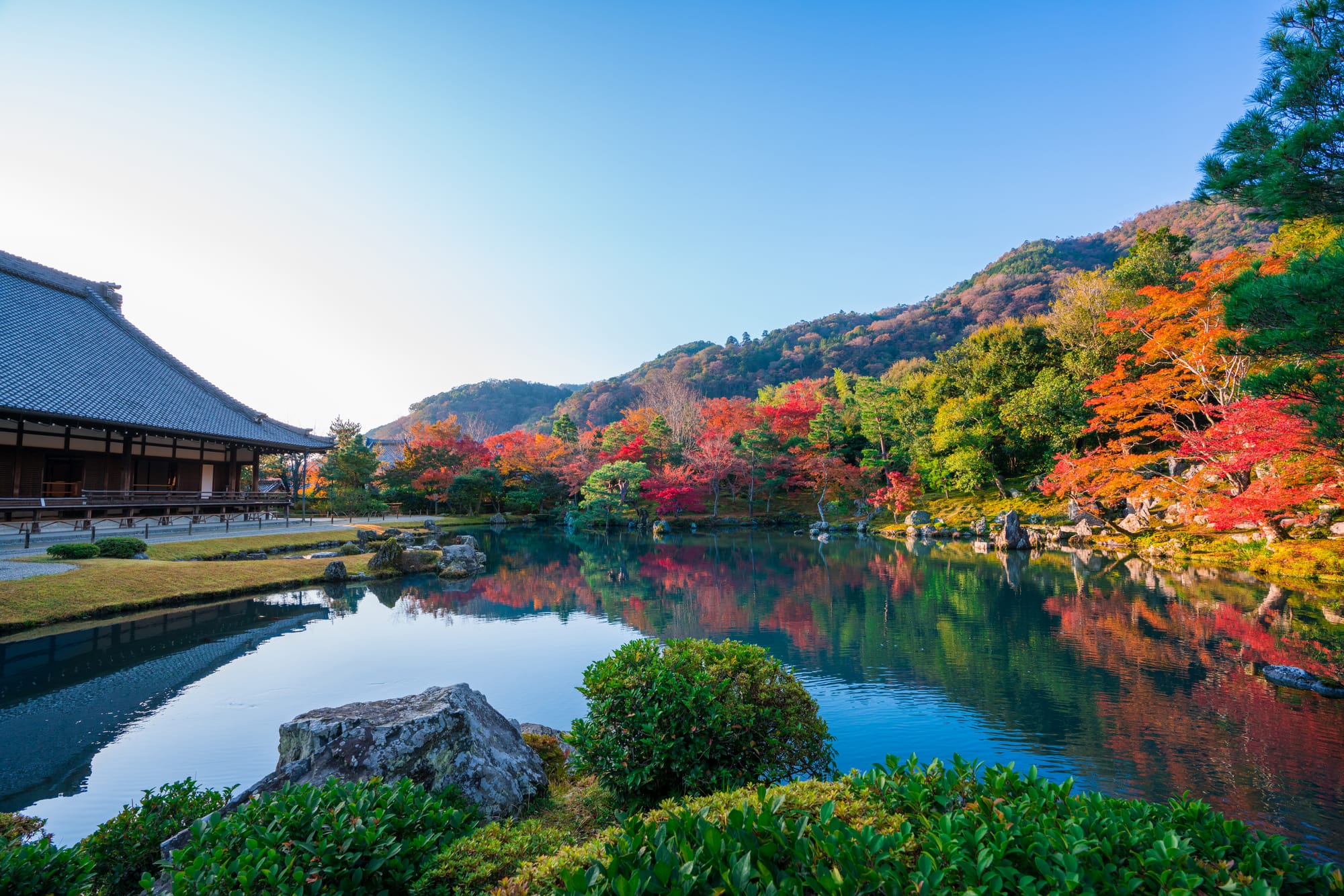
Check out of your Kyoto hotel and take the short train ride to Osaka, around 15 minutes by Shinkansen, or longer by local train. Check in and spend the afternoon exploring a different side of Dotonbori and the surrounding districts by daylight, since Day 5’s visit was primarily an evening one.
Where to stay: Namba or Umeda are the two strongest options. Namba puts you directly in Dotonbori, the densest concentration of food and nightlife on this entire itinerary, and is well connected to Kansai Airport for departure. Umeda is more business-district in character but has excellent department store shopping and slightly better value hotels.
Day 8: Osaka, Osaka Castle and Local Food
Planning effort: Low. Self-guided sightseeing, no advance bookings needed.
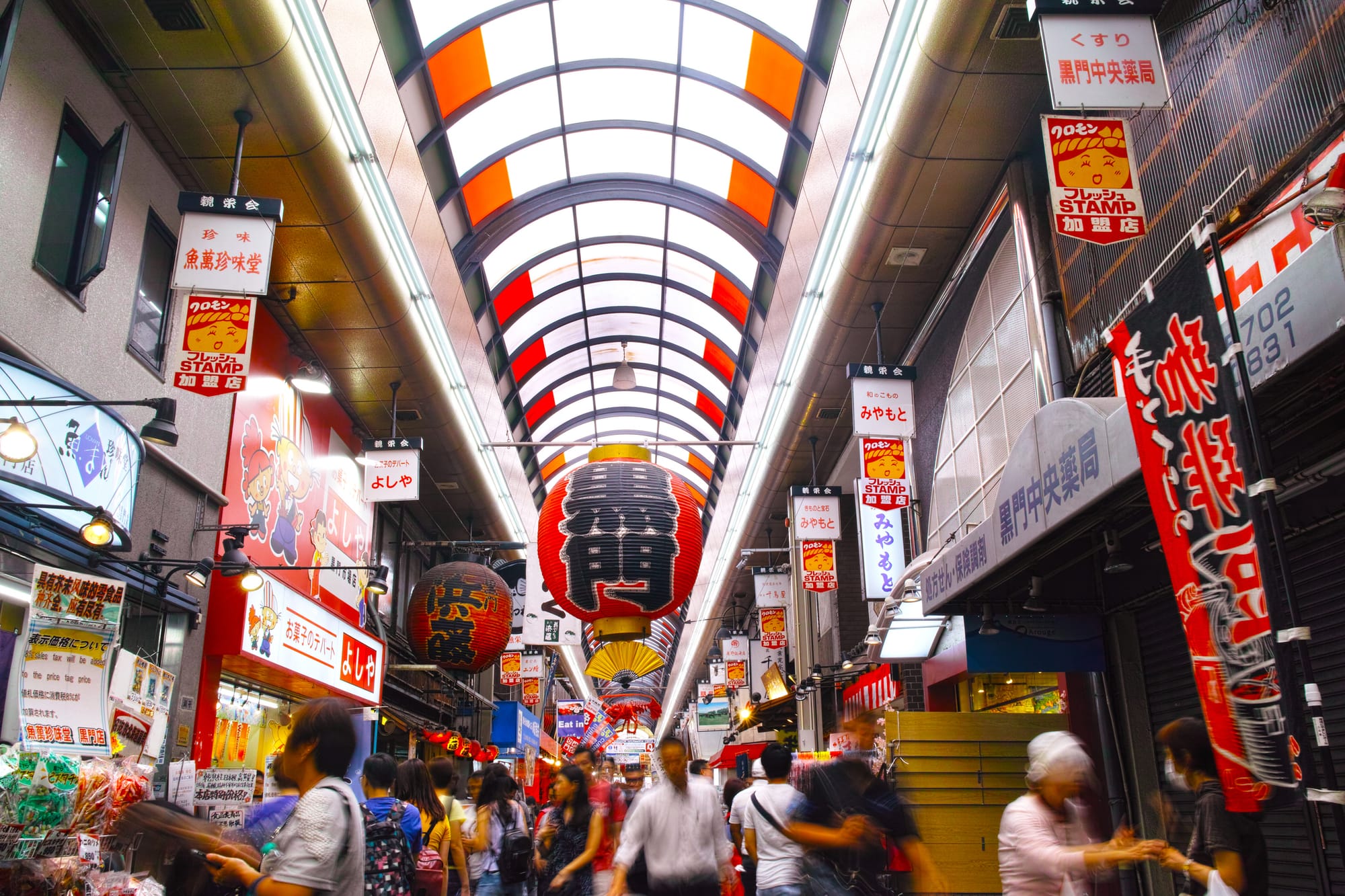
Spend the morning at Osaka Castle and its surrounding park. In the afternoon, explore Kuromon Ichiba Market for fresh seafood and street food, then wander the Shinsekai district for a more local, retro atmosphere than Dotonbori.
Day 9: Osaka to Tokyo, or Depart from Kansai
Planning effort: Medium if returning to Tokyo; low if flying open-jaw from Kansai.
If you booked an open-jaw flight as recommended in the introduction, today is a free day in Osaka before your evening departure from Kansai International Airport. If you are flying out of Tokyo instead, take the Tokaido Shinkansen back to Tokyo, around 2 hours and 30 minutes, approximately ¥13,870 one way, check in to your hotel, then spend the afternoon and evening at Shibuya Sky for panoramic city views, followed by dinner in the Shibuya area.
Day 10: Tokyo, Final Day and Departure
Planning effort: Low. Flexible final day built around your flight time. Skip this day entirely if you flew open-jaw from Kansai on Day 9.
Use the morning for last-minute shopping or a final neighborhood you have not yet visited. Yanaka and Nezu Shrine are a quieter alternative to the busier districts if you have the time. Transfer to the airport for your departure flight in the afternoon or evening, depending on your flight time.
Which Travel Style Fits This Itinerary?
This route works whether you plan every detail yourself, book a fully guided tour, or land somewhere in between. The right fit depends mostly on how much planning effort you want to take on versus how much flexibility you want to keep, and the cost difference between the three approaches is worth knowing upfront.
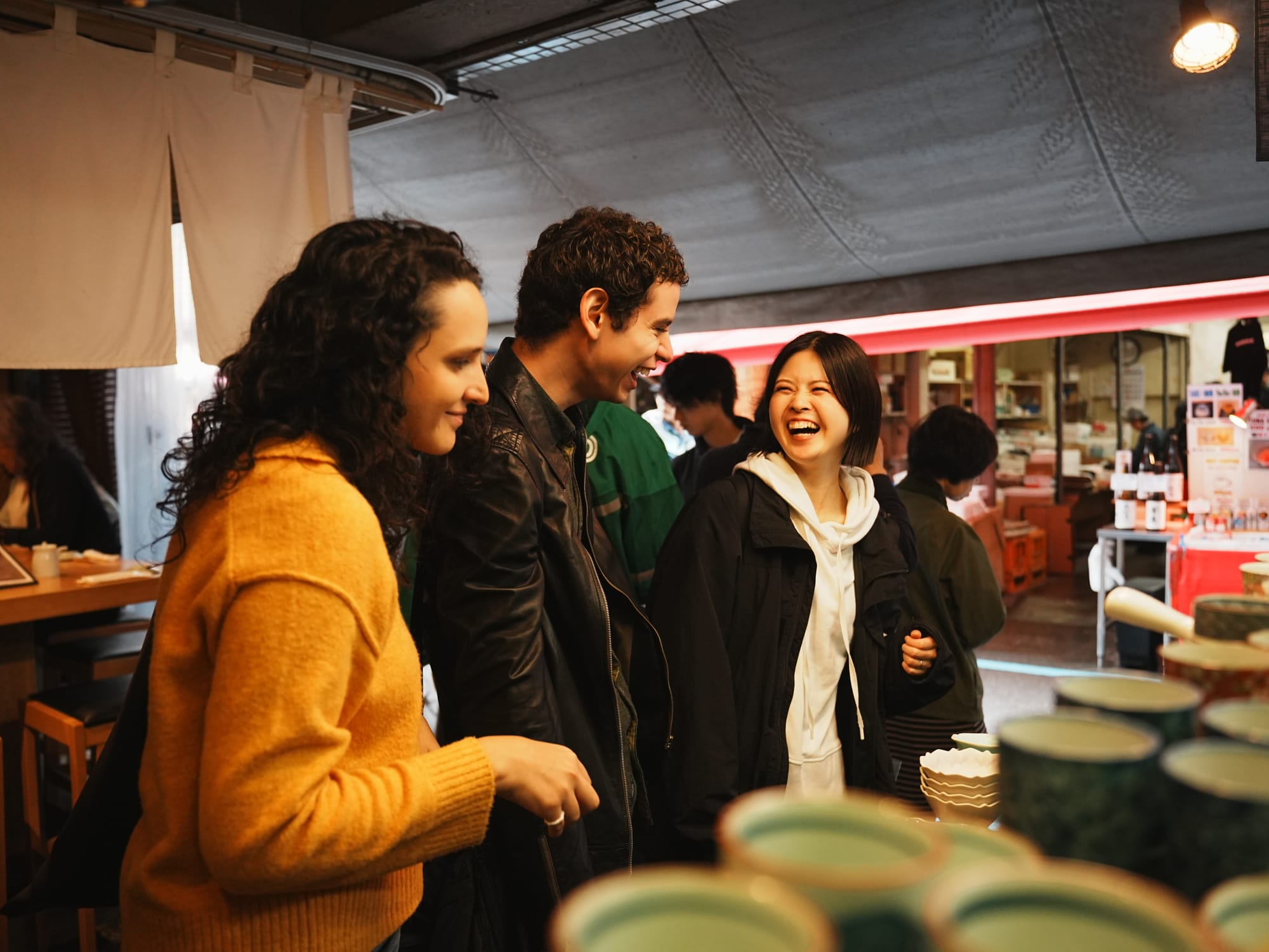
Fully independent. Best if you already feel comfortable navigating Japan's train system and enjoy building your own itinerary. The medium-effort days above, Days 3, 4, 5, and 9, are the ones that benefit most from booking reserved Shinkansen seats and key restaurant reservations well in advance, particularly during cherry blossom season (late March to early April) or autumn foliage season (mid-November). Total transport for this route runs approximately ¥17,000 to ¥25,000 per person. Add 3-star hotels, meals, and entry fees, and a realistic mid-range budget is $150 to $250 USD per person per day, excluding flights. This is the least expensive option, and the one that takes the most of your own time to plan well.
Fully guided. Best for first-time visitors who want zero day-to-day decisions and prefer having a guide present throughout. A fully guided version of this route typically costs more per person than independent travel, with a guide present for the entire trip. You make no logistics decisions at all, but you also follow the group's schedule throughout, with limited flexibility to linger somewhere longer or skip something that does not interest you.
Semi-guided. Best if you want the flexibility to explore at your own pace each day, without the burden of planning hotels, trains, and logistics yourself. This is the model behind TOMOGO! Pathways, which pre-arranges 3-star-and-above hotels, all Shinkansen tickets, and a detailed day-by-day itinerary, while weaving in guided experiences and hands-on workshops throughout the trip. TOMOGO! Pathways packages this exact style of trip for ¥1,000,000 for up to four travelers, approximately ¥250,000, or roughly $1,650 USD, per person, also excluding flights. The trade-off is straightforward: you pay a premium over fully independent travel, in exchange for the planning, train bookings, and hotel research above being done for you, while keeping the freedom to explore each day at your own pace, without a guide attached to you the whole time. Explore TOMOGO! Pathways routes.
10 Day Japan Itinerary FAQs
Is 10 days enough time in Japan?
Yes, for a first visit focused on Tokyo, Kyoto, Nara, and Osaka. Ten days is enough to properly explore the country’s essential first-time route without the rushed pace that comes from trying to add too many additional cities. Visitors wanting to add Hiroshima, the Japanese Alps, or Hokkaido to this route should plan for 12 to 14 days instead.
What is the best 10 day Japan itinerary route for first-time visitors?
Tokyo, Kyoto, Nara, and Osaka is the most consistently recommended 10-day route, since it balances modern city energy with Japan’s most significant historic and cultural sites, while keeping train travel between cities manageable within a 10-day window.
How much does a 10 day trip to Japan cost?
For a fully independent trip, expect approximately $150 to $250 USD per person per day for mid-range hotels, food, and local transport, excluding international flights, roughly $1,500 to $2,500 per person for the 10 days. Semi-guided packages that pre-arrange hotels, Shinkansen tickets, and a detailed itinerary, such as TOMOGO! Pathways, run approximately ¥1,000,000 for up to four travelers, around $1,650 per person, also excluding flights. Fully guided tours with a dedicated guide for the full trip typically cost more again per person than either option.
Do I need to book Shinkansen tickets in advance for a 10 day Japan trip?
It is strongly recommended during peak travel periods, particularly cherry blossom season (late March to early April) and autumn foliage season (mid-November), since reserved seats on popular routes can sell out. Outside of peak season, same-day or next-day booking is usually fine.
Is it better to do a guided tour or plan a Japan trip myself?
It depends on how much you value flexibility versus having logistics handled for you. Fully independent travel offers the most control and is often the most affordable per day, but takes real time to plan well. Fully guided tours remove all planning but also remove flexibility, since you follow a guide’s schedule throughout. Semi-guided options sit in between: trip logistics like hotels and trains are arranged in advance, but you still explore at your own pace each day.

Want this exact trip planned for you?
Tokyo, Kyoto, Nara, and Osaka. Hotels, Shinkansen tickets, and a detailed day-by-day plan, with guided experiences along the way. Explore TOMOGO! Pathways.