
Japan Nightlife Guide 2026: Izakayas, Whisky Bars, Karaoke & Everything After Dark
When people picture Japan, they often think of serene temples, cherry blossoms, and orderly city streets. But as the sun sets and the neon signs flicker to life, a whole other side of the country emerges: one that's lively, surprising, and deeply fun. Whether you're in a fast-paced metropolis like Tokyo or Osaka, or a quieter city like Kyoto, Japan has a thriving after-dark culture that's well worth exploring.
If you're wondering what to do at night in Japan, you've come to the right place. This guide covers the best nightlife activities in Japan, from izakayas and whisky bars to karaoke, rooftop views, and street food after dark. It spans Tokyo, Osaka, Kyoto, and Fukuoka, and includes practical tips for navigating the night as a visitor.
Izakayas: Japanese Pub Culture at Its Finest
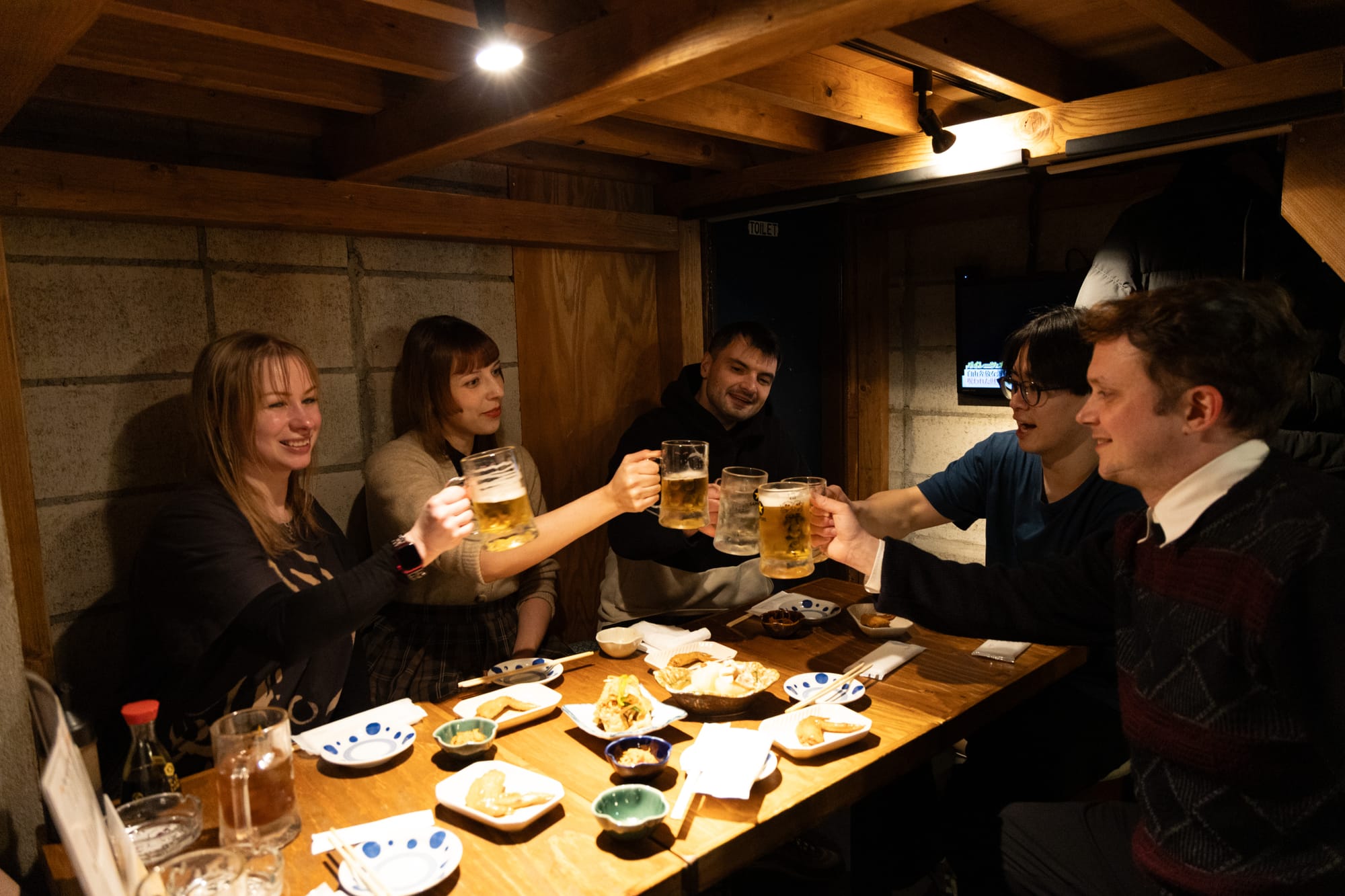
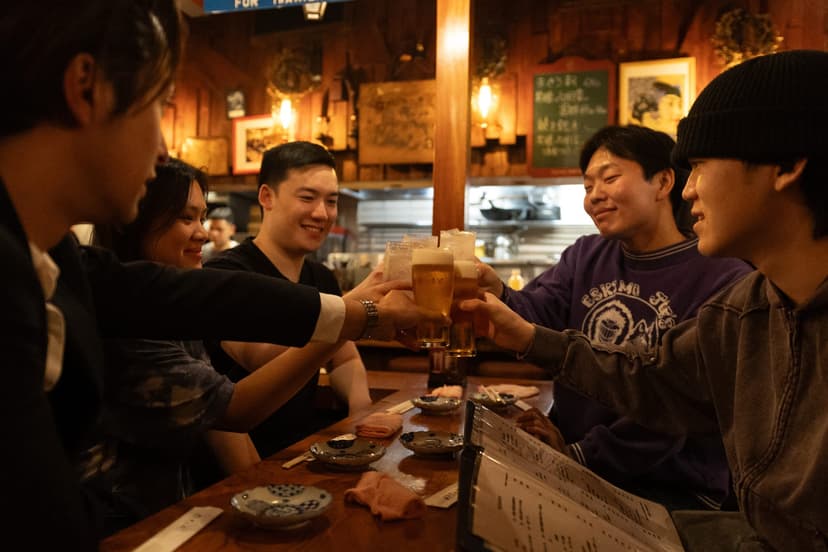
No guide to nightlife in Japan would be complete without a dedicated section on izakayas. Think of them as Japanese gastropubs: casual, cozy spots where food and drink are equally important and are meant to be enjoyed together. You'll find izakayas on almost every street in Japan's major cities, ranging from tiny counter-seat spots fit for just a handful of people to larger multi-floor establishments.
The menu at an izakaya typically features small sharing plates: yakitori (grilled chicken skewers), karaage (Japanese fried chicken), gyoza, edamame, and grilled fish are all classics. Drinks run the gamut from draft beer to sake, shochu, chu-hai (canned or freshly mixed soda-based cocktails), and Japanese whisky highballs.
Most places also offer nomihodai (all-you-can-drink) plans and meal courses, which are great for groups. Budget roughly ¥2,000 to ¥4,000 per person for a full izakaya evening with drinks.
One thing to keep in mind is that while many izakaya chains now have multilingual menus, more local spots may be difficult for non-Japanese speakers to navigate. Menus often run to dozens of options in Japanese only. One way to ease into the izakaya experience and gain insight into the unwritten rules of izakaya culture is to go with a local who knows their way around.
Bar-Hopping Tours with Local Guides
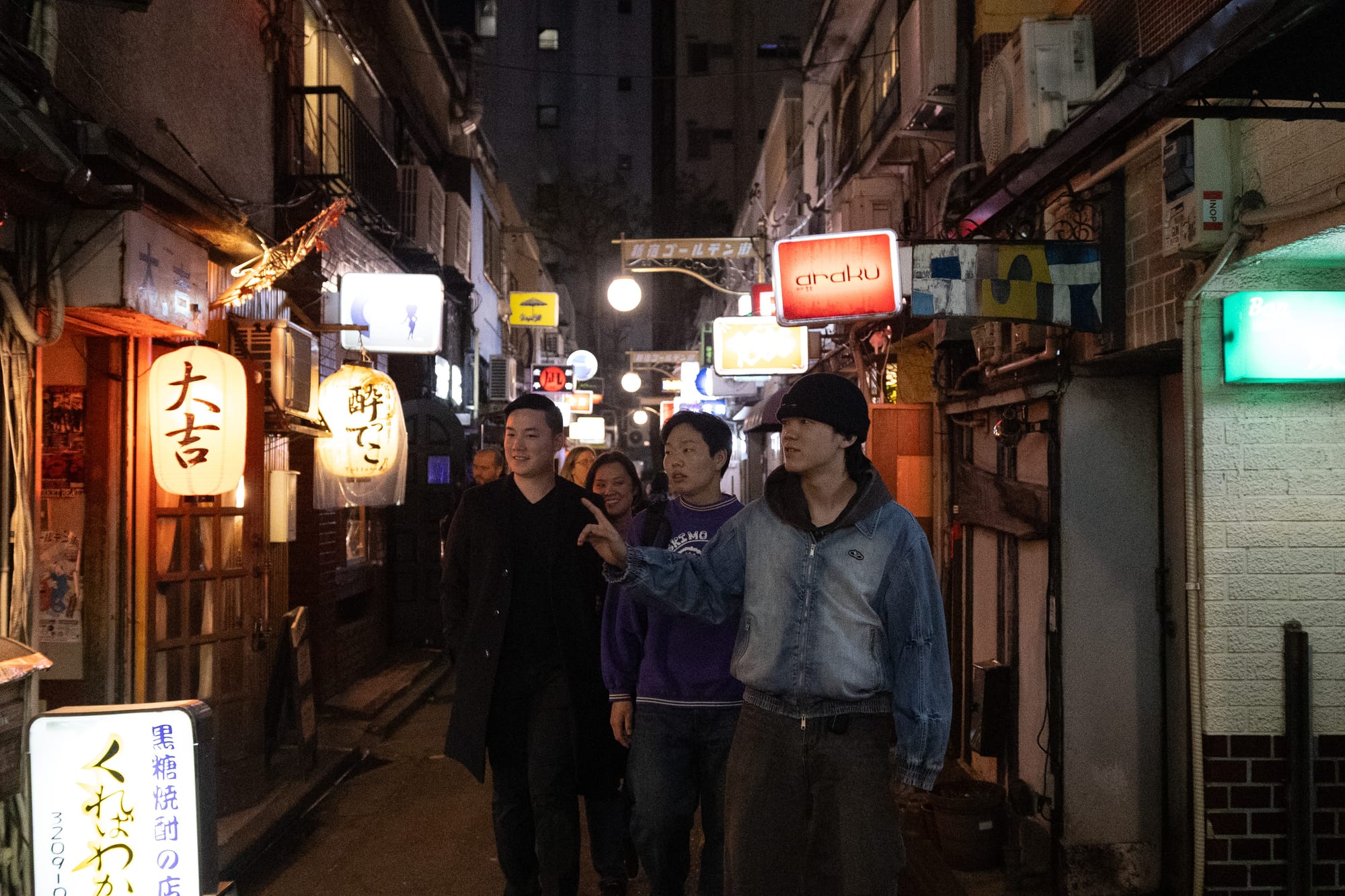
If you really want to experience izakaya culture the right way and discover spots that don't turn up on the first page of Google, going with a local-led bar-hopping tour is hard to beat.
TOMOGO!'s bar-hopping tours do exactly that. Led by friendly local guides who know their neighborhoods inside out, these tours take you to hidden izakayas and bars that you might otherwise walk right past. The guides handle the language barrier, do the ordering, and steer the night based on your group's vibe. All you have to do is show up and enjoy yourself. Currently, tours run across several of Tokyo's most iconic nightlife districts, including Shinjuku, Shibuya, Asakusa, and Ueno.
No two nights are quite the same, since the itinerary adapts to your group. It's a genuinely fun way to spend an evening, especially if you're traveling solo or want to meet other visitors and locals in an organic, relaxed setting.
For a deeper look at what bar-hopping in Tokyo actually involves, including how to navigate cover charges and etiquette at each type of venue, read our TOMOGO! bar-hopping guide. And if you'd prefer a private night out tailored entirely to your group, take a look at our private Tokyo bar-hopping tour.
Golden Gai and Tokyo's Legendary Bar Alleys
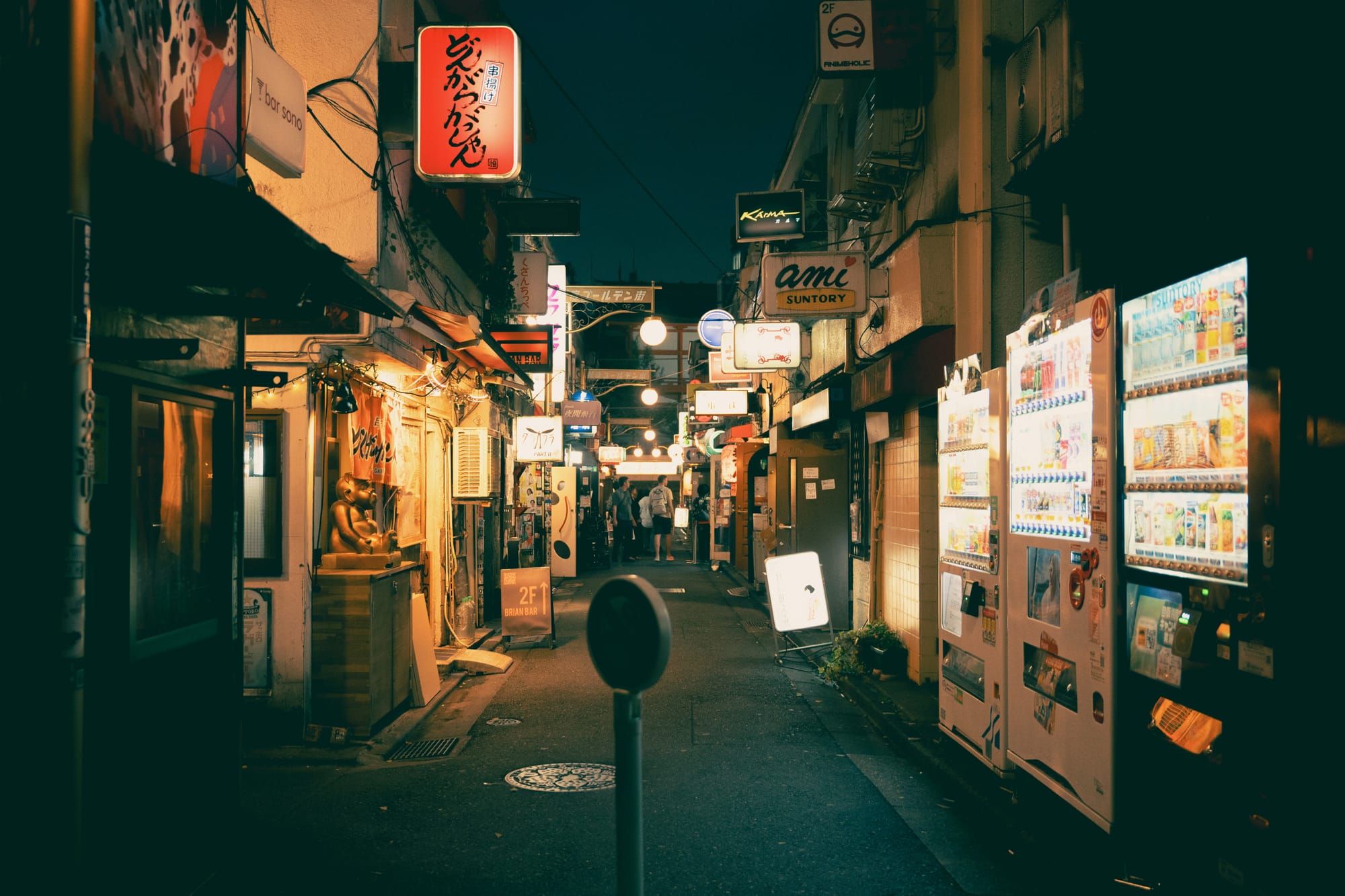
Shinjuku's Golden Gai is one of the most atmospheric drinking destinations in the world: six narrow alleys containing around 200 tiny independently owned bars, most of which seat fewer than ten people. Each bar has its own personality, theme, and regular crowd, from jazz lovers and film buffs to punk rock fans and poetry enthusiasts.
The key to Golden Gai is understanding what it is and isn't. It's not primarily about the drinks, which are simple: typically beer and whisky highballs at ¥500 to ¥1,000 a glass. It's about the human connection, sitting shoulder-to-shoulder with strangers and having conversations that don't happen anywhere else. Most bars also charge a cover charge (sekiryo) of ¥500 to ¥1,500 per person, which is standard practice across small bars in Japan and often includes a small snack.
Just along from Golden Gai, Omoide Yokocho (also known as "Memory Lane" or "Piss Alley") is another essential Shinjuku experience: a lantern-hung alley of tiny yakitori joints where salarymen have been eating grilled skewers under a haze of charcoal smoke for decades. The two alleys make a natural pairing for an evening in Shinjuku.
For a full breakdown of Golden Gai, including which bars welcome tourists, how cover charges work, and the eight etiquette rules first-time visitors should know, read our complete Golden Gai guide.
Karaoke: An Essential Japanese Experience
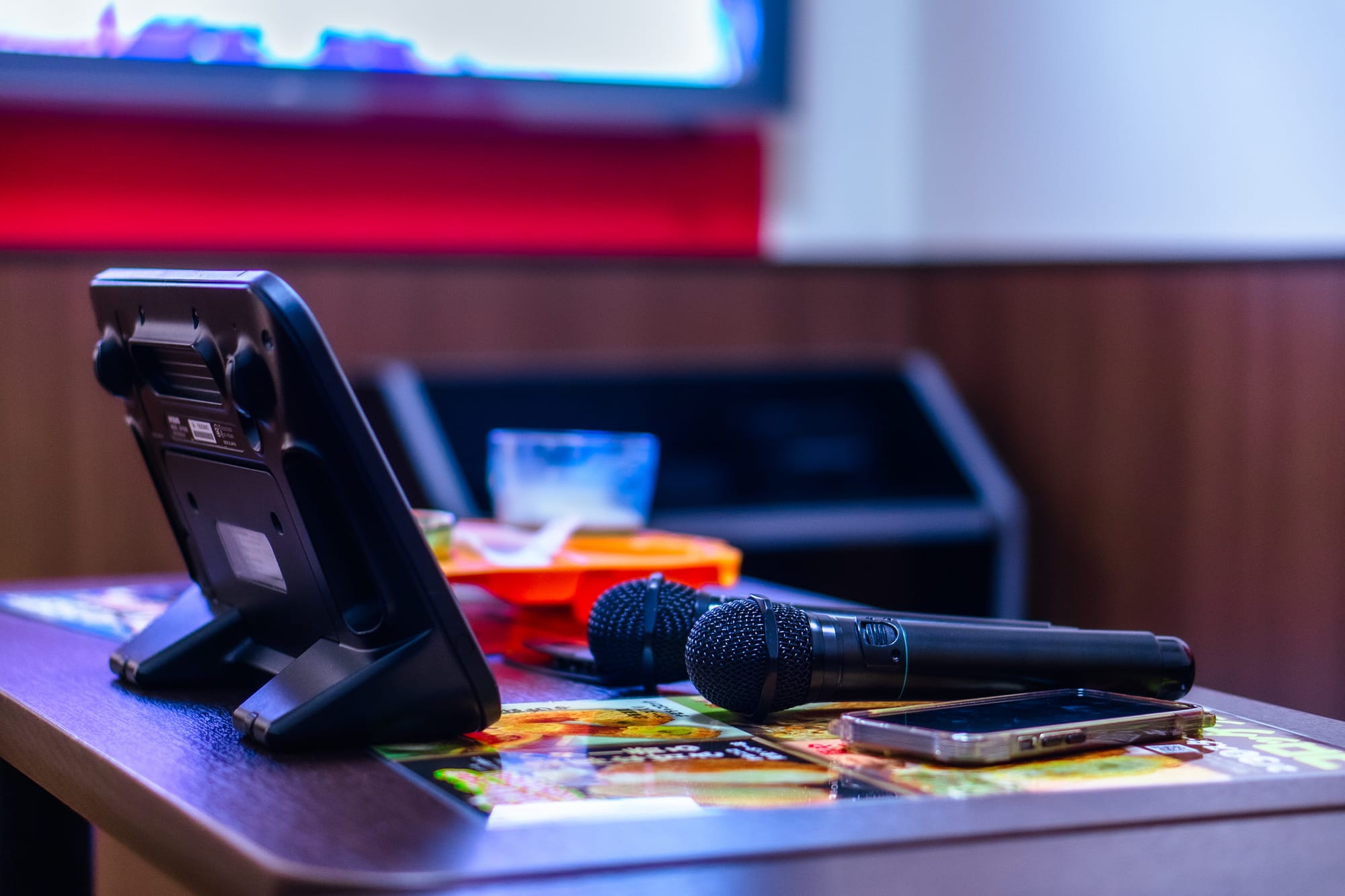
Karaoke in Japan is nothing like what most Westerners imagine. Forget the nerve-wracking experience of singing in front of a bar full of strangers. In Japan, karaoke is typically done in establishments called karaoke boxes, where groups sing their hearts out in private rooms charged by the half-hour. Most chains also offer fixed-rate plans starting at three hours.
These spaces offer everything you'll need for a memorable night: comprehensive and regularly updated song libraries in English, Japanese, Korean, and more; food and drinks (with some chains including free-flowing drinks in the price); and accessories like tambourines and disco lights. The result is something far more comfortable and hilarious than public karaoke. Even the most reluctant singers tend to loosen up once they're in the company of friends with a mic in hand.
Major karaoke chains like Karaoke Kan and Big Echo can be found all over Japan, open late into the night or even 24 hours. Prices typically start at ¥500 to ¥1,500 per person per hour, depending on the time of day and whether drinks are included. After a night of bar-hopping, karaoke makes a perfect final stop for a group that's still buzzing.
Japanese Whisky Bars
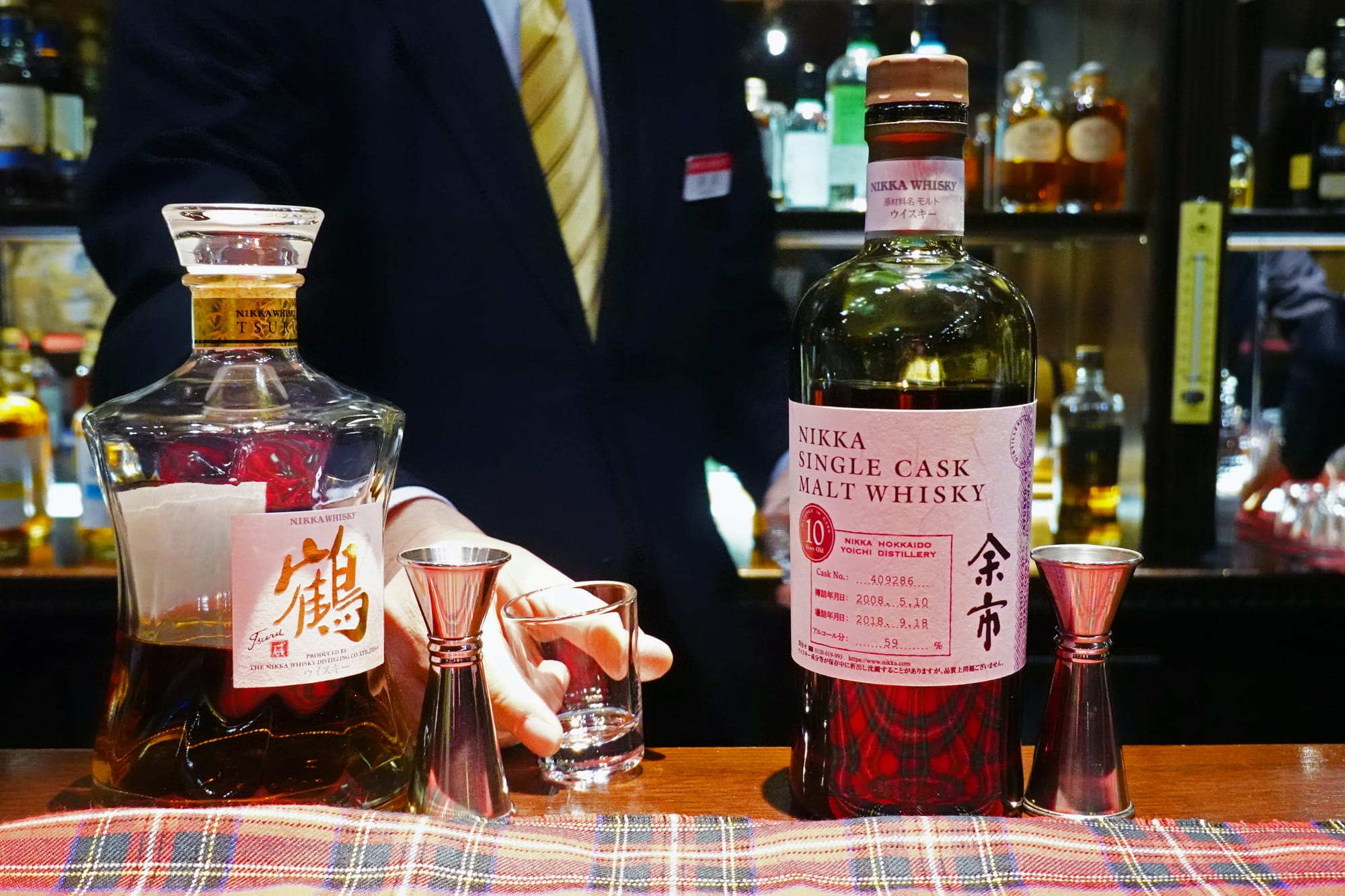
Japan has become one of the most respected whisky-producing nations in the world, and the bar scene reflects that. Whisky bars in Japan are a world apart from your average pub: quiet, elegant, and staffed by deeply knowledgeable bartenders who take the craft of the pour very seriously.
The style of Japanese bartending is precise, unhurried, and often without much small talk. It's an experience in itself. Highballs made with Suntory Toki or Nikka From the Barrel are the everyday go-to for Japanese drinkers, but a specialty whisky bar will offer rare and single-cask bottlings that enthusiasts travel specifically to find. Budget ¥1,500 to ¥3,000 per drink at a serious whisky bar, though house pours are often more affordable.
In Tokyo, areas like Ginza, Shinjuku, and Shimokitazawa are home to standout whisky bars. Osaka and Kyoto have their own excellent options as well. Look for the term bar (バー) rather than izakaya on the signage. These quieter establishments cater to a slightly different crowd but are just as welcoming to curious visitors.
Rooftop Bars and Observation Decks
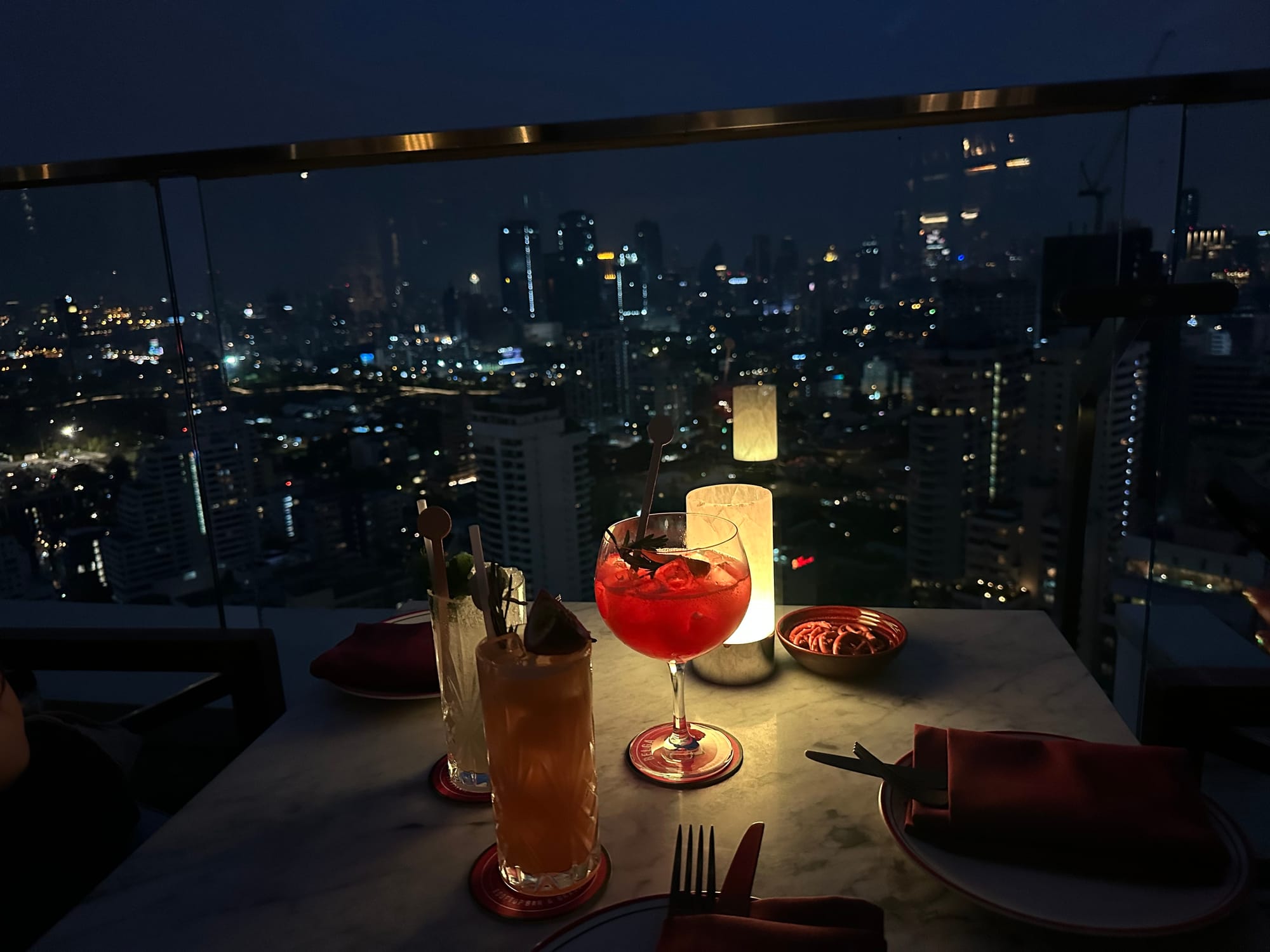
Japan's cities are stunning at night, and getting a bird's-eye view of the glittering skyline is an experience in itself. Many hotels and buildings offer rooftop bars or observation decks that double as atmospheric spots for evening drinks.
In Tokyo, the New York Bar at Park Hyatt Shinjuku is perhaps the city's most iconic sky-high drinking spot, famous for its sweeping views and appearance in Lost in Translation. For something more affordable, the outdoor viewing area at Tokyo Skytree (open until 10:00 PM or later) or the free observation deck at Tokyo Metropolitan Government Building in Shinjuku offer stunning nighttime panoramas without a drinks bill attached.


In Osaka, Dotonbori and the surrounding Namba area come alive at night with neon lights and canal-side bars. For elevated views, the Umeda Sky Building's Floating Garden Observatory is open until 10:30 PM and is one of the most dramatic viewpoints in western Japan.
In Kyoto, rooftop options are fewer by design. Strict height regulations protect the city's historic skyline, but there are several stylish hotel bars and terraces with views of the surrounding mountains and traditional townhouses.
Clubs and Live Music
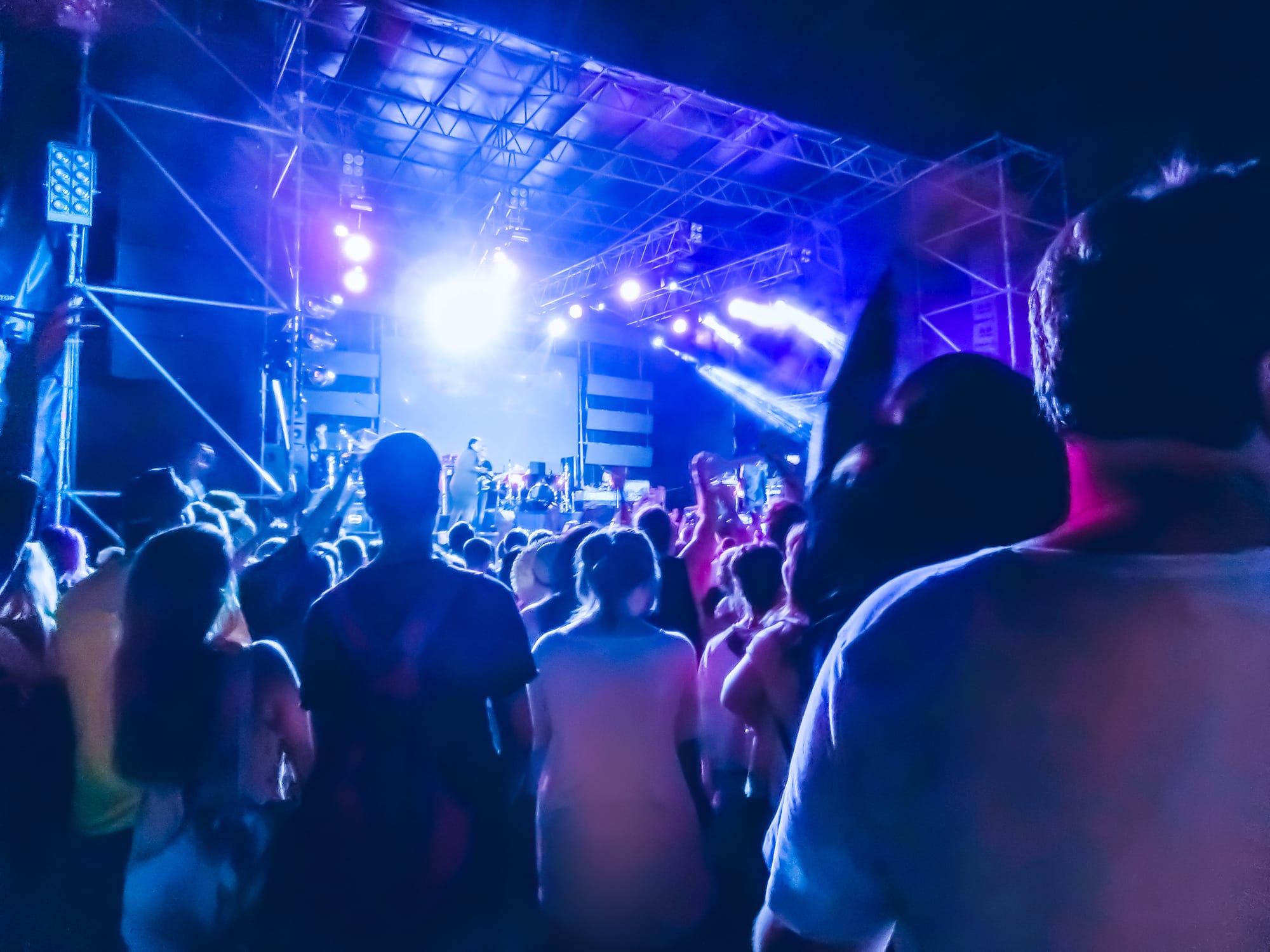
Japan's club and live music scene is as varied as the rest of its nightlife, and considerably more underground than visitors sometimes expect. Tokyo in particular has a thriving electronic music culture, with venues ranging from intimate 100-person basements to 2,000-capacity clubs running sets until dawn.
Clubs
Shibuya and Roppongi are Tokyo's most accessible club districts for first-time visitors. Roppongi has long been the primary nightlife zone for Tokyo's international community, home to large clubs, cocktail bars, and late-night venues catering to foreign residents and tourists. The Roppongi of 2026 is considerably more polished than its wilder past, with world-class art museums and luxury hotels nearby. That said, the standard advice still applies: check prices before you order, and don't follow touts on the street, as these typically represent venues with hidden charges.
For a more serious electronic music experience, the area around Shibuya, particularly clubs in the Dogenzaka and Udagawacho streets behind the station, hosts some of the most respected DJs in Asia on a regular basis. Entry typically runs ¥2,000 to ¥4,000 including a drink ticket.
Live Houses
Japan's live music scene is anchored by live houses: small to mid-size venues dedicated to live performance, found in every major city. Shimokitazawa in Tokyo is the spiritual home of the indie music scene, with a concentration of live houses hosting local and touring acts almost every night of the week. Osaka's Amerikamura neighborhood is another hub, with a raw, grassroots energy that rivals anything in Tokyo. Tickets typically run ¥2,500 to ¥4,000 including a drink. Most venues have an English-friendly door policy.
Yatai: Street Food After Dark
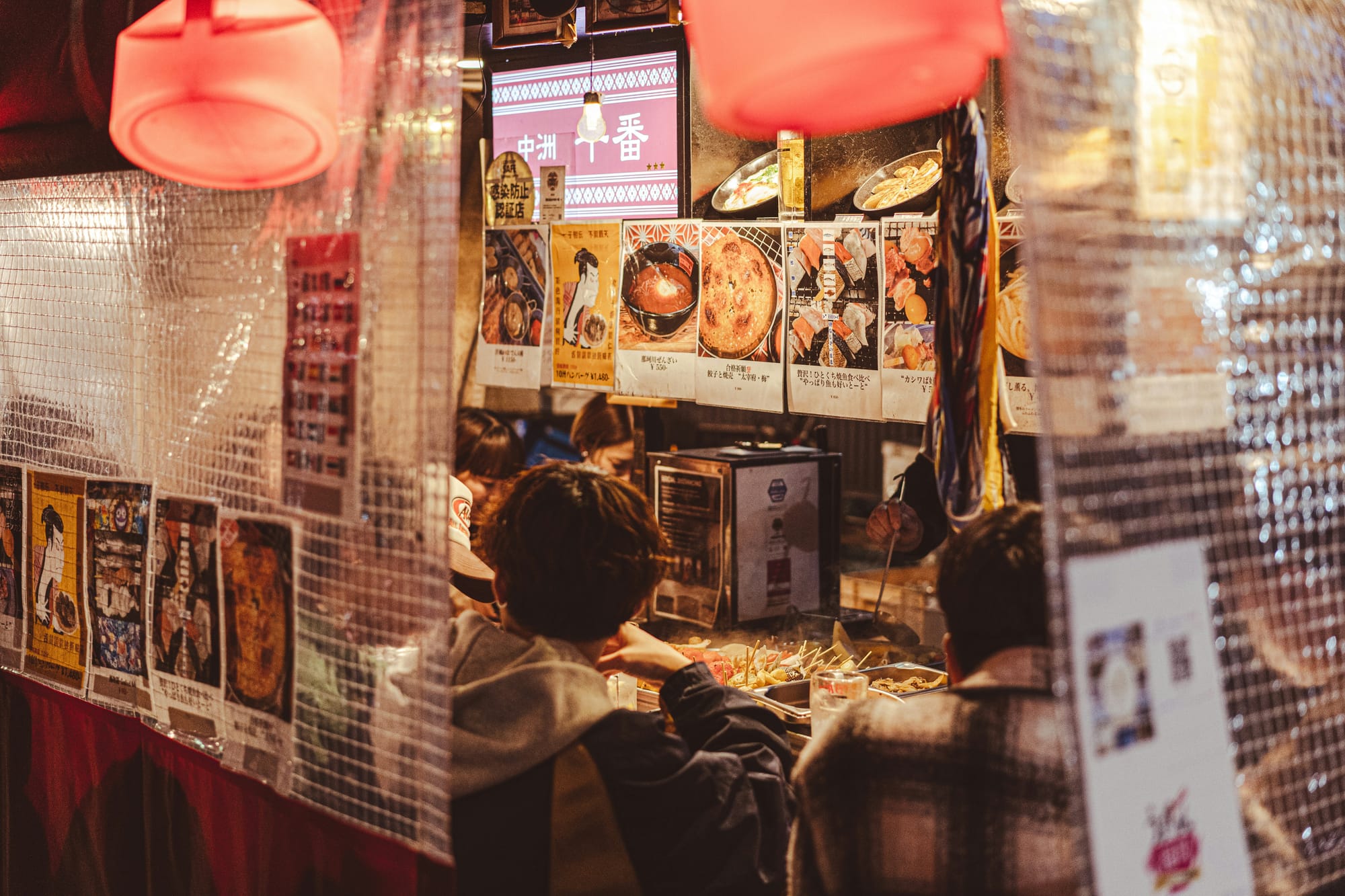
Not all great nights in Japan involve alcohol. Yatai, outdoor food stalls that set up at night, are a beloved institution, particularly in Fukuoka, which is considered the yatai capital of Japan. Dozens of stalls line the streets near the Nakasu and Tenjin areas from early evening, serving ramen, oden, yakitori, gyoza, and grilled seafood under a warm glow of lantern light. Most meals run ¥1,500 to ¥2,500 per person.
The atmosphere is convivial and informal. You sit elbow-to-elbow with strangers and are practically obliged to strike up a conversation. It's one of the most genuine local experiences you can have in Japan, and it doesn't require a reservation or a Japanese-speaking companion to enjoy.
Yatai are also found in Tokyo, Osaka, and other cities, though less densely than in Fukuoka. In Tokyo, the areas around Yurakucho and Shimbashi have long rows of small outdoor grill stalls under the train tracks, attracting office workers and visitors alike from dusk until late.
Yatai culture is just one part of what makes Japanese food nights so rich. For a broader guide to Tokyo's street food scene and how to navigate it, read our Tokyo food tour guide.
Nightlife Beyond the Bar: Onsen, Night Temples, and Late-Night Tokyo
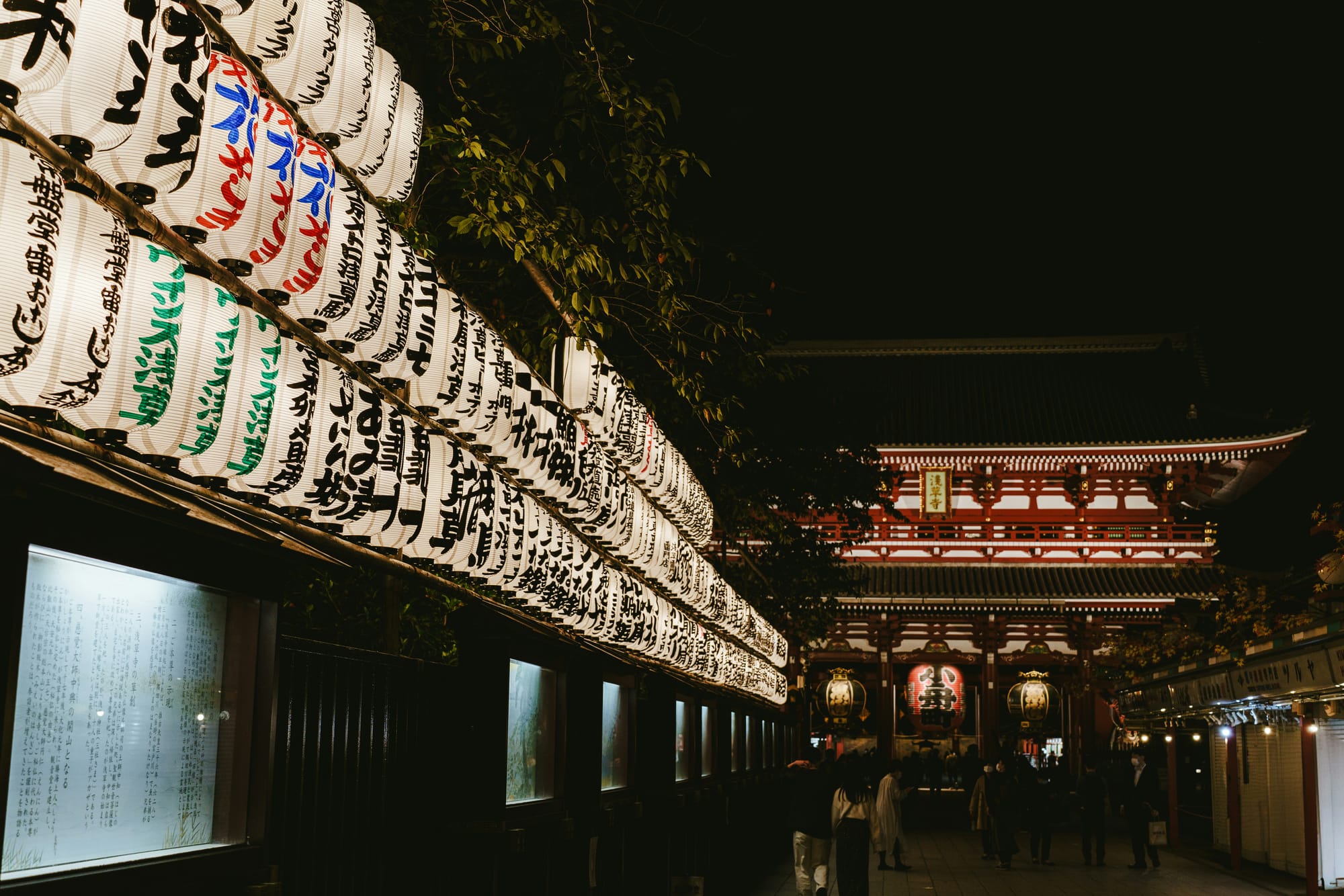
Japan's after-dark culture isn't limited to drinking. Some of the most memorable evening experiences in the country involve no alcohol at all.
Night onsen are one of Japan's great pleasures. Many public bathhouses (sento) and onsen facilities stay open until midnight or later, and the experience of soaking in a rooftop bath with a city glowing below is hard to match anywhere in the world. In Tokyo, city sento in neighborhoods like Shimokitazawa and Nakameguro offer a local alternative to the larger resort-style facilities.
Night temple visits are particularly worth seeking out in Kyoto, where several temples and gardens open for special illuminated evening events during spring cherry blossom and autumn foliage seasons. Kiyomizudera, Kodaiji, and Tofukuji are among those that host evening light-up events, atmospheric in a way that's genuinely distinct from the daytime experience.
And then there's Gion, Kyoto's historic geisha district, which transforms at dusk into something almost cinematic. While it's not a bar district, this area, with its wooden machiya townhouses, stone-paved lanes, and the occasional sight of a geiko or maiko heading to an engagement, is one of the most atmospheric places to take an evening stroll in all of Japan.
Exploring Nightlife Districts on Foot
Sometimes the best nightlife activity is simply walking through the right neighborhood after dark. Japan's entertainment districts come alive at night in a way that's quite different from the daytime experience, and strolling through them is almost a show in itself.
Shinjuku, Tokyo
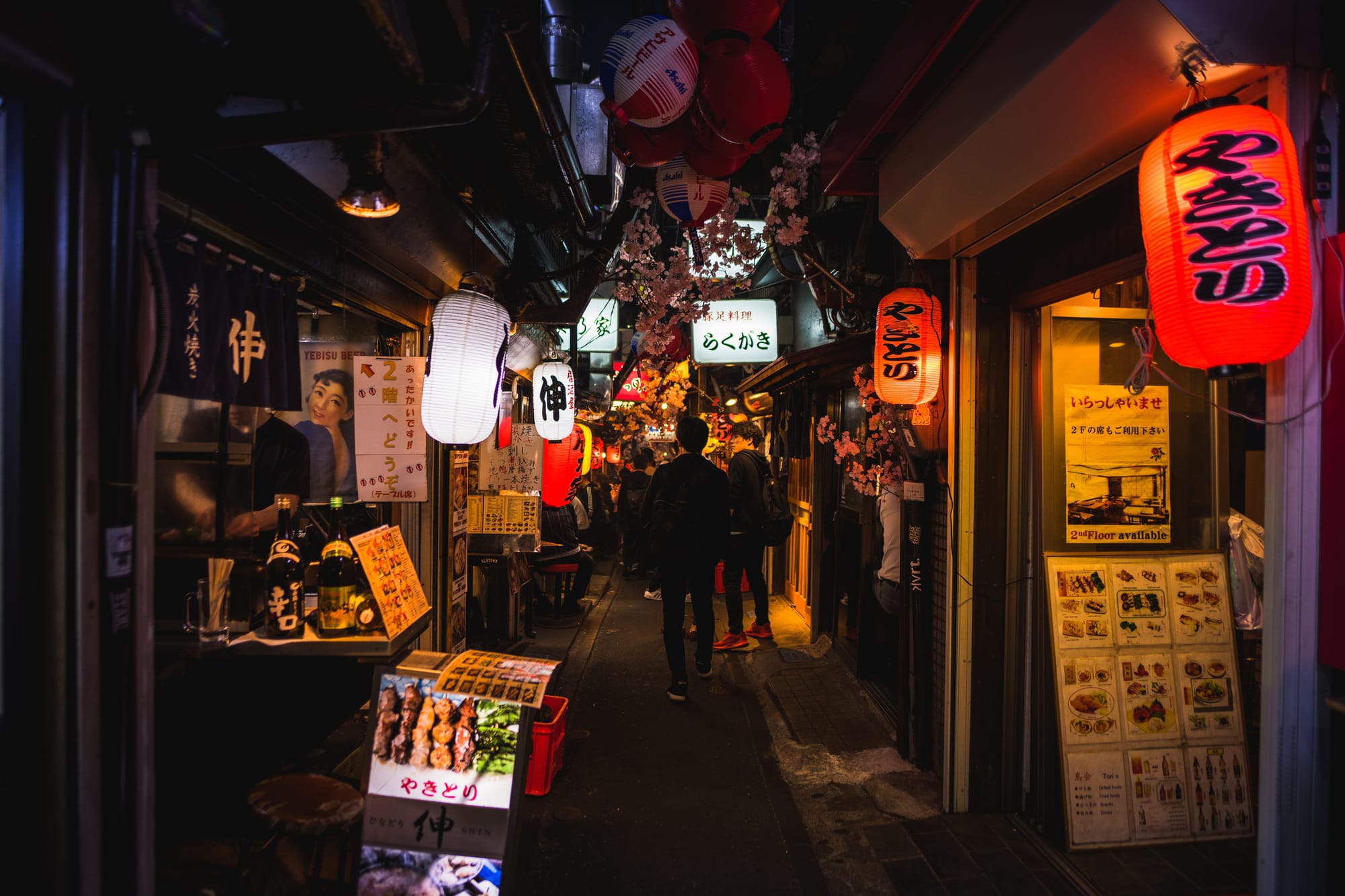
One of the world's great nightlife neighborhoods. The neon-lit streets of Kabukicho, the dense maze of tiny bars in Golden Gai, and the lantern-hung alley of Omoide Yokocho all sit within walking distance of one another, each with its own distinct atmosphere. It can be overwhelming on a first visit, but that's part of the experience.
Shibuya, Tokyo
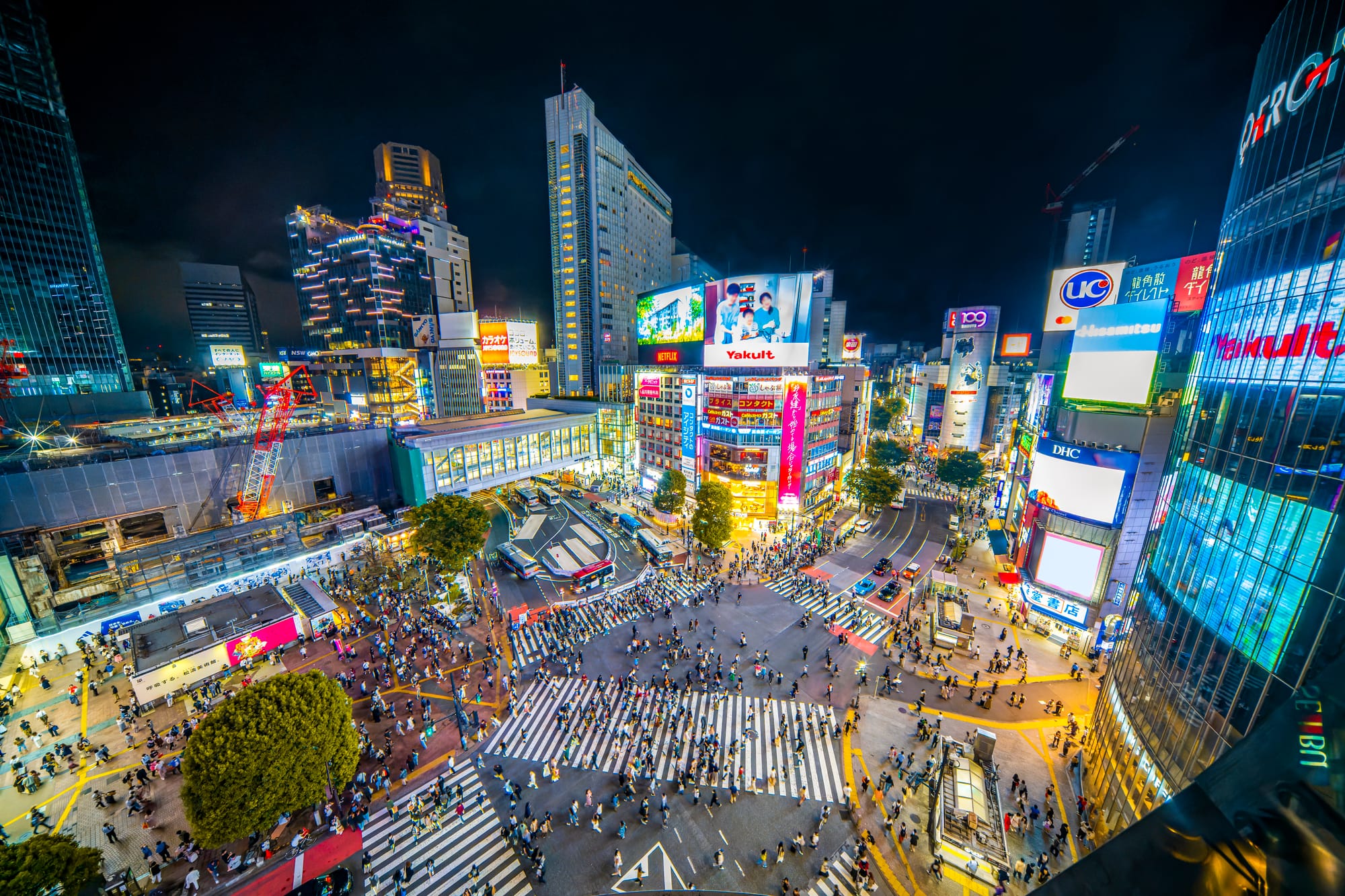
Another essential area. The famous Scramble Crossing, Center-Gai street, and the warren of bars and clubs beyond them create a buzzing energy that's hard to match anywhere in the world. Nonbei Yokocho, a quiet alley of tiny bars tucked behind the main Shibuya strip, is a gentler counterpoint to the neon chaos outside.
Dotonbori, Osaka
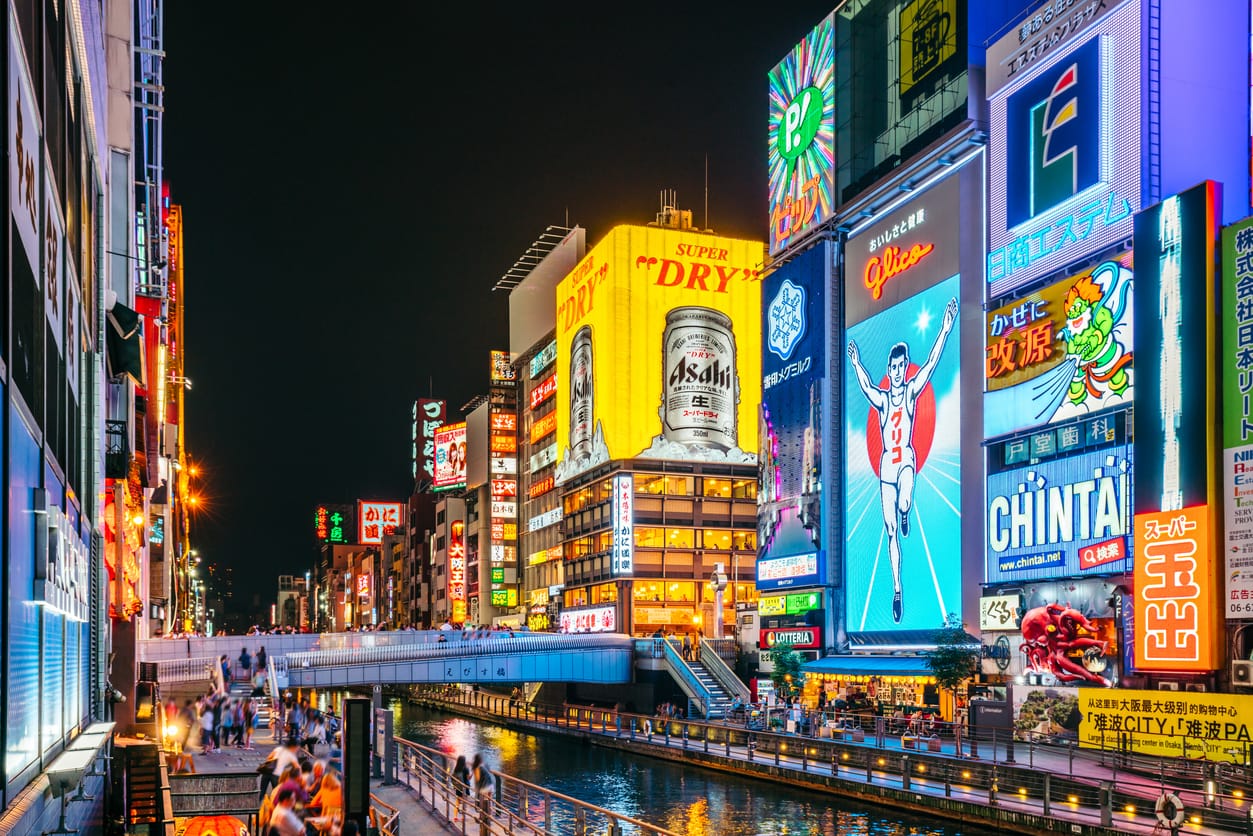
Osaka's answer to Shinjuku: a brightly lit, deeply atmospheric strip of restaurants, bars, and entertainment venues along the canal. Osaka has a reputation among locals as having the best food in Japan, and the nighttime izakaya scene here reflects that. Less polished than Tokyo but more immediately fun.
Gion, Kyoto
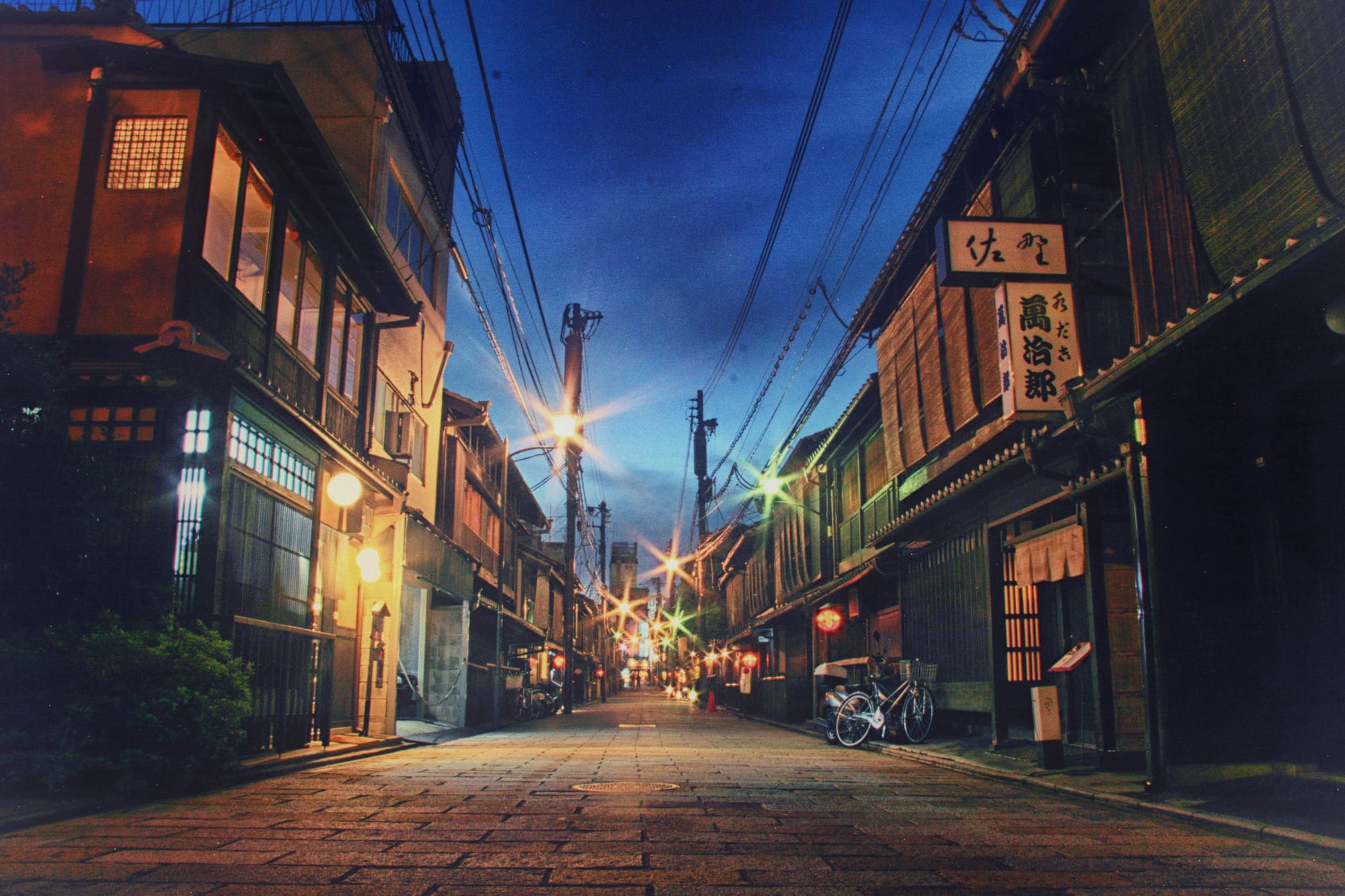
Kyoto's historic geisha district transforms at dusk into something almost cinematic. Not a bar district in the conventional sense, but one of the most atmospheric evening walks in Japan, particularly on weeknights when the tourist crowds thin and the lantern light takes over.
Practical Tips: Getting the Most from Japan's Nightlife
A few practical notes for navigating Japan's after-dark scene:
Drinking age
The legal drinking age in Japan is 20. Many bars and tour operators are strict about this, so carry a valid photo ID.
Cash vs. card
Many smaller izakayas and bars are still cash-only, so it's worth having some yen on hand before heading out. Golden Gai and yatai stalls in particular are almost entirely cash-based. Convenience store ATMs at 7-Eleven, Lawson, and FamilyMart reliably accept foreign cards.
Last trains
Tokyo's train network typically stops running around midnight to 1:00 AM depending on the line. It's worth knowing your last train time so you're not caught out, or alternatively, embrace the local tradition of going out until dawn and catching the first morning train. For a breakdown of how to navigate Tokyo's rail network affordably, see our Japan Rail Pass guide.
Language
Outside of tourist-facing establishments, menus and staff communication will often be in Japanese only. Google Translate's camera function can be a lifesaver, but the most seamless solution is to go with someone who speaks the language, which is another reason why a guided tour is such a good call for a first night out.
Safety and scam awareness
Japan is one of the safest countries in the world for nighttime exploring, and the vast majority of bars and venues are entirely legitimate. The one area that warrants some awareness is Roppongi and the fringes of Kabukicho in Shinjuku, where a small number of venues operate with undisclosed cover charges, inflated prices, or persistent touts outside. The rule is simple: don't follow anyone who approaches you on the street, and always check the price of drinks and any cover charge before sitting down. If something feels off, it's fine to leave.

Japan Nightlife FAQs
What is the best nightlife area in Tokyo?
Shinjuku is the most complete nightlife destination in Tokyo and arguably in the world. Within a ten-minute walk of Shinjuku Station you'll find Golden Gai (200 tiny themed bars), Omoide Yokocho (yakitori under lantern light), Kabukicho (Tokyo's main entertainment district), and some of the city's best whisky bars. For a younger, more fashion-forward crowd, Shibuya is the alternative. For something more local and less touristy, Shimokitazawa offers indie bars and live houses at lower prices.
Is Japan nightlife safe for tourists?
Japan is one of the safest countries in the world and its nightlife reflects that. Well-lit streets, a low violent crime rate, and reliable late-night transport make it genuinely comfortable to explore after dark, including as a solo traveler. The only areas that warrant extra awareness are Roppongi and the outer edges of Kabukicho in Shinjuku, where a small number of venues operate with hidden pricing. Stick to places you've researched, don't follow touts, and check prices before ordering, and the vast majority of nights out will be completely trouble-free.
How much does a night out in Japan cost?
A typical izakaya evening with food and drinks runs ¥2,000 to ¥4,000 per person. Golden Gai, with its cover charges and small bar format, costs around ¥2,000 to ¥3,000 per bar including two drinks. Budget ¥7,000 to ¥8,000 for a full evening visiting three bars. Karaoke starts at ¥500 to ¥1,500 per person per hour. Whisky bars run ¥1,500 to ¥3,000 per drink for quality pours. Clubs typically charge ¥2,000 to ¥4,000 entry including a drink ticket. An evening that combines izakaya, Golden Gai, and karaoke will typically cost ¥8,000 to ¥12,000 per person all in.
What is an izakaya?
An izakaya (居酒屋) is a Japanese gastropub: a casual eat-and-drink venue where small sharing plates are ordered alongside rounds of beer, sake, shochu, or whisky highballs. The word comes from i (to stay) and sakaya (sake shop), reflecting their origin as places where customers would linger over drinks with food. They range from tiny counter-only spots seating five people to large multi-floor chains. Many offer nomihodai (all-you-can-drink) plans. They are the backbone of Japan's social drinking culture and the single best introduction to the country's after-dark life.
What time do bars close in Japan?
Most izakayas and bars in Japan close between midnight and 2:00 AM on weeknights, and later on weekends, with some staying open until 4:00 AM or through to morning. Golden Gai bars typically run until 3:00 to 5:00 AM. Clubs in Shibuya and Roppongi run until 5:00 AM or later. Note that Tokyo's train network stops around midnight to 1:00 AM, so you'll need to plan around the last train or take a taxi if you're staying out past that point.
Do you need to speak Japanese to enjoy nightlife in Japan?
Not at all. Many of Japan's most enjoyable nightlife venues, including tourist-friendly Golden Gai bars, karaoke chains, izakaya chains, and most clubs, are entirely navigable without Japanese. For more local spots with Japanese-only menus, Google Translate's camera function handles most situations reasonably well. The most seamless option for a first night out is going with a guide who speaks both languages, which removes all the navigation pressure and lets you focus entirely on the experience.
What is the difference between an izakaya and a bar in Japan?
The main difference is food. An izakaya is always a food-and-drink venue; ordering food alongside your drinks is expected, not optional. A bar (バー, ba) in Japan typically focuses on drinks with minimal food, tends to be quieter and more intimate, and often specializes in a particular style: whisky, cocktails, wine, or sake. Bars are usually more expensive per drink than izakayas. Both are welcoming to visitors, but izakayas are generally the better starting point for a first night out in Japan.
Ready to Experience Japan After Dark?
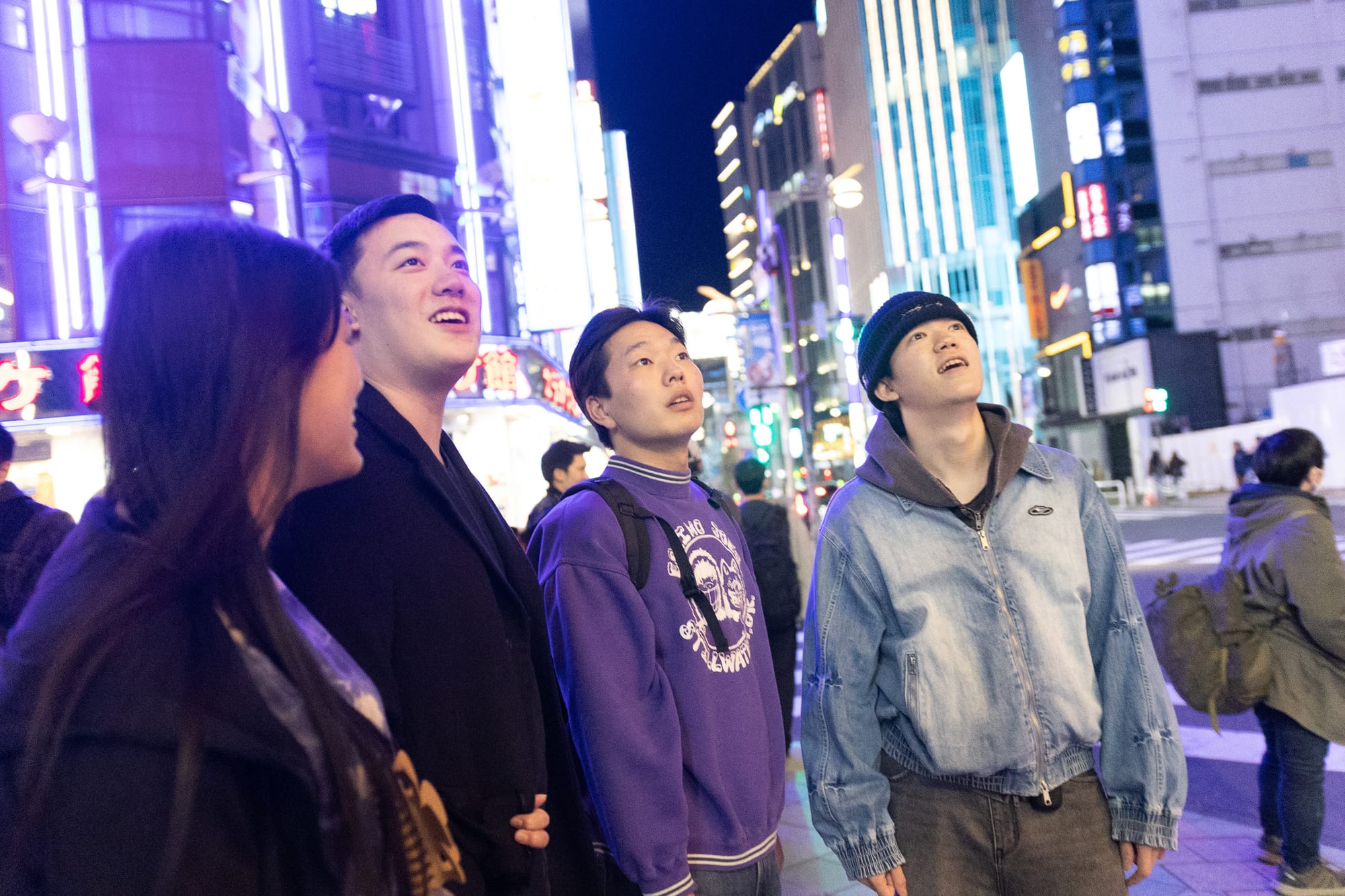
Japan's nightlife is endlessly varied, whether you're the type who wants to nurse a rare whisky in a hushed Ginza bar, belt out J-pop classics in a karaoke room, or graze through three izakayas in one night with a group of new friends. The trick is knowing where to look, and ideally, having someone in the know to show you around.

f you'd like to make your first (or next) night out in Japan an unforgettable one, TOMOGO!'s bar-hopping tours are a great place to start. With local guides leading the way across neighborhoods like Shinjuku, Shibuya, Asakusa, and Ueno, you'll get the izakaya experience at its most genuine: no awkward navigation, no guesswork, just a great night out. Browse TOMOGO!'s nightlife tours.
Japan at night is a completely different country. And it's one you won't want to miss.