
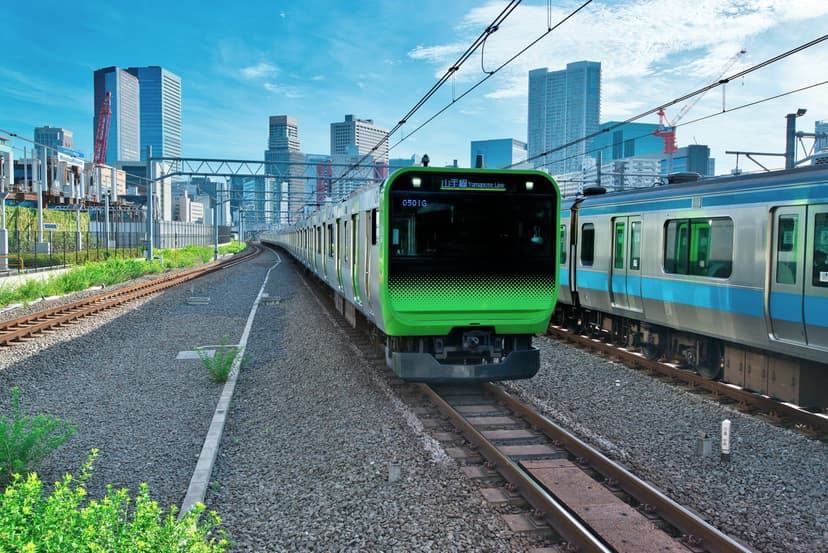

Is the Japan Rail Pass Worth It in 2026?
If you’re planning a trip to Japan, you’ll need to consider how to travel between all of the cities and destinations on your bucket list. You might be considering buying a Japan Rail Pass, but a recent price increase means that they might not be the most cost-effective way to travel around Japan. So is the Japan Rail Pass still good value for money?
If you are still in the early stages of planning your Japan itinerary and wondering what to do with your time in Tokyo once you arrive, our Tokyo food tours guide and Japan night life guide are good places to start.
What is the JR Pass?
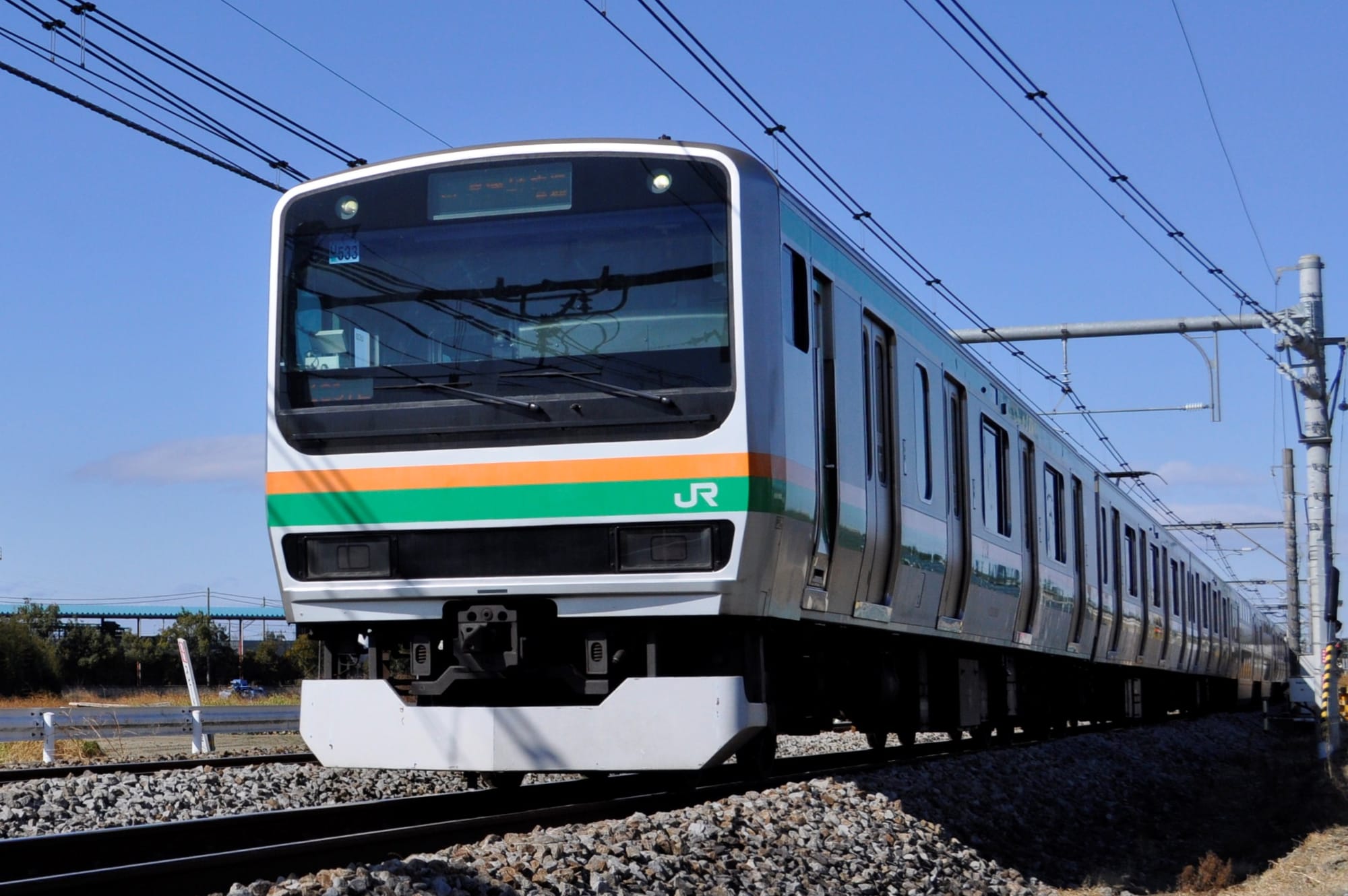
The JR Pass is a special ticket that offers visitors to Japan unlimited travel on any train line operated by Japan Railways, including most Shinkansen services.
Available as a 7, 14, or 21 day ticket, the JR Pass is mostly used for train travel but can also be used on several other modes of transport. These include local bus services operated by JR, the JR Ferry to Miyashima (a very popular side trip from Hiroshima), and the Tokyo Monorail between Haneda Airport and central Tokyo.
So Is the JR Pass Still Worth It in 2026?
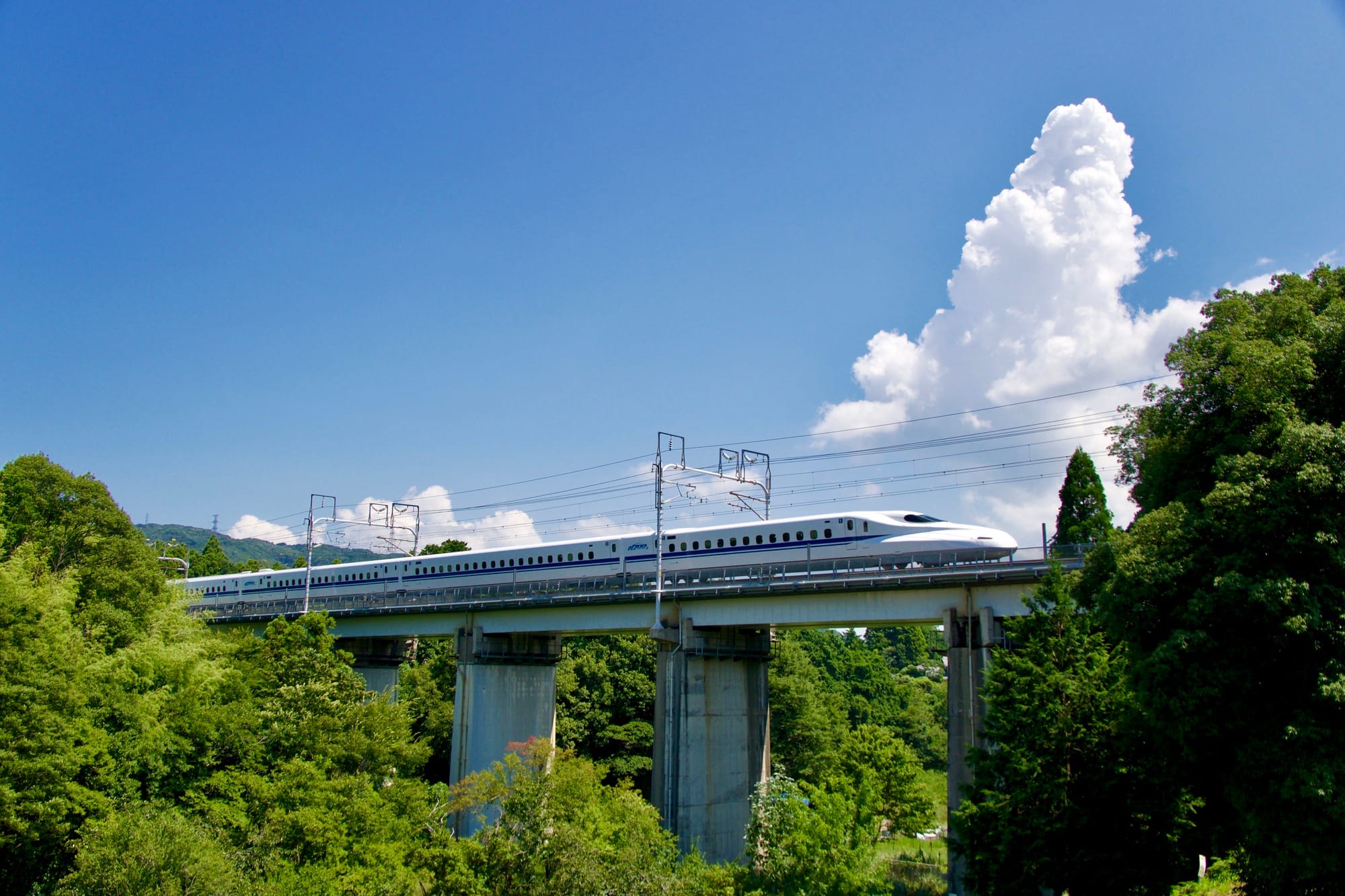
In 2023, Japan Railways dramatically increased the prices for the JR Pass, almost doubling the cost overnight. The price of a 7 day JR Pass rose from ¥29,650 to ¥50,000, the 14 day pass increased from ¥47,250 to ¥80,000, and the 21 day pass went from ¥60,450 to ¥100,000.
Before the price hike, the JR Pass offered incredible value for money, saving visitors to Japan a small fortune on long-distance travel. Today though, many travelers to Japan have found themselves asking if the JR Pass is still good value for money in 2026. The short answer is, it depends, but probably not.
To get your money’s worth out of the Japan Rail Pass you really need to make multiple journeys across the country by Shinkansen. This is especially true of the 7 day JR Pass, where you would essentially need to use the Shinkansen almost every day to fully justify the cost.
Otherwise, if you’re looking to save money on traveling in Japan, you may need to look at other alternatives, such as a regional rail pass.
Is the JR Pass Worth It for Your Route? A 2026 Fare Comparison
The easiest way to answer the question is to look at what the major Shinkansen routes actually cost in individual tickets, and compare those against the price of the pass. Here are the key routes and their approximate one-way fares in 2026:
| Route | One-Way (approx.) | Return (approx.) | Covers 7-day pass (¥50,000)? |
|---|---|---|---|
| Tokyo → Kyoto | ¥13,320 | ¥26,640 | ✗ Return falls ¥23,360 short |
| Tokyo → Osaka | ¥13,870 | ¥27,740 | ✗ Return falls ¥22,260 short |
| Tokyo → Hiroshima | ¥18,040 | ¥36,080 | ✓ Return alone covers the pass |
| Tokyo → Kanazawa | ¥13,850 | ¥27,700 | ✗ Return falls ¥22,300 short |
| Tokyo → Fukuoka (Hakata) | ¥22,950 | ¥45,900 | ✓ Return nearly covers the pass |
| Tokyo → Sapporo | ¥27,430 | ¥54,860 | ✓ Return exceeds the pass price |
| Tokyo → Morioka (Tohoku) | ¥14,810 | ¥29,620 | ✗ Return falls ¥20,380 short |
Fares are approximate 2026 prices for Hikari/Sakura Shinkansen services in Ordinary class. Nozomi and Mizuho services require an additional supplement — see note below. All fares subject to change; verify at japanrailpass.net or the JR website before purchasing.
One thing worth knowing before you book: the JR Pass does not include the Nozomi and Mizuho Shinkansen services, which are the fastest trains on the Tokaido and Sanyo lines between Tokyo, Kyoto, Osaka, and Hiroshima. JR Pass holders who want to ride these services must pay a supplement of approximately ¥4,960 per journey between Tokyo and Kyoto. The alternative is to use the Hikari or Sakura services, which run the same routes and are typically only 10–15 minutes slower. For most itineraries the difference is negligible, but it is worth factoring into your calculations if speed is a priority.
A Regional JR Pass Might Be a Much Better Option
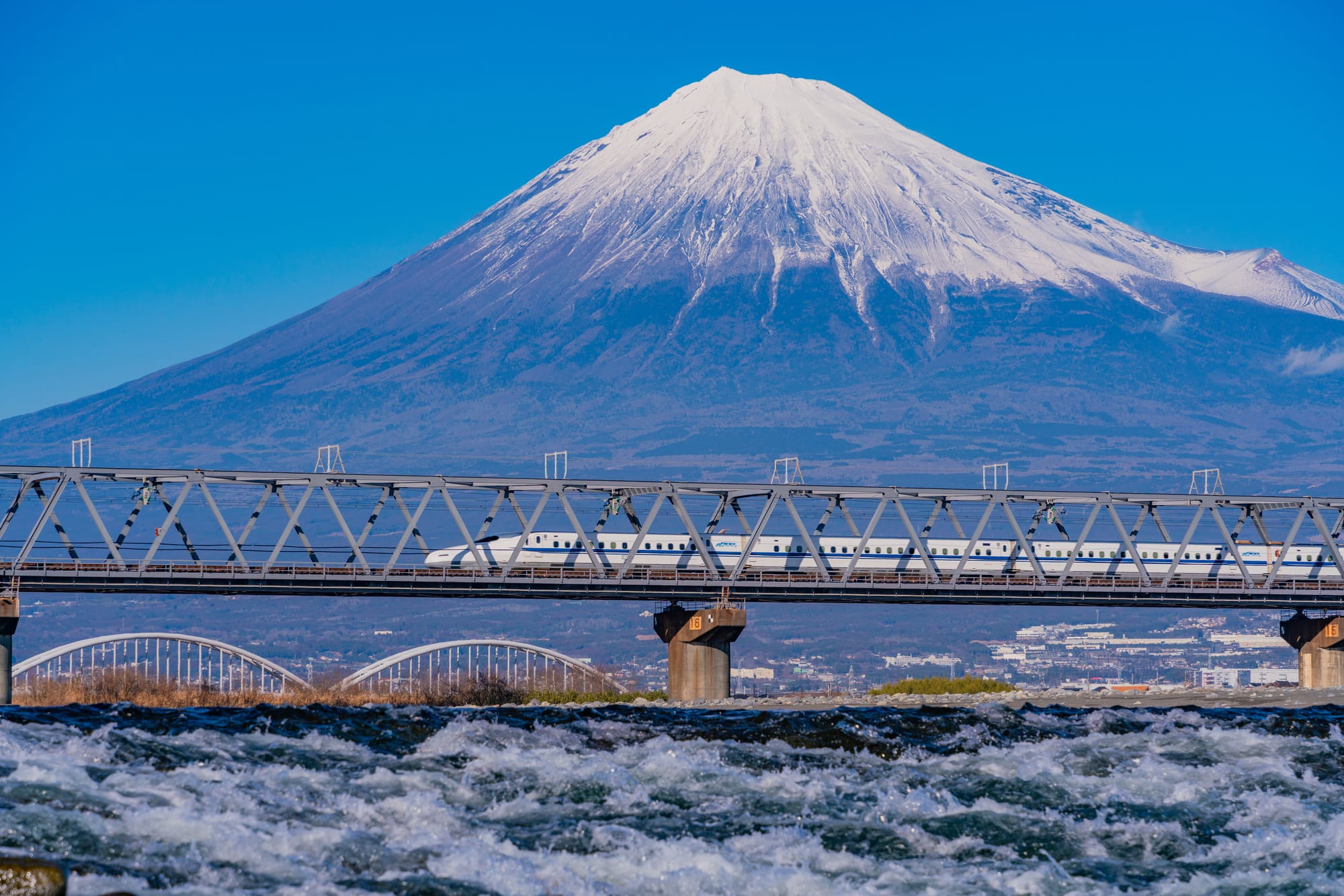
As the JR Pass is no longer the bargain it once was, one of the many regional JR passes that are available to tourists might offer much better value for money instead.
Japan Railways offers over 30 different types of regional passes that can be used on their transport network within specific areas in Japan. There are regional JR passes that cover all parts of Japan, from Hokkaido in the north right through to Kyushu in the south.
A regional JR rail pass could be a much better and more affordable option for you than the JR Pass in 2026, especially if you're planning a trip to Japan that is primarily focussed around one area, such as the Kansai region (around Kyoto and Osaka) or Tohoku in northern Japan.
The Best Regional JR Passes to Consider
If you’re looking to save money on travel in Japan but the price of the JR Pass is too much to swallow, here are some of the best regional JR passes to consider instead.
The Hokuriku Arch Pass
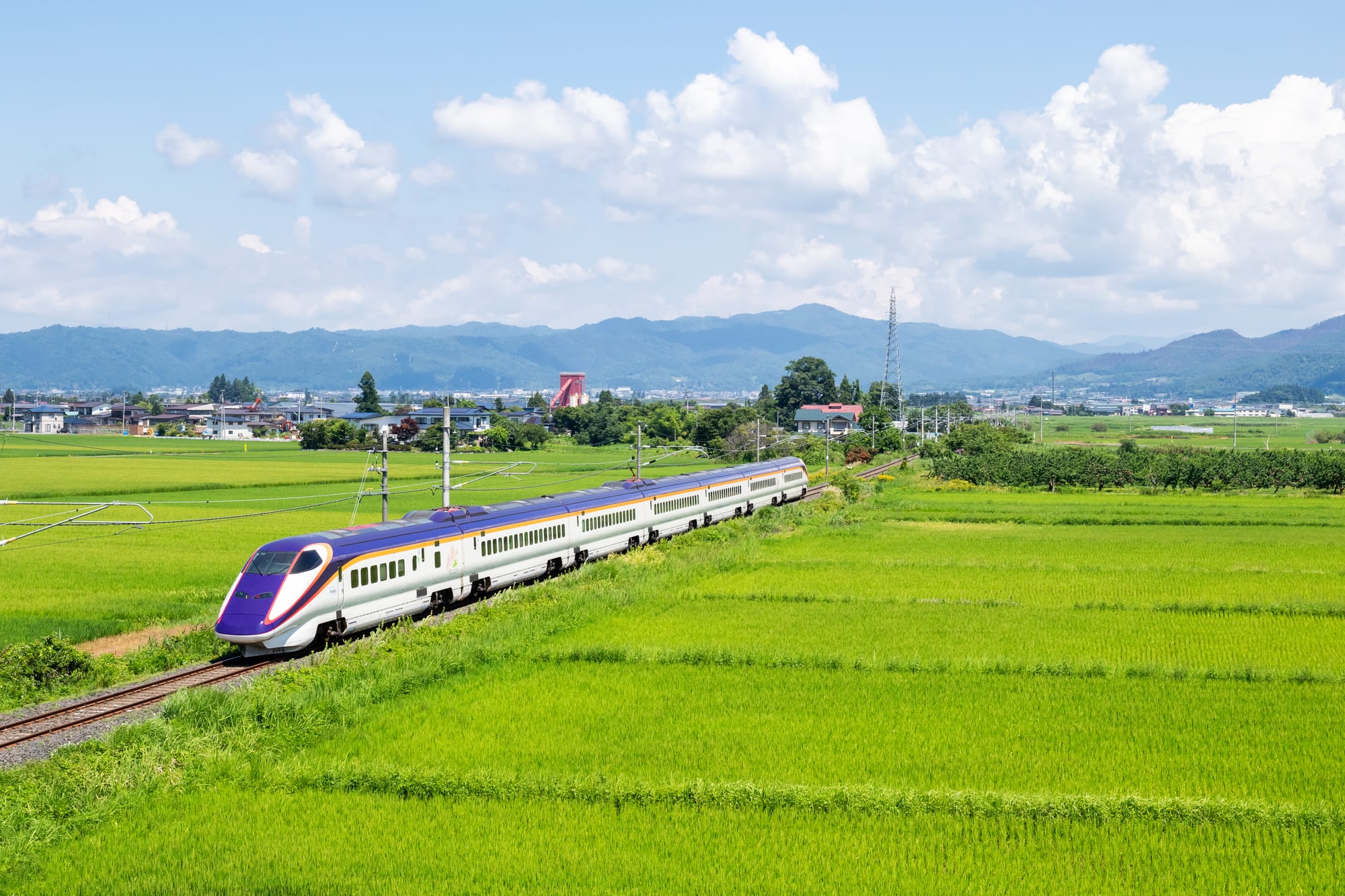
●Validity: 7 days
●Adults: ¥30,000 / Children aged 6 - 11: ¥15,000
The Hokuriku Arch Pass lets visitors travel on JR train lines between Tokyo and cities such as Kyoto and Osaka via the Hokuriku region along Japan’s north-west coast. With this pass you can travel on the Hokuriku Shinkansen between Tokyo and Tsuruga in Fukui Prefecture, via the beautiful city of Kanazawa.
You can then use all local JR trains from Tsuruga on to popular spots such as Kyoto, Nara, Osaka and Kobe. The Hokuriku Pass can also be used to travel on local JR trains in Tokyo and on the Tokyo Monorail to Haneda Airport.
It’s worth noting that the Hokuriku Pass cannot be used on the Tokaido Shinkansen, so if you want to return to Tokyo from Kansai you can only use the Hokuriku Shinkansen route via Kanazawa, rather than the more direct Tokaido Shinkansen.
Also, if you plan to travel from Kyoto onto Osaka or Kobe you would need to take local JR trains, which is an easy way to do this is to visit Nara from Kyoto for a day trip and then onto Osaka from there.
Who is the Hokuriku Pass For?
Making it easy to travel between the historic cities of Tokyo, Kanazawa, Kyoto, and Nara, the Hokuriku Pass is perfect for anyone wanting to take a deep dive into Japan’s rich culture.
Foodies will also be in for a treat, as Tokyo, Kanazawa and Osaka are some of the best places to eat in Japan.
Is it Value for Money?
Compared to paying for individual tickets for the same journeys, the Hokuriku Arch Pass is excellent value for money. A return trip from Tokyo to Kanazawa on the Hokuriku Shinkansen is ¥27,700, only just less than the cost of the Hokuriku Rail Pass.Once you add in the cost of any extra travel to other destinations that the pass covers you will definitely save money on fares.
Possible Alternatives:
While it can’t be used to travel in Tokyo, the 7 day JR Kansai Hokuriku Area Pass can be used on JR trains in more areas of western Japan, including Wakayama, Tottori and Okayama prefectures.
This pass can be used on part of the Hokuriku Shinkansen and bullet trains between Osaka and Okayama. Plus it’s also cheaper than the Hokuriku Pass at just ¥19,000 for adults and ¥9,500 for children aged between 6 and 11 years old.
Making it easy to travel between the historic cities of Tokyo, Kanazawa, Kyoto, and Nara, the Hokuriku Pass is perfect for anyone wanting to take a deep dive into Japan's rich culture. If you're planning to include Tokyo in your trip, our guide to things to do in Kichijoji and Akihabara guide cover two of the city's most distinctive neighborhoods.
The JR East Pass
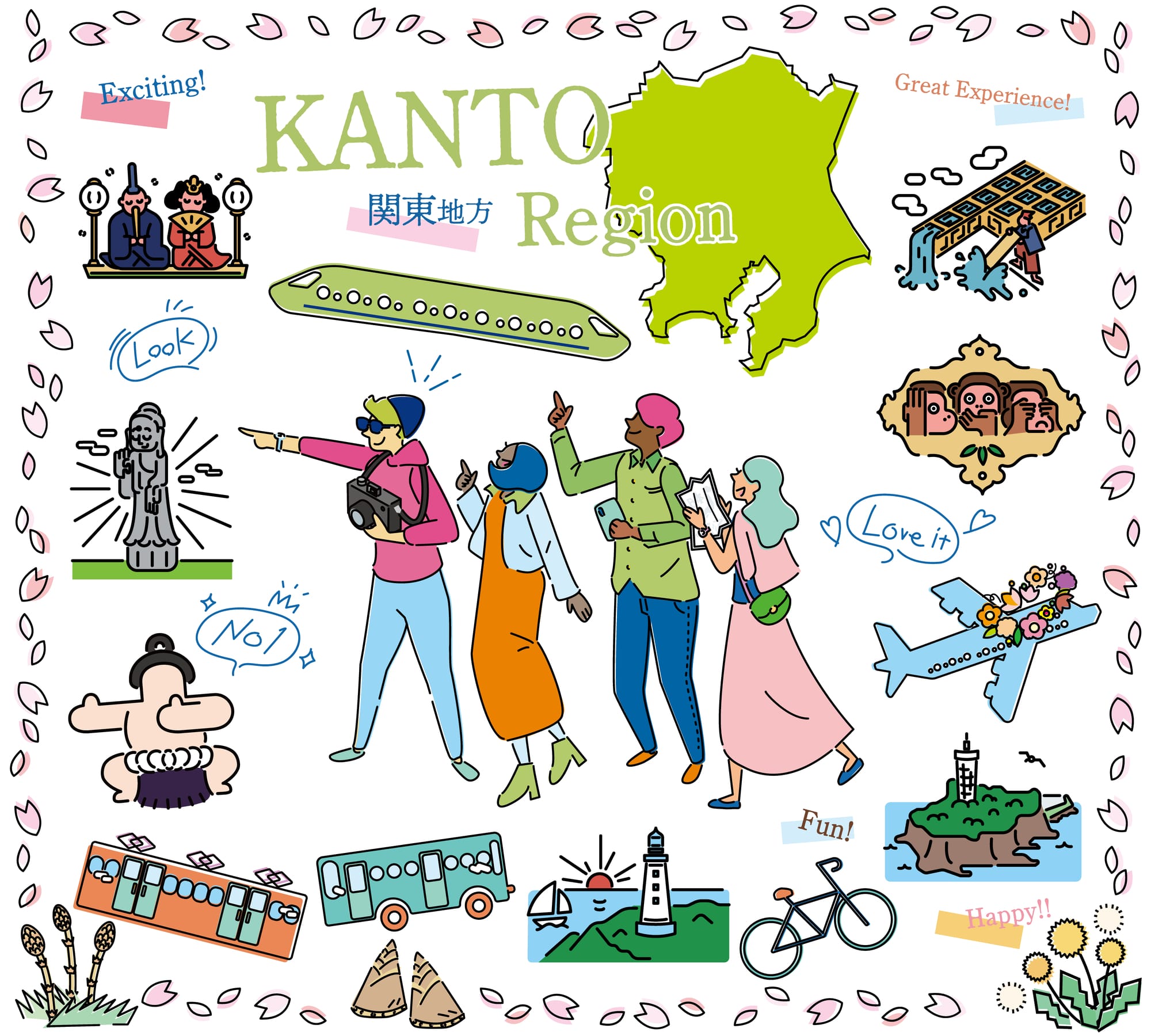
●Validity options: Available as a 5 day or 10 day pass
●5 day pass - Adults: ¥35,000 / Children aged 6 -11: ¥17,500
●10 day pass - Adults: ¥50,000 / Children aged 6 - 11: ¥25,000
Relaunched in March 2026, the JR East Pass offers unlimited travel on the entire JR East network, which covers a huge area of Japan, including all of the Kanto and Tohoku regions and parts of Chubu - 16 prefectures in total.
The JR East Pass can also be used on all local JR lines in Tokyo, plus the Tokyo Monorail for access to Haneda Airport.
Who is the JR East Pass For?
The JR East Pass is ideal for those wanting to explore some of lesser-visited parts of central and northern Japan, such as Akita, Iwate or Aomori prefectures, alongside more popular sites including Tokyo, Nikko, Kamakura and Kawagoe.
Is it value for money?
Absolutely. Given the volume of destinations it covers and the number of JR lines that it can be used on, the JR East Pass can save travelers a lot of money on train fares.
As an example, a regular round trip from Tokyo Station to Morioka Station by Shinkansen costs ¥29,620, while a return Shinkansen ticket from Tokyo Station to Niigata costs ¥20,460. These two trips alone cost almost the same as the 10 day JR East Pass.
Possible Alternatives:If you want to travel even further north, then the JR East-South Hokkaido Rail Pass covers the same area as the JR East Pass as well as southern Hokkaido, meaning that you could also travel to Hakodate, Sapporo and Otaru.
The Kansai-Hiroshima Area Pass
● Validity: 5 day pass
● Price: Adults: ¥17,000 / Children aged 6-11: ¥8,500
The Kansai-Hiroshima Area Pass covers travel on JR trains in almost all of the Kansai region, as well as the city of Takamatsu on Shikoku and destinations in parts of the neighboring Chugoku region, as far as Hiroshima.
The pass also lets you travel to lesser-visited gems on western Japan’s coastline, including Kinosaki Onsen, Tsuruga, and Tottori, which is famous for its sand dunes. You can also use this pass to travel on the JR ferry to the island of Miyajima.
Who is the Kansai-Hiroshima Area Pass For?
Because it can be used on the Sanyo Shinkansen services from Shin Osaka Station, the Kansai-Hiroshima Area Pass would be particularly useful for those staying in Osaka.
Because it is only a five day pass, it is probably best to be used for multiple easy day trips on the bullet train from Shin Osaka Station to the likes of Kobe, Himeji, Okayama and Hiroshima.
The Kansai-Hiroshima Area Pass is also great for those wanting to visit Kyoto and Nara (albeit by local JR lines only) or those looking to head off the tourist trail in quieter prefectures like Wakayama and Shiga.
Is it value for money?
It certainly is. The Kansai-Hiroshima Pass can save visitors to Japan a great deal of money, especially if it’s used for day trips from Osaka.
For example, a regular return trip from Shin Osaka to Hiroshima on the Shinkansen costs ¥20,840, which is more than the cost of the Kansai-Hiroshima Area Pass.
Possible Alternatives:
Should you want to spread your wings a little further, then the seven day JR WEST All Area Pass lets users travel as far as Kanazawa, along the Sea of Japan coast to Matsue and even as far as Hakata Station in Fukuoka in Kyushu.
Once you've sorted your rail pass, the next step is planning what to do when you arrive. Our Tokyo food tours guide covers everything from early-morning Tsukiji market tours to late-night izakaya crawls and includes a breakdown of the best neighborhoods for each type of experience.
Japan Rail Pass FAQs
Is the Japan Rail Pass worth it for a 7-day trip?
It depends entirely on how much ground you plan to cover. The 7-day pass costs ¥50,000, which means you need to accumulate approximately ¥50,000 in individual Shinkansen fares within those seven days to break even. A simple Tokyo–Kyoto return (¥26,640) falls well short of that. To make the 7-day pass pay off, you typically need at least three major intercity Shinkansen journeys — for example, Tokyo to Kyoto, Kyoto to Hiroshima, and Hiroshima back to Tokyo. If your itinerary only takes in two cities, individual tickets will almost certainly be cheaper.
What does the Japan Rail Pass not cover?
Several important services are excluded. The Nozomi and Mizuho Shinkansen, which are the fastest services on the Tokaido and Sanyo lines, require a supplement of approximately ¥4,960 per journey. The Tokyo Metro and other private subway systems are not covered — you will need a Suica or Pasmo IC card for city transport. Private railways such as Kintetsu (Osaka to Nara), Hankyu (Osaka to Kyoto), and Odakyu (Tokyo to Hakone) are also excluded. Always check whether the specific trains on your itinerary are JR-operated before relying on the pass.
Can I use the JR Pass on the Nozomi Shinkansen?
Not for free. JR Pass holders can board Nozomi and Mizuho services by purchasing a supplement ticket, but the additional cost per journey — around ¥4,960 between Tokyo and Kyoto — will erode the value of the pass quickly if used regularly. The alternative is to use Hikari or Sakura services on the same routes, which run the same tracks and are typically only 10–15 minutes slower. For most leisure itineraries, the time difference is not meaningful.
Should I buy my JR Pass before October 2026?
If you are purchasing through an overseas travel agent or a third-party platform, yes. From October 1, 2026, agency prices will increase by approximately 6–7% while the official JR website retains current pricing. If you plan to buy through an agent, purchasing before October 1 locks in the lower price. If you are buying directly through the official JR Group website, the price change does not affect you.
Is the Japan Rail Pass better than buying individual Shinkansen tickets?
For most visitors doing a standard Tokyo–Kyoto–Osaka itinerary, individual tickets are now cheaper than the 7-day JR Pass. The pass makes financial sense primarily for itineraries covering long distances across multiple regions in a short time — for example, combining Tokyo, Tohoku, and Kyushu within a week, or making several Shinkansen journeys to regional destinations beyond the main Golden Route. Use the fare comparison table above or the JR route search tool to add up your specific journeys before deciding.
What is the difference between the JR Pass and a regional JR pass?
The national JR Pass covers all JR-operated lines across Japan, including most Shinkansen services, for a flat fee across the pass period. Regional JR passes cover a defined geographic area — for example, eastern Japan (JR East Pass), the Kansai and Hiroshima area (Kansai-Hiroshima Pass), or the Hokuriku corridor (Hokuriku Arch Pass) — at a significantly lower price. If your trip is focused on one part of Japan, a regional pass will almost always offer better value than the national pass.

Ready to purchase a JR Regional Pass but not sure where to go?
TOMOGO! has tours available across Japan, designed to help you make the most of the Kansai Regional Pass.