
Tokyo Food Tours 2026: The Honest Guide to Finding the Best Ones
Planning a Japan food tour and not sure where to start? You're not alone. Tokyo has over 150,000 restaurants — more than any other city on earth — and narrowing it down can feel genuinely overwhelming. A good Tokyo food tour cuts through the noise and drops you straight into the dishes, neighborhoods, and flavors that matter most.
But not all tours are created equal. Some are tourist traps repackaged with a "local experience" label. Others are genuinely brilliant — the kind that change the way you think about Japanese food entirely.
We've put together this guide to help you find the best Tokyo food tours for your travel style, budget, and appetite. From early-morning Tsukiji market tours to late-night izakaya crawls in Shinjuku's backstreets, here's everything you need to know before you book.
Why Take a Tokyo Food Tour?
You might be wondering whether a guided food tour is worth it when you could just wander and eat on your own. Fair question.
Here's the honest answer: Tokyo's best food is often hidden behind sliding doors with no English menus, down quiet alleyways, or inside buildings that look like office blocks from the outside. A knowledgeable guide doesn't just order for you — they explain the regional history behind each dish, help you navigate ordering etiquette, and take you to places you'd almost certainly walk past.
For any self-described Japanese foodie, a tour also provides valuable context. Understanding why a particular ramen broth takes 18 hours, or how Tokyo's sushi culture differs from Osaka's, makes every meal for the rest of your trip more meaningful.
That said, not every tour deserves your time or money. The key is matching the right tour type to the right neighborhood.
Best Tokyo Food Tour Neighborhoods
Tokyo is a city of distinct neighborhoods, each with its own food identity. The best Tokyo food tours lean into this and focus on a single area rather than trying to cover the whole city in three hours.
Tsukiji Outer Market
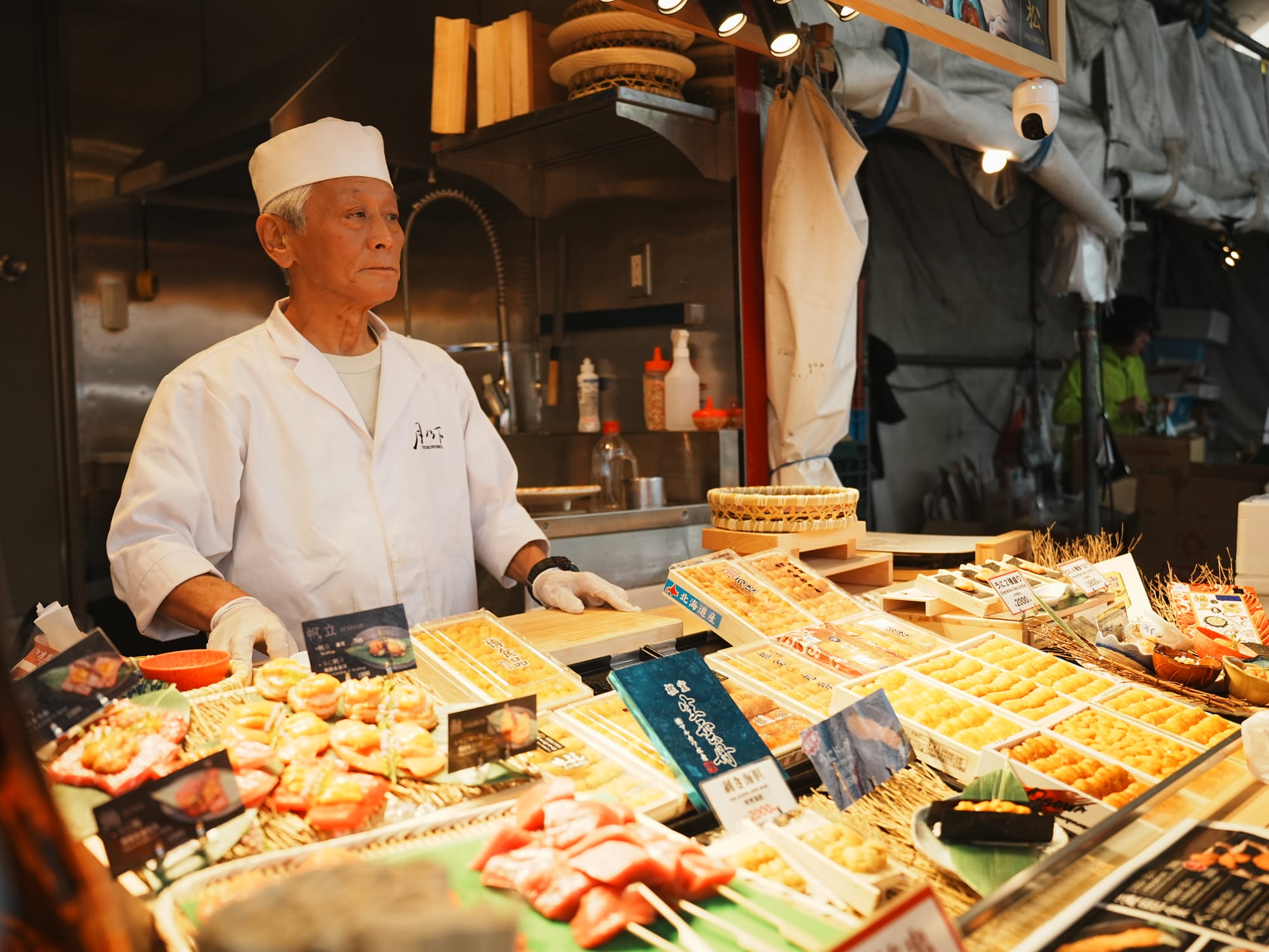
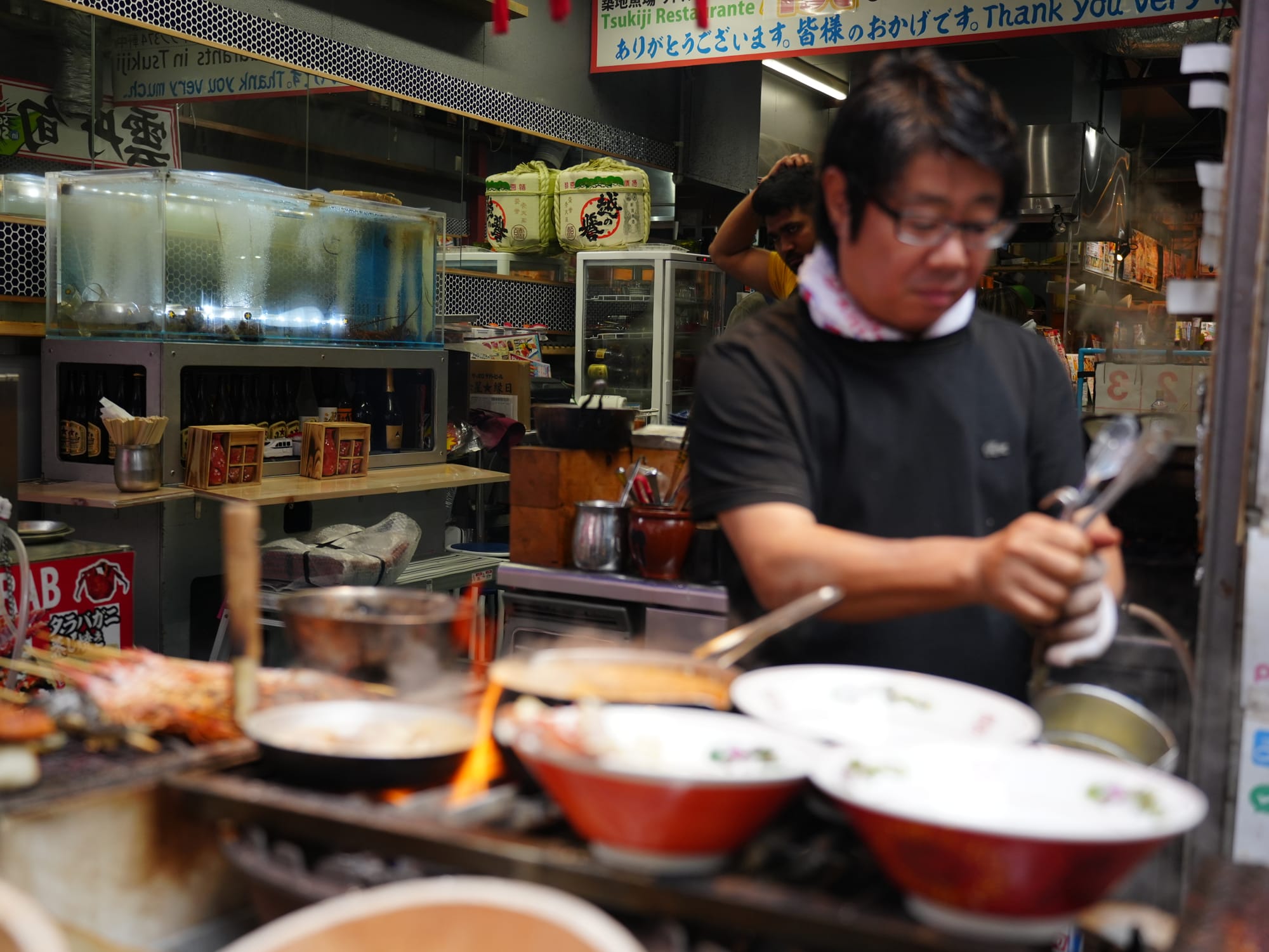
If you only take one food tour in Tokyo, make it a Tsukiji market tour. The inner wholesale market moved to Toyosu in 2018, but the outer market remains one of the most vibrant food destinations in the city. Over 400 shops and stalls line the narrow lanes, selling everything from fresh uni (sea urchin) and tamagoyaki (Japanese rolled omelette) to matcha desserts and dried seafood.
A guided Tsukiji fish market tour typically runs 2–3 hours and includes 8–12 tastings. Good tours cover the history of the market — it's been a centre of Tokyo's food culture since the 1930s — and introduce you to vendors by name. That personal connection means you'll taste things that aren't on the counter for passing tourists. If you're looking for an introduction to Tsukiji, our Fresh Flavors of Tsukiji tour is a great place to start.
What you'll eat: Fresh sashimi, grilled scallops, tamagoyaki, mochi, seasonal fruit, and usually a bowl of the freshest seafood rice bowl (kaisendon) you've ever had.
Best for: Morning people. Most Tsukiji tours start between 8:00 and 10:00 AM, when the market is liveliest.
Toyosu Fish Market
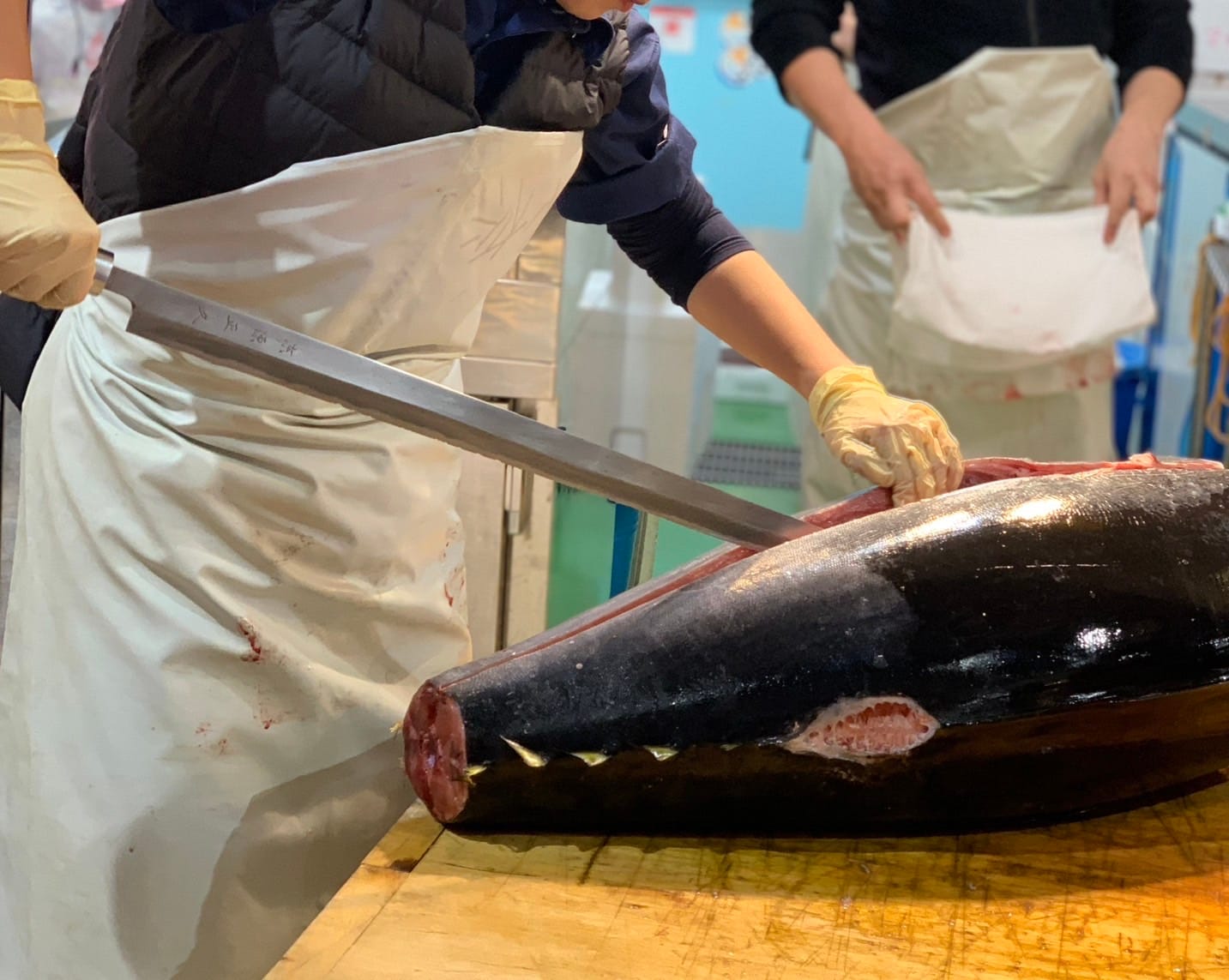
For anyone specifically interested in a Tokyo fish market tour that includes the famous tuna auction, Toyosu is where you need to be. The auction viewing gallery opens early — you'll want a tour that starts around 5:30 AM — and it's a genuine spectacle watching massive bluefin tuna sold for thousands of dollars in minutes.
Toyosu is more of a wholesale operation than a street food destination, so most tours combine the market visit with breakfast at one of the sushi restaurants inside the complex. The sushi here is outstanding and surprisingly affordable for the quality.
Best for: Early risers who want to see Tokyo's commercial fishing industry in action, not just eat their way through it.
Shinjuku & Golden Gai
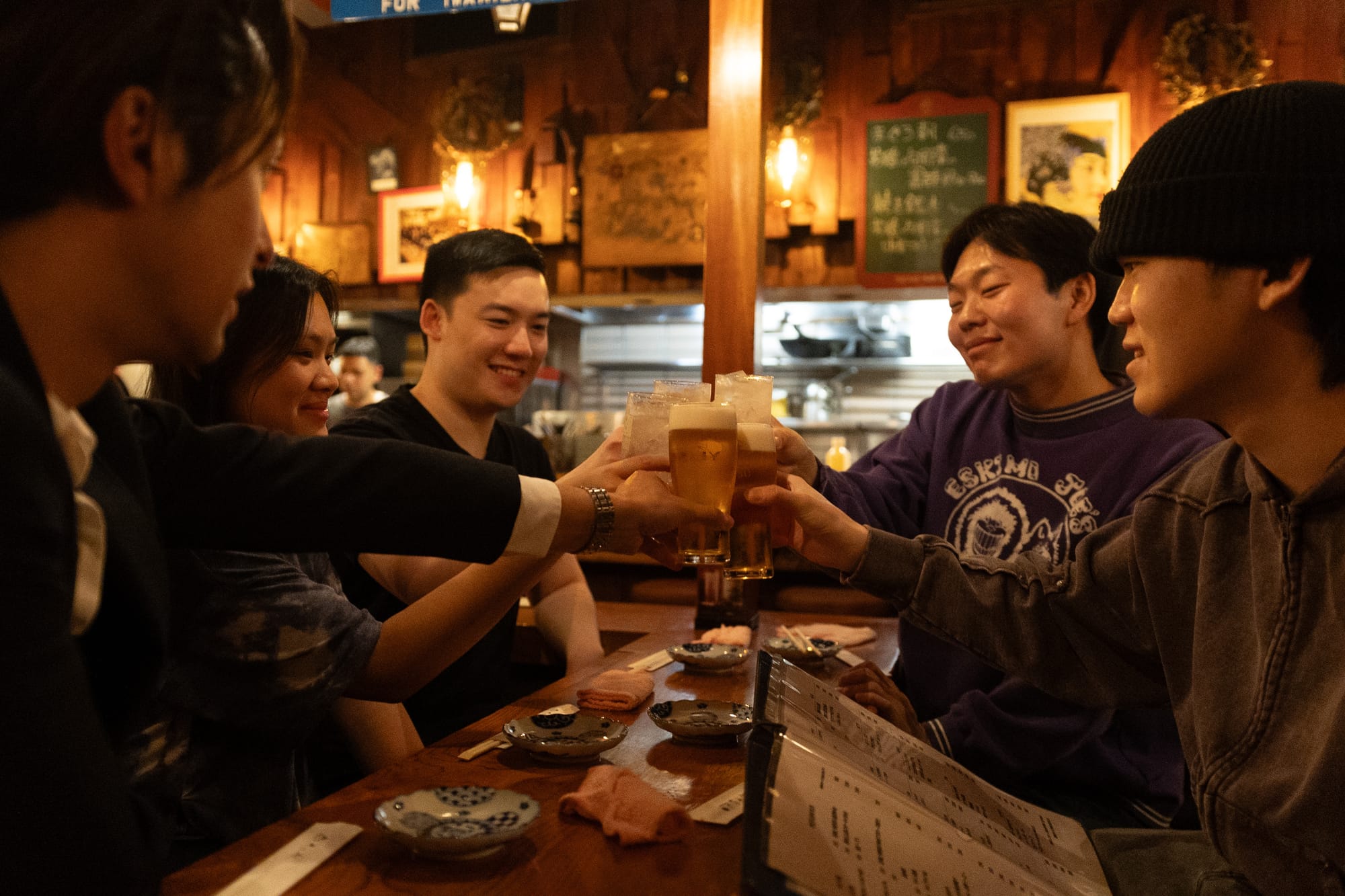
Shinjuku comes alive at night, and a food-focused evening tour through its backstreets is one of the best experiences in Tokyo. The area around Omoide Yokocho (Memory Lane) and Golden Gai is packed with tiny yakitori joints, ramen counters, and standing bars that seat six people at most.
This is where the Tokyo food and drink tour concept really shines — combining food and drinks into one flowing evening. You'll typically visit 3–4 venues, eating yakitori skewers at one, sipping highballs at another, and finishing with a bowl of late-night ramen. Guides handle the social navigation, which is genuinely helpful in Golden Gai's more intimate bars where unaccompanied tourists sometimes get turned away. If you want to experience this side of Tokyo with someone who belongs there, our Shinjuku bar-hopping tour is a good place to start.
What you'll eat and drink: Yakitori, motsu-nikomi (stewed offal — better than it sounds), Japanese whisky highballs, shochu, and ramen.
Best for: Night owls and anyone who wants to experience Tokyo's izakaya culture with confidence.
Yanaka & Yanesen
Yanaka is one of Tokyo's few neighborhoods that survived the wartime bombings largely intact. The result is a peaceful, retro atmosphere with traditional shops, small temples, and a charming shopping street called Yanaka Ginza.
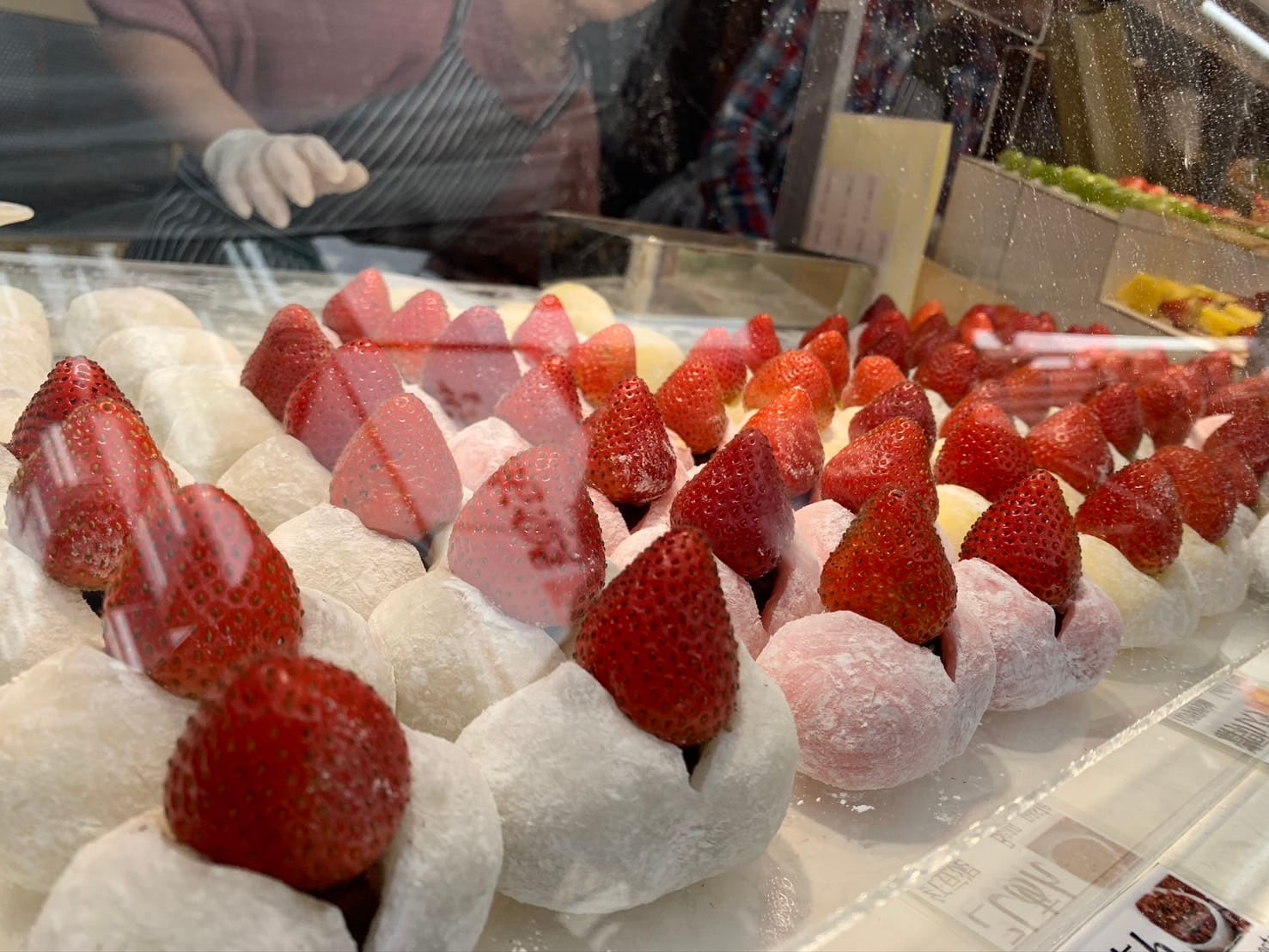
Food tours here tend to be quieter and more cultural. You'll sample traditional Japanese snacks — senbei (rice crackers) grilled to order, hand-shaped onigiri, seasonal wagashi (Japanese sweets) — while learning about the neighborhood's Edo-period roots. It's a completely different pace from the sensory overload of Tsukiji or Shinjuku.
Best for: Travelers who prefer a slower, more thoughtful experience. Also a great option for lunch in Tokyo Japan that combines food with sightseeing.
Asakusa
Asakusa's Nakamise-dori shopping street leading to Sensoji Temple is one of Tokyo's most famous sightseeing spots, but the real food action happens on the side streets. A good Asakusa food tour takes you past the tourist stalls and into local tempura restaurants, soba noodle shops, and traditional kissaten (Japanese coffee houses).
The area is particularly known for its old-school Tokyo comfort food: thick, crispy tempura, cold soba with a rich dipping sauce, and melon pan (sweet bread) fresh from the oven.
Best for: First-time visitors who want to combine iconic sightseeing with authentic local food.
Tokyo Street Food Tours
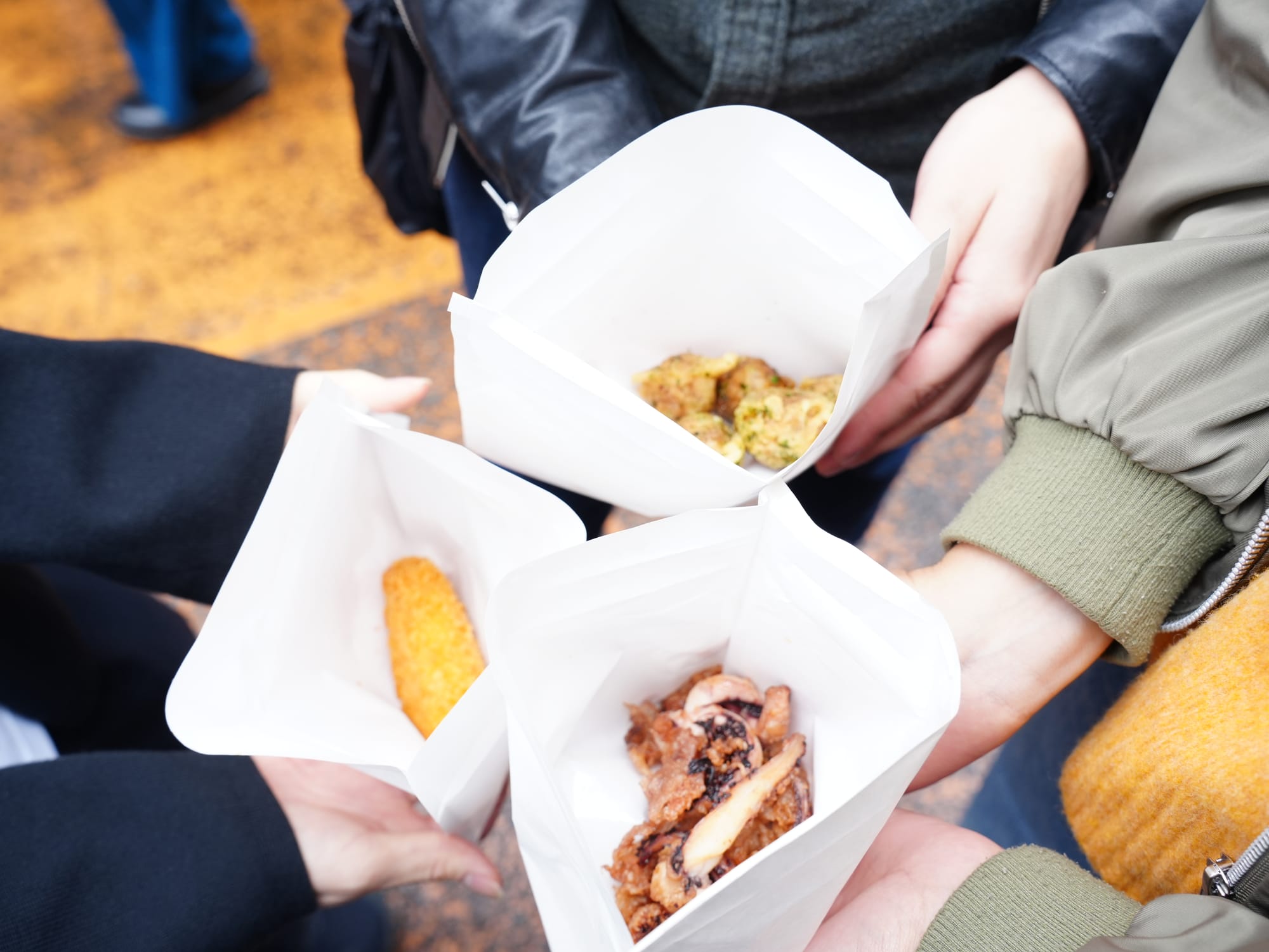
If you've ever wandered past a row of smoking grills and wondered what everyone else is eating, a dedicated street food tour is the answer. Where a sit-down restaurant tour moves you between tables, a Tokyo street food tour keeps you on your feet — grazing, snacking, and moving through a neighborhood at the pace of someone who actually lives there.
The format suits Tokyo particularly well. Unlike cities where street food is concentrated in a single market or plaza, Tokyo's best bites are scattered: a taiyaki (fish-shaped waffle) cart tucked behind a shrine, a grilled corn stall that only appears on weekday evenings, a senbei shop that's been run by the same family since the 1960s. You could stumble across all of these on your own — or you could go with someone who knows exactly where they are and what to order.
Good Tokyo street food tours typically cover 6–10 stops over two to three hours, with small tastes at each rather than full portions. The best ones thread food into the fabric of the neighborhood — so you're not just eating, you're learning why this particular style of fish cake is a Shitamachi (old Tokyo) tradition, or how to spot the difference between a tourist-facing stall and the one the locals actually queue for.

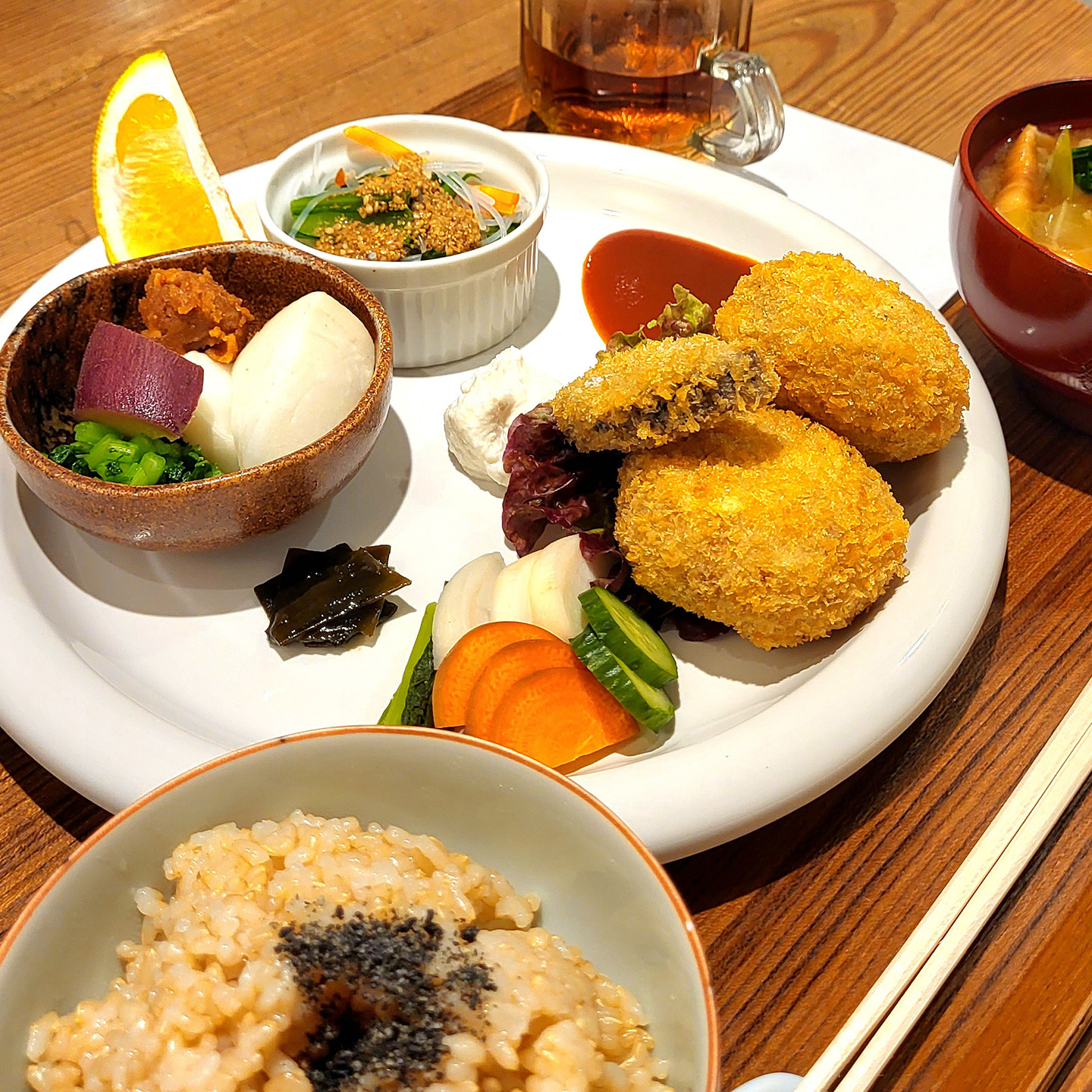
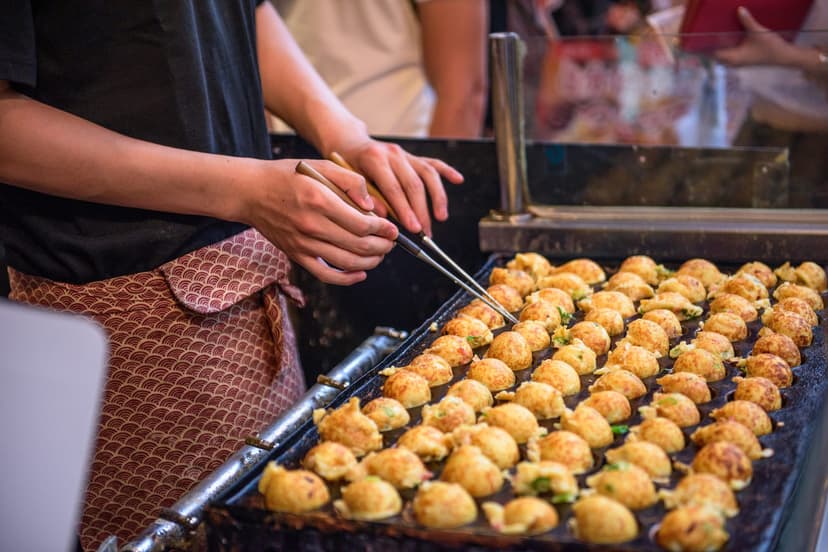
What you'll eat: Yakitori (grilled chicken skewers), taiyaki, takoyaki (octopus balls, more associated with Osaka but found across Tokyo), fresh tamagoyaki, seasonal mochi, and — if your guide knows where to look — things that don't have a neat English translation but are absolutely worth trying.
Best neighborhoods for a street food tour: Tsukiji Outer Market and Asakusa are the most popular, and for good reason. But Koenji, Kiyosumi-Shirakawa, and the streets around Nakameguro are increasingly turning up on the itineraries of guides who want to show you something the guidebooks haven't caught up with yet.
Best for: Anyone who'd rather eat standing up than sitting down. Also ideal for travelers with limited time who want maximum variety — a good street food tour packs in more flavors per hour than almost any other format. Take a look at our Tokyo food tours to find the format that fits your trip.
Types of Japan Food Tours
Not all foodie tours in Japan follow the same format. Here's a breakdown of the most popular styles so you can pick the right one.
Walking Food Tours
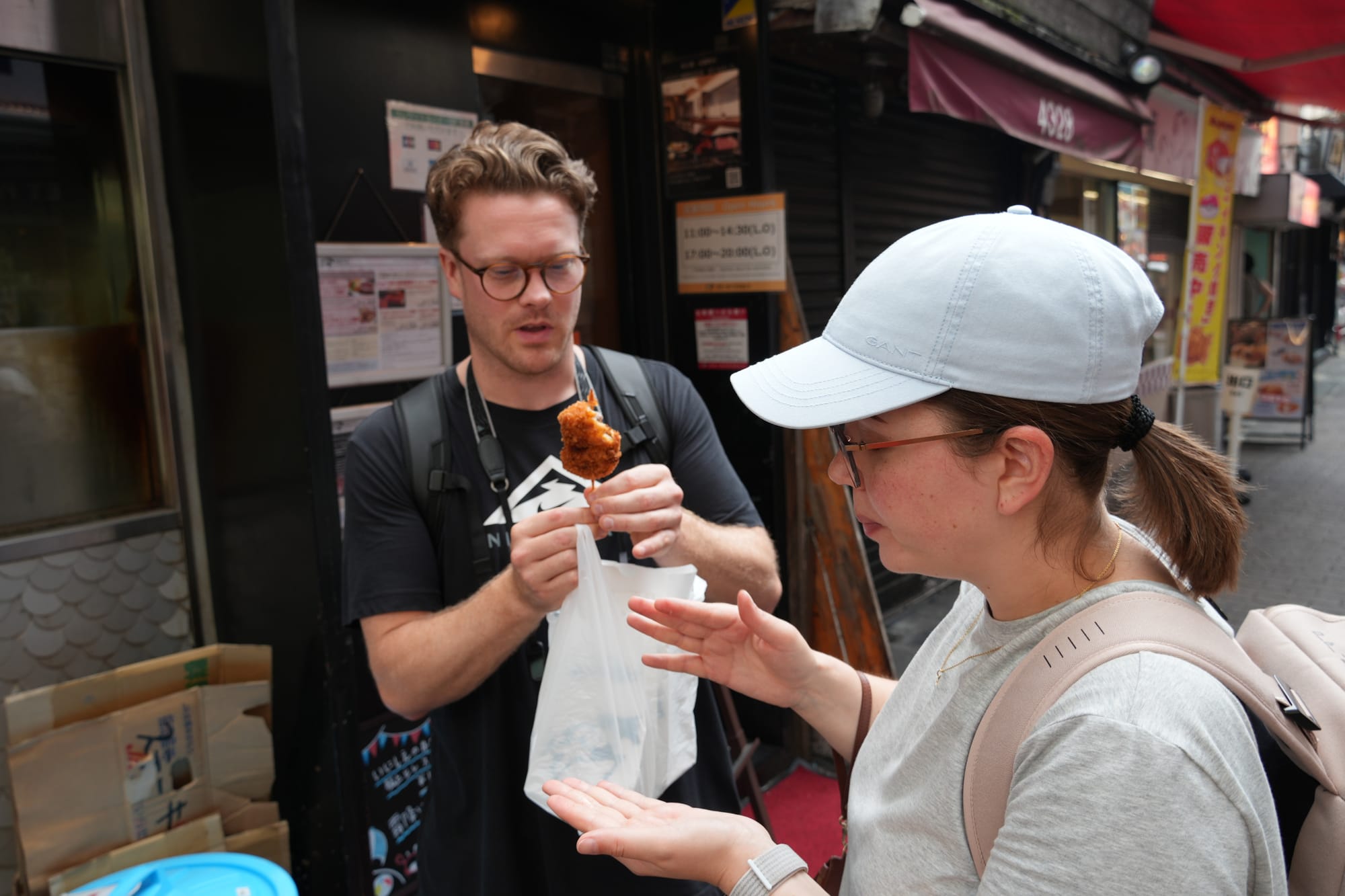
The most common format. You'll walk between 4–8 food stops over 2–4 hours, tasting a variety of dishes along the way. These work best in dense, walkable neighborhoods like Tsukiji, Asakusa, and Yanaka.
Price range: ¥8,000–¥15,000 per person, usually with all food included.
Cooking Classes
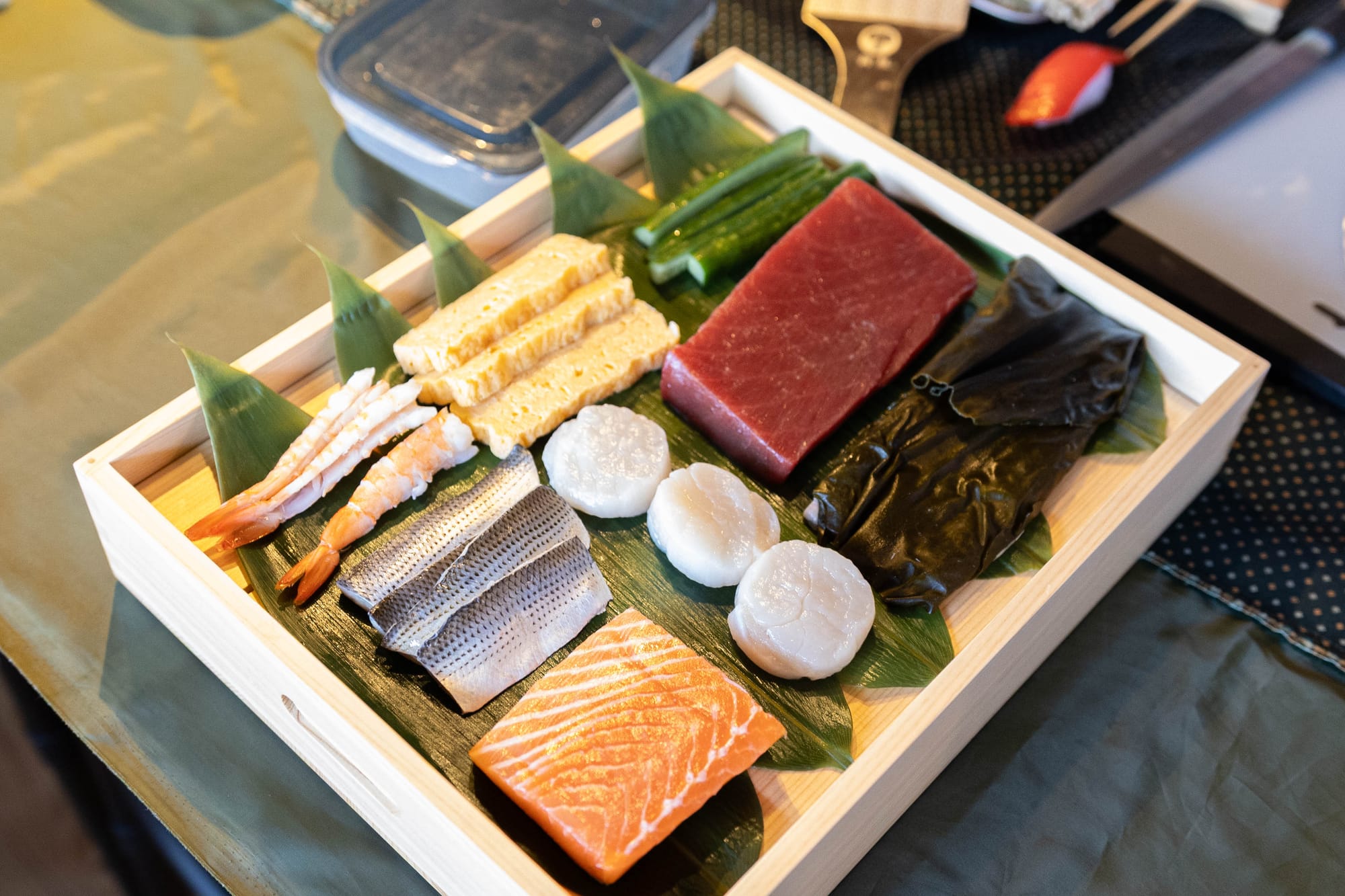
If you want to go deeper than tasting, a hands-on cooking class lets you learn techniques you can actually take home. Popular options include making ramen from scratch, rolling sushi, and preparing a full Japanese home-cooked meal (ichiju sansai — one soup, three sides).
Many cooking classes in Tokyo include a market visit beforehand so you can shop for ingredients with your instructor. It's a Japanese food tour and education rolled into one.
Price range: ¥6,000–¥12,000 per person for a 2–3 hour class.
Night Food & Drink Tours
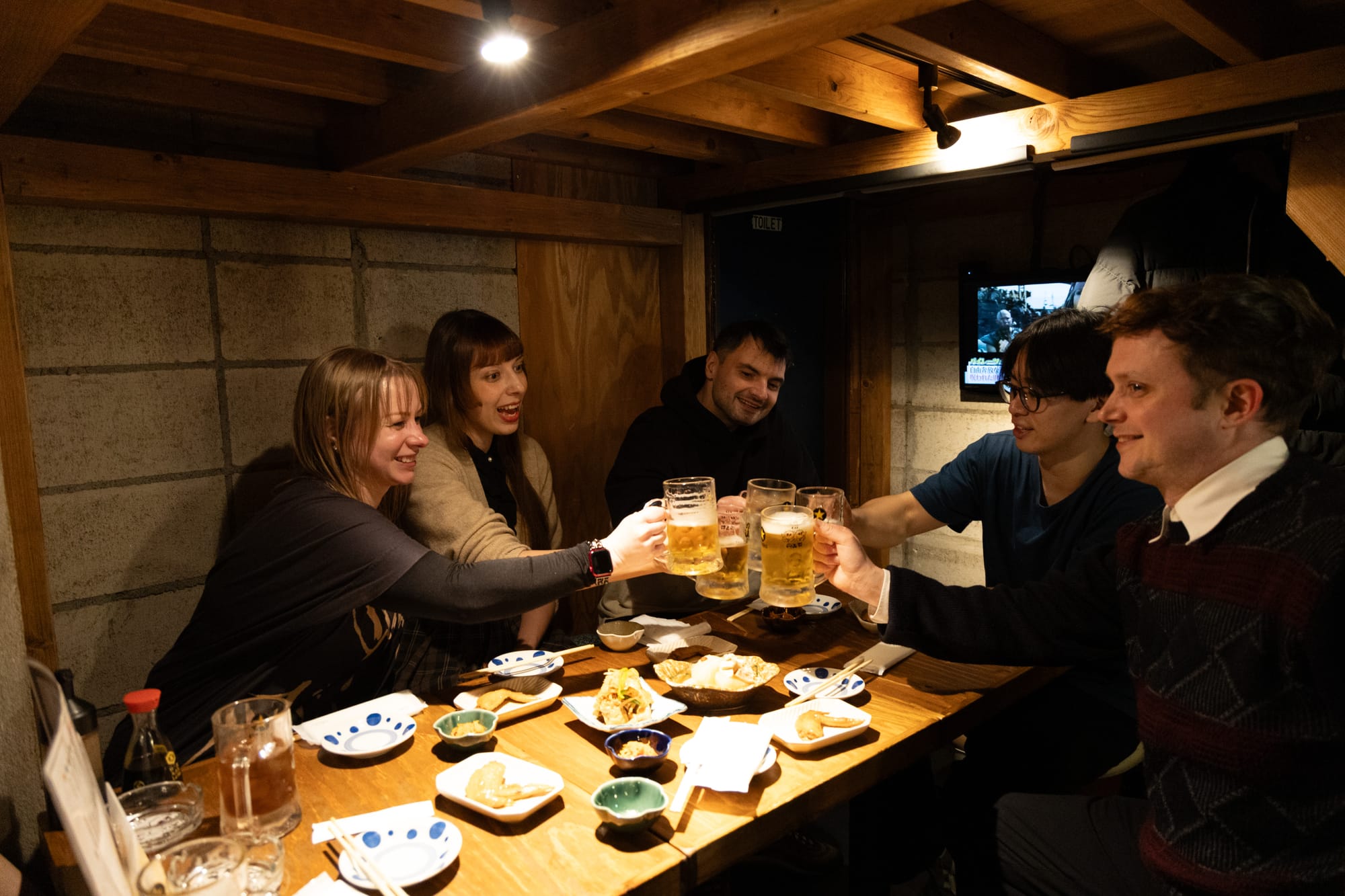
These are less about ticking off dishes and more about experiencing Japan's after-dark food culture. Expect izakaya hopping, standing bars, late-night ramen, and plenty of local beer, sake, or whisky. The Tokyo food and drink tour format — blending food and drink in equal measure — is ideal for anyone who wants a social, lively evening.
Price range: ¥10,000–¥18,000 per person, drinks usually included.
Private & Custom Tours
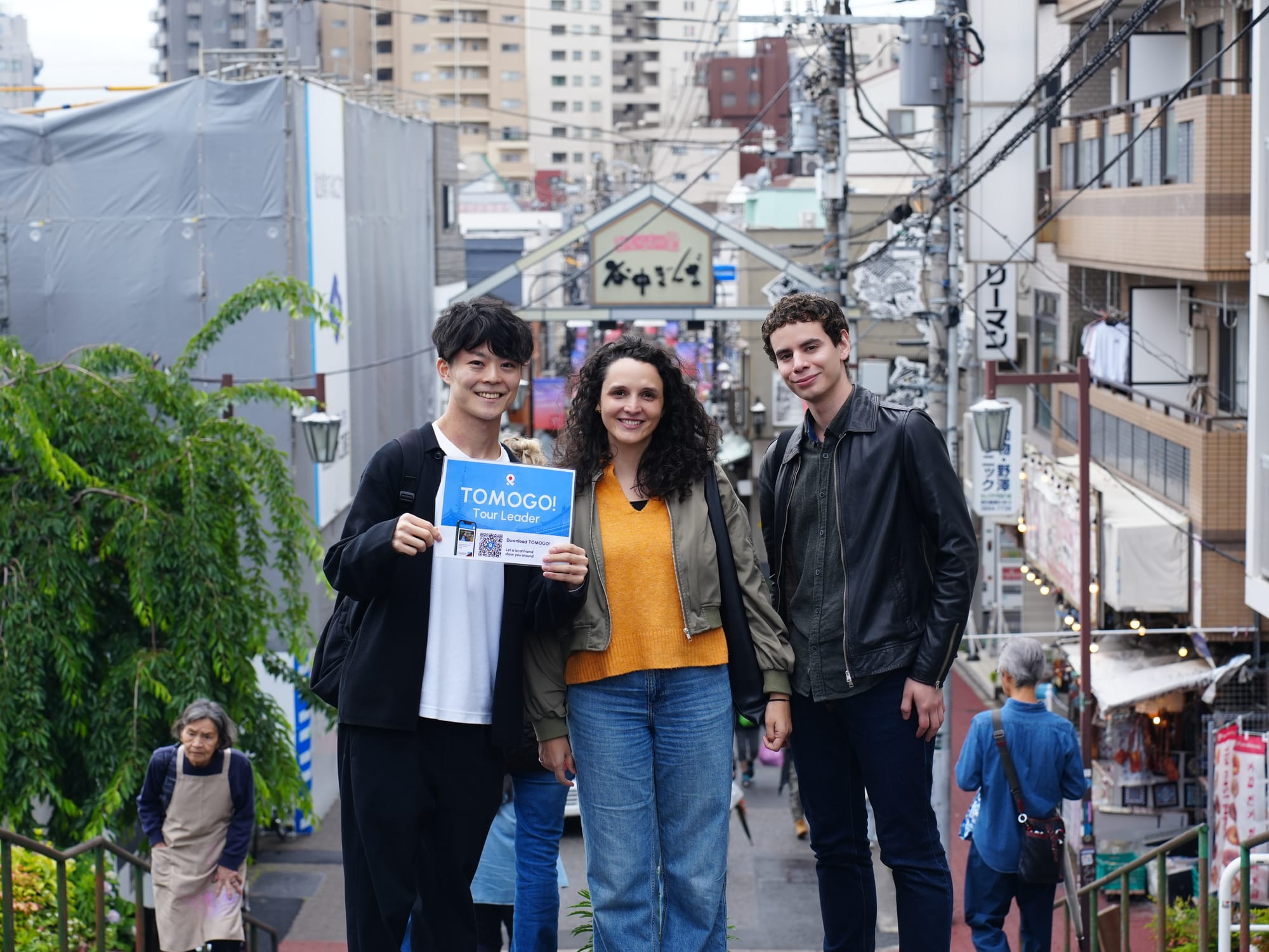
Worth considering if you have dietary restrictions, specific interests (wagyu only, vegetarian Japanese food, sake tasting), or simply prefer not to share your guide with strangers. Private tours cost more but offer complete flexibility on itinerary, pace, and dietary requirements. Price range: ¥20,000–¥50,000 per group, depending on duration and inclusions. Our private Tokyo bar-hopping tour is built exactly around this model — your local expert plans the night around your group, not the other way around.
Beyond Tokyo: Osaka Food Tours
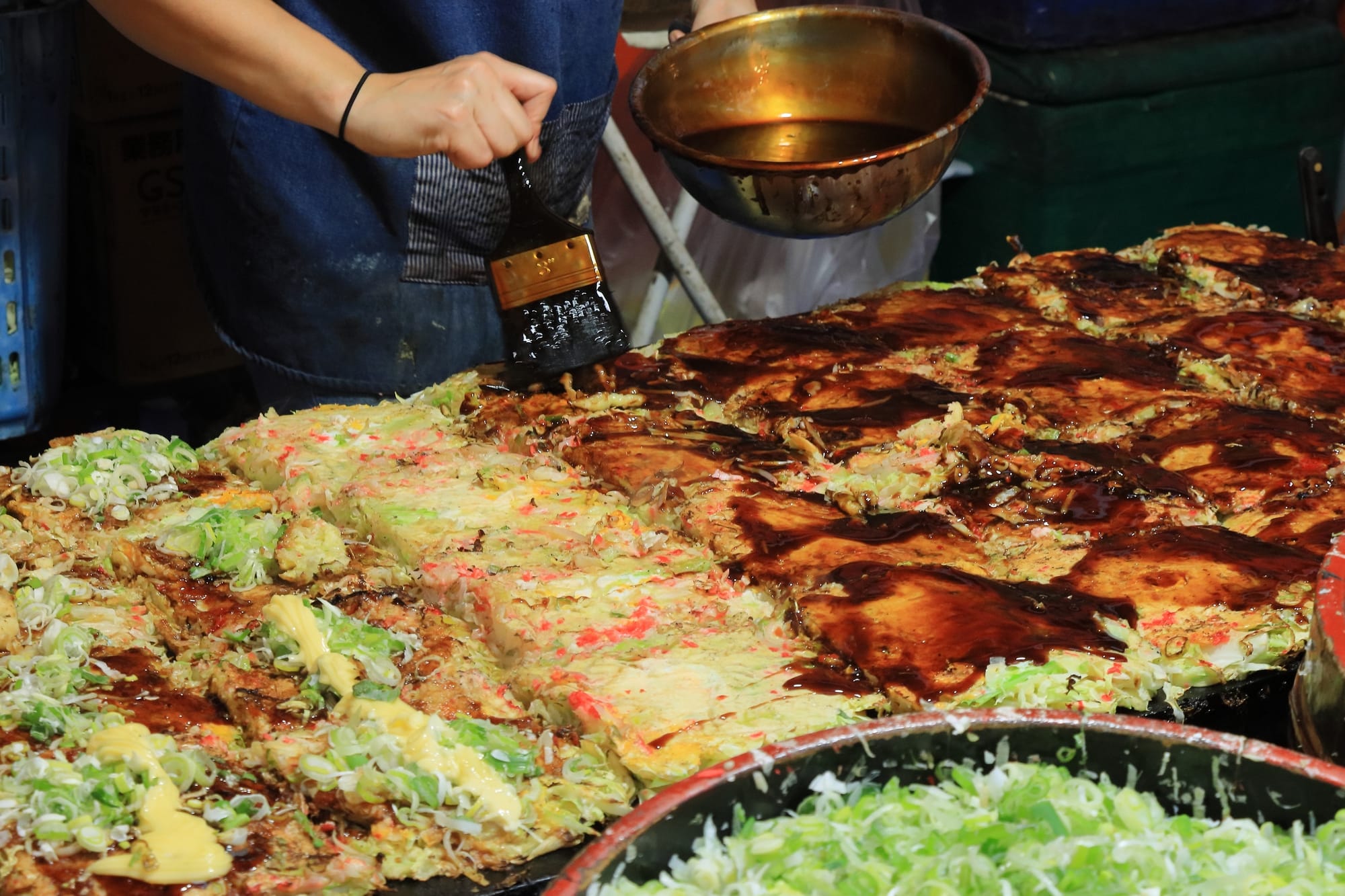
No blog about Japanese food tours would be complete without mentioning Osaka. Known as "Japan's Kitchen" (天下の台所), Osaka has a street food culture that's arguably even more vibrant than Tokyo's.
An Osaka food tour typically centers on Dotonbori and Shinsekai, where you'll find takoyaki (octopus balls), okonomiyaki (savoury pancakes), kushikatsu (deep-fried skewers), and gyoza — all served fast, hot, and affordably.
The best Osaka street food tour options run in the evening when the neon signs blaze and the energy is at its peak. Dotonbori at night is a sensory experience that rivals anything in Tokyo.
If your itinerary includes both cities, taking a food tour in each is genuinely worthwhile. Tokyo's food culture leans refined and meticulous; Osaka's is bold, generous, and unapologetically fun. Together, they give you a much fuller picture of Japanese cuisine. And if you're wondering about the best way to travel between the two cities, we've written a complete breakdown of the Japan Rail Pass to help you figure out the most cost-effective route.
How to Choose the Right Japan Culinary Tour
With dozens of options on every booking platform, here are 6 things to look for before you commit.
1. Small Group Size
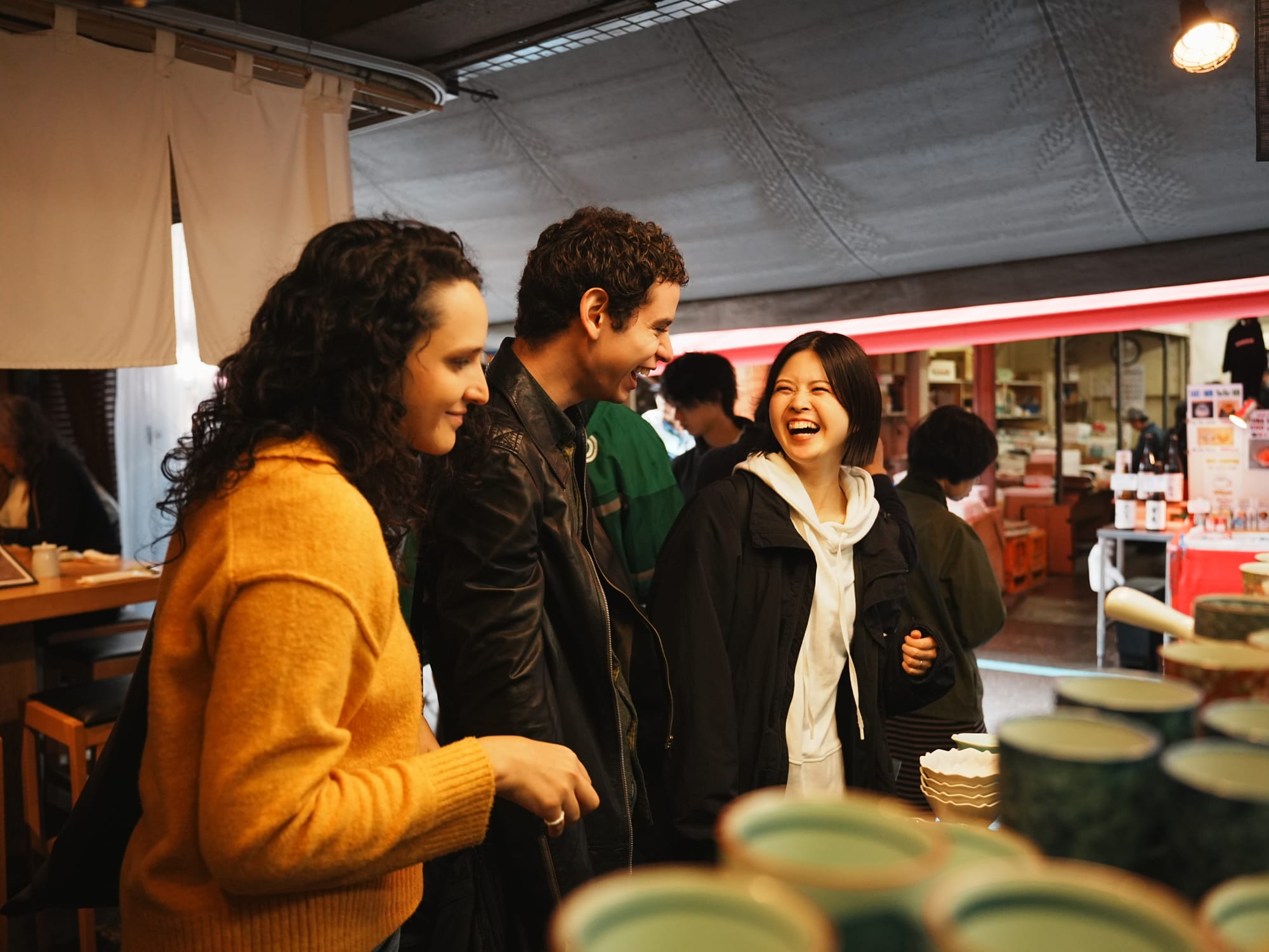
The best tours cap attendance at 8–10 people. Anything larger and you'll spend more time waiting for the group to reassemble than actually eating. Smaller groups also mean guides can adjust the experience on the fly — if a particular shop has a long queue, they'll pivot to another spot.
2. A Guide Who Actually Lives There
This matters more than you might think. A guide who lives in the neighborhood will have personal relationships with vendors and chefs. That translates directly to better food, warmer welcomes, and access to places that don't appear on Google Maps. It's the model all of our Tokyo tours are built on — every guide is a local first, a tour leader second.
3. Clear Dietary Accommodation
Japan can be challenging for vegetarians, vegans, and anyone with allergies. A good tour operator will ask about dietary needs at the time of booking and plan alternatives — not just shrug and say "skip that stop."
4. Transparent Pricing
Check whether all food and drink is included in the ticket price, or whether you'll need to bring cash for certain stops. The best tours are all-inclusive, which means you can relax and eat without calculating costs at every stall.
5. Recent Reviews from Real Travelers
Look for reviews from the past 3–6 months. Tokyo's restaurant scene changes quickly. A tour that was excellent in 2023 might be visiting completely different venue in 2025. Recent reviews tell you what you'll actually experience today.
6. A Focused Itinerary
Be cautious of tours that promise to cover "all of Tokyo's food highlights" in a single outing. The most memorable Japanese food tours go deep into one neighborhood rather than skimming the surface of five. Depth beats breadth every time.
What to Expect on Your First Tokyo Food Tour
If you've never taken a food tour before — in Tokyo or anywhere — here's a practical rundown of how the experience typically unfolds.
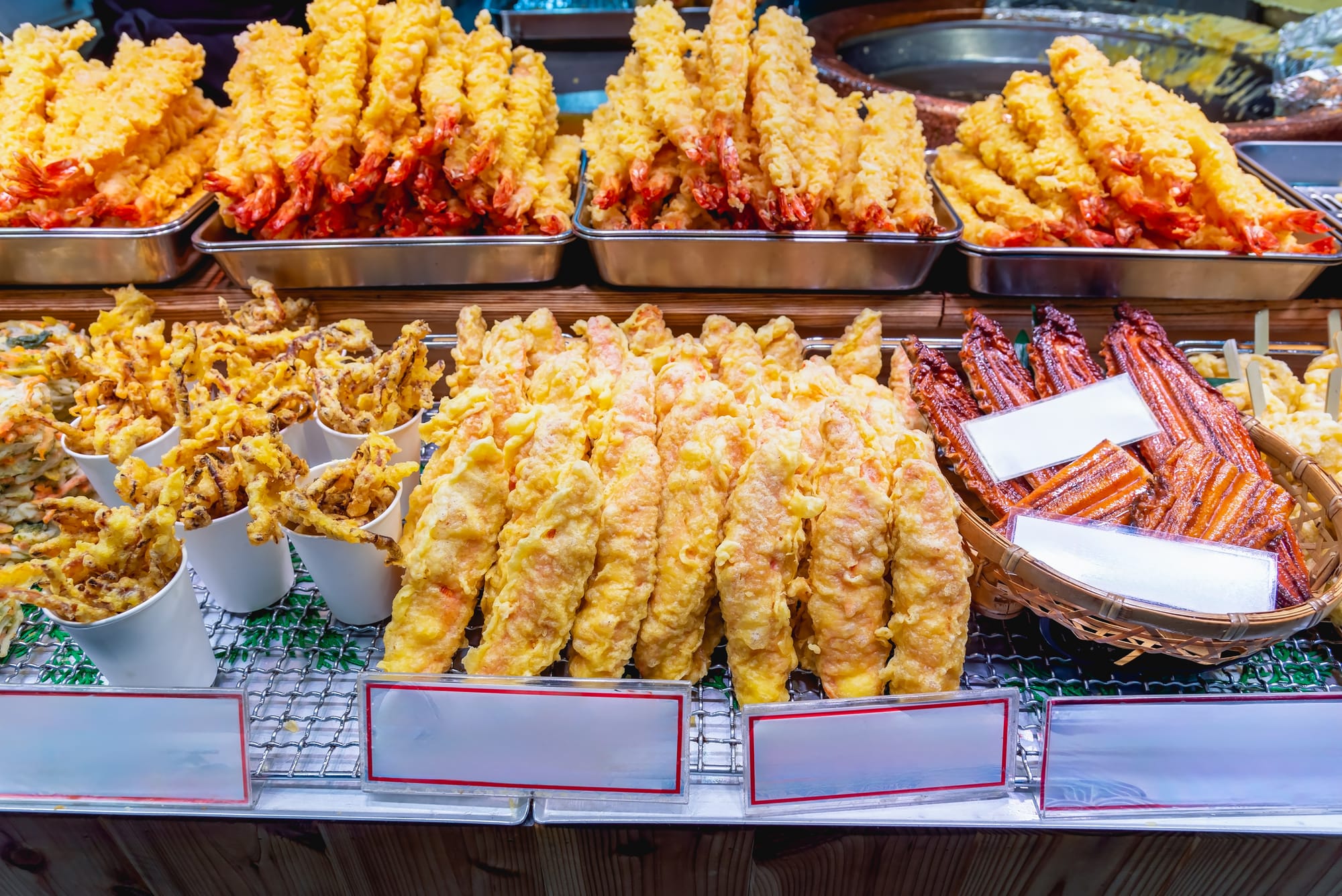
Arrive hungry, but not starving. Most tours include 8–12 tastings. Each one is small, but they add up. You'll want an empty stomach at the start, but pacing yourself is part of the fun.
Wear comfortable shoes. Walking food tours cover 2–5 kilometres on foot. Tokyo's streets are flat and well-paved, but you'll be on your feet for a few hours.
Bring cash. While Japan is increasingly card-friendly, many market stalls and small restaurants in Tsukiji, Asakusa, and Yanaka are cash-only. Your guide will usually mention this at the start, but having ¥3,000–¥5,000 in small bills is a good safety net.
Ask questions. Good guides love talking about food. If you want to know why the soy sauce tastes different from what you have at home, or how to tell good wasabi from the fake stuff, just ask. That's exactly what you're paying for.
DIY vs. Guided: Which Is Right for You?
Guided tours aren't the only way to explore Tokyo's food scene. Plenty of confident travelers prefer the DIY approach — picking restaurants from blogs, walking into whatever looks good, and figuring it out as they go. There's real joy in that kind of spontaneous discovery.
Here's a quick comparison to help you decide:
| Guided Tour | DIY Exploration | |
|---|---|---|
| Best for | First-time visitors, food lovers who want context, anyone nervous about language barriers | Repeat visitors, adventurous eaters, flexible schedules |
| Cost | ¥8,000–¥18,000 per person (food included) | Varies — can be more affordable or more expensive depending on your choices |
| Depth of knowledge | High — guides share history, technique, and cultural context | Depends on your own research |
| Flexibility | Low — fixed itinerary and schedule | Complete freedom |
| Hidden gems access | High — guides know back-alley spots | Medium — requires local knowledge or a good blog (like this one) |
Our honest recommendation? Take a guided tour early in your trip to build your food vocabulary and confidence, then spend the rest of your visit exploring on your own. You'll eat better for the rest of your holiday because of what you learn on day one.
Plan Your Japan Culinary Tour with Confidence
Japan's food scene is one of the deepest and most rewarding in the world. Whether you start with a Tsukiji market tour at dawn, an izakaya crawl through Shinjuku's backstreets at dusk, or an Osaka street food tour on the next leg of your trip, a well-chosen food tour transforms a good holiday into an unforgettable one.
The key is choosing a tour that matches your interests, your schedule, and your appetite. Focus on one neighborhood, go with a small group, and don't be afraid to ask your guide for restaurant recommendations for the rest of your stay. The best guides are happy to share — that's the whole point.
Hungry yet? We thought so. Start planning, arrive with an empty stomach, and discover why Japan's food culture is unlike anything else on earth.
Tokyo Food Tour FAQs
How much does a Tokyo food tour cost?
Most Tokyo food tours fall between ¥8,000 and ¥18,000 per person, with all food — and often drinks — included in that price. Walking tours at the lower end typically cover 8–12 tastings across three or four stops. Private and custom tours sit at the higher end, anywhere from ¥20,000 to ¥50,000 per group, but offer complete flexibility on itinerary, pace, and dietary requirements. As a general rule, if a tour seems unusually cheap, check what's actually included — some operators advertise a low headline price and then charge separately at each stop.
Are Tokyo food tours worth it?
For most visitors, yes — particularly on a first trip. Tokyo has over 150,000 restaurants, and the ones genuinely worth your time are often the hardest to find: unmarked doors, Japanese-only menus, and neighborhoods that don't appear in mainstream travel guides. A good guide doesn't just solve the language barrier — they give you the cultural context that makes every meal for the rest of your trip more meaningful. That said, if you're a repeat visitor who's already comfortable navigating the city and reading a room, DIY exploration has its own rewards. The honest answer is that the two approaches aren't mutually exclusive — take a tour early in your trip, then use what you learn to eat better on your own for the rest of it.
How long do Tokyo food tours last?
Most run between two and four hours. Walking food tours and street food tours tend to sit at the shorter end — two to three hours, covering a single neighborhood at a comfortable pace. Night food and drink tours often run longer, closer to three to four hours, since the experience is as much about atmosphere and conversation as it is about the food itself. Private tours are the exception: because they're built around your group, the duration is whatever you agree in advance. If you're booking a morning market tour, factor in that Tsukiji is liveliest before 10:00 AM — starting earlier is nearly always better.

What is the best neighborhood for a food tour in Tokyo?
Tsukiji Outer Market is the most consistently excellent choice, particularly for a first visit. The combination of fresh seafood, market history, and sheer variety of things to taste is hard to beat at any price point. For evenings, Shinjuku — specifically the area around Omoide Yokocho and Golden Gai — offers a completely different experience: yakitori smoke, whisky highballs, and tiny bars where the regulars make room for you. Asakusa is the best all-rounder for combining food with sightseeing, while Yanaka suits travelers who prefer a slower, more neighborhood-focused pace. The honest answer is that the right neighborhood depends on what kind of trip you're on — which is why the best guides ask before they plan.
Are Tokyo food tours suitable for vegetarians?
Japan has a reputation for being difficult territory for vegetarians, and in some respects that's fair — dashi (fish stock) turns up in places you wouldn't expect, and not every restaurant has alternatives. That said, a good tour operator will ask about dietary requirements at the time of booking and plan around them, not just skip a stop and shrug. Before you book, check specifically whether the operator has experience accommodating vegetarian or vegan diets, and ask what the alternative actually looks like at each stop — not just whether one exists. The quality of that answer will tell you a lot about whether the tour is worth your time.
What is the difference between a Tsukiji and Toyosu market tour?
The short version: Tsukiji is for eating, Toyosu is for watching. The inner wholesale market moved from Tsukiji to Toyosu in 2018, but the outer market at Tsukiji stayed, and it remains one of the best places in Tokyo to graze — fresh sashimi, tamagoyaki, uni, seasonal fruit, and vendors who've been doing this for decades. Toyosu is where the serious commercial action happens now, including the famous tuna auction, which you can observe from a viewing gallery (tours typically start around 5:30 AM). The sushi restaurants inside Toyosu are outstanding and better value than most people expect. If you want to eat your way through a market, go to Tsukiji. If you want to see where Tokyo's fish actually comes from, get up early and go to Toyosu.
Do I need to speak Japanese on a Tokyo food tour?
Not at all — that's largely the point. A good guide handles all of the ordering, communication with vendors, and social navigation on your behalf, which is genuinely useful in places like Golden Gai where some bars are quietly selective about walk-in tourists. Beyond the practicalities, having someone who speaks both languages fluently means you get to ask the vendor directly why the tamagoyaki here is different from the one you had yesterday, and actually get an answer. If anything, not speaking Japanese gives you more freedom on a tour — you can focus entirely on eating and asking questions rather than working out what's on the menu.
Can I do a Tokyo food tour with children?
Yes, and it often works better than people expect. Japanese food culture is genuinely family-friendly — portion sizes are small, flavors are varied, and there's almost always something on the table for a hesitant eater. Morning market tours and street food tours tend to suit families best, since they're outdoors, relatively short, and involve enough movement to keep younger travelers engaged. Evening izakaya tours are better suited to teenagers and adults. The main thing to check before booking is the operator's minimum age policy and whether the tour involves alcohol stops — most night tours do, and some operators set a minimum age of 18 or 20 for those experiences. A quick message to the operator before you book will sort that out in about two minutes.

Not sure which tour is right for you?
Whether you're an early riser ready to tackle Tsukiji at dawn or a night owl looking for yakitori and whisky in Golden Gai, there's a TOMOGO! food tour built for your trip.