
Golden Gai 2026: Everything You Need to Know Before You Visit
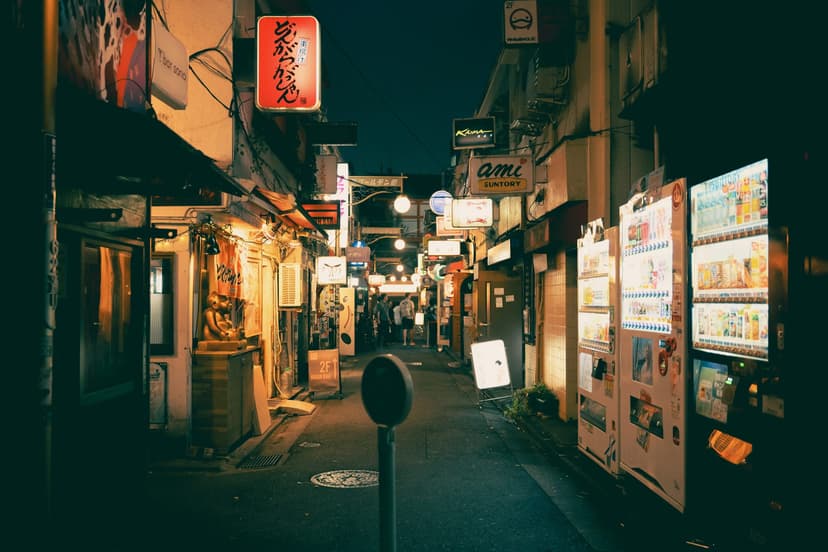
Tucked behind Shinjuku's neon-drenched main streets, Golden Gai is one of Tokyo's most atmospheric drinking districts — a maze of over 200 tiny bars crammed into six narrow alleyways. Each bar seats just five to ten people, the walls are covered in decades of stickers and memorabilia, and the bartenders are often more interesting than the drinks.
For first-time visitors, the district can feel equal parts exciting and intimidating. Which bars are welcoming to tourists? What's the deal with cover charges? And is it okay to just walk in?
We break down everything you need to know about visiting Golden Gai bars in Shinjuku, from unwritten etiquette rules to the types of bars you'll find behind those mysterious doors.
What Is Golden Gai?
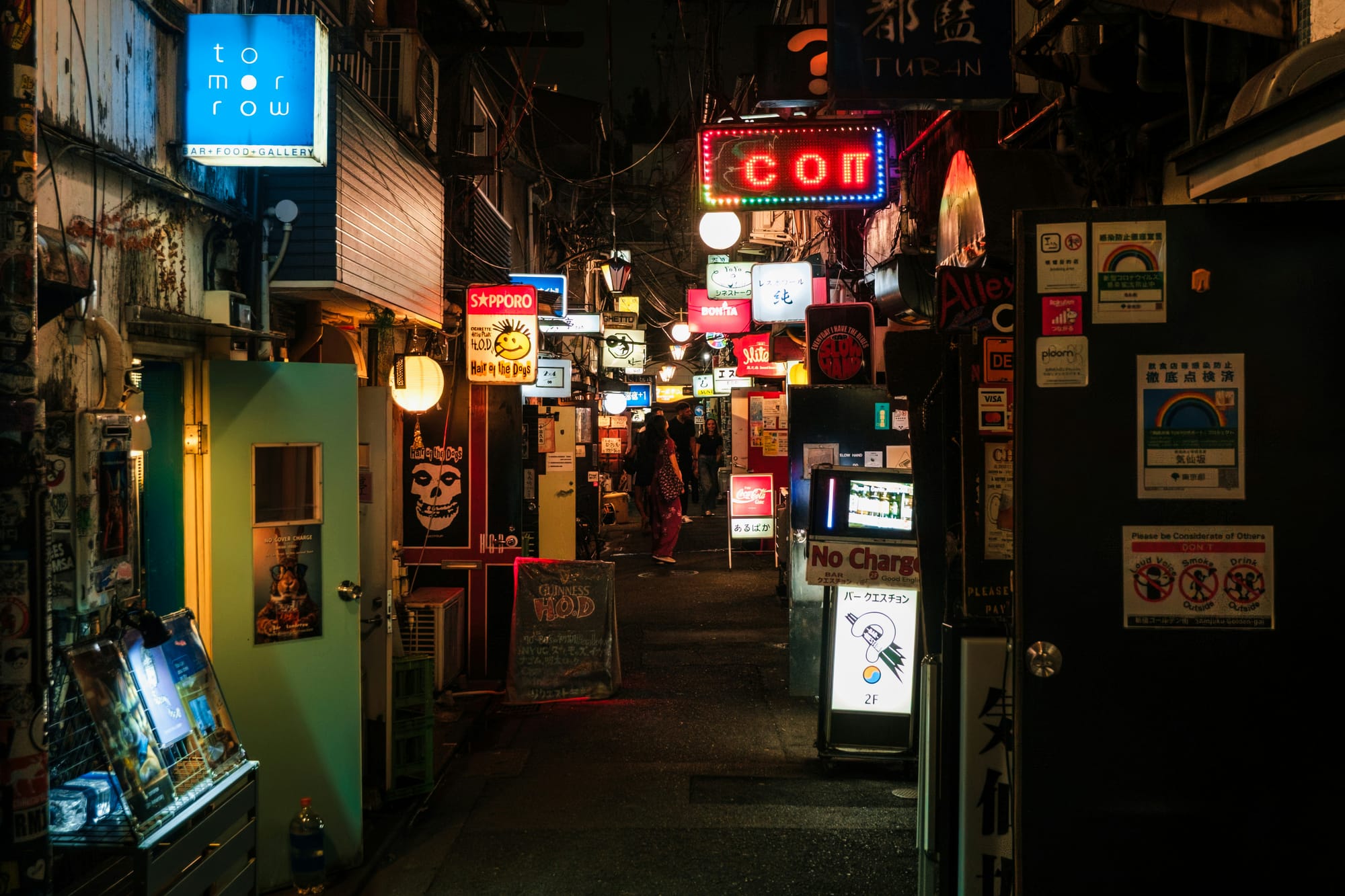
Golden Gai (sometimes misspelled as "Golden Guy") is a small drinking district in the Kabukichō area of Shinjuku, Tokyo. It's made up of six interconnected alleys lined with around 200 tiny, independently owned bars, most of which are barely bigger than a walk-in wardrobe.
The district covers an area roughly the size of a football pitch, but the density of bars per square meter is unlike anywhere else in the world. Each bar has its own personality, theme, and regular crowd — from jazz lovers and film buffs to punk rock fans and poetry enthusiasts.
Despite sitting just minutes from one of Tokyo's busiest train stations, Golden Gai feels like stepping into a different era. The wooden two-story buildings, tangled power lines, and hand-painted signs have barely changed in decades.
A Brief History of Shinjuku Golden Gai
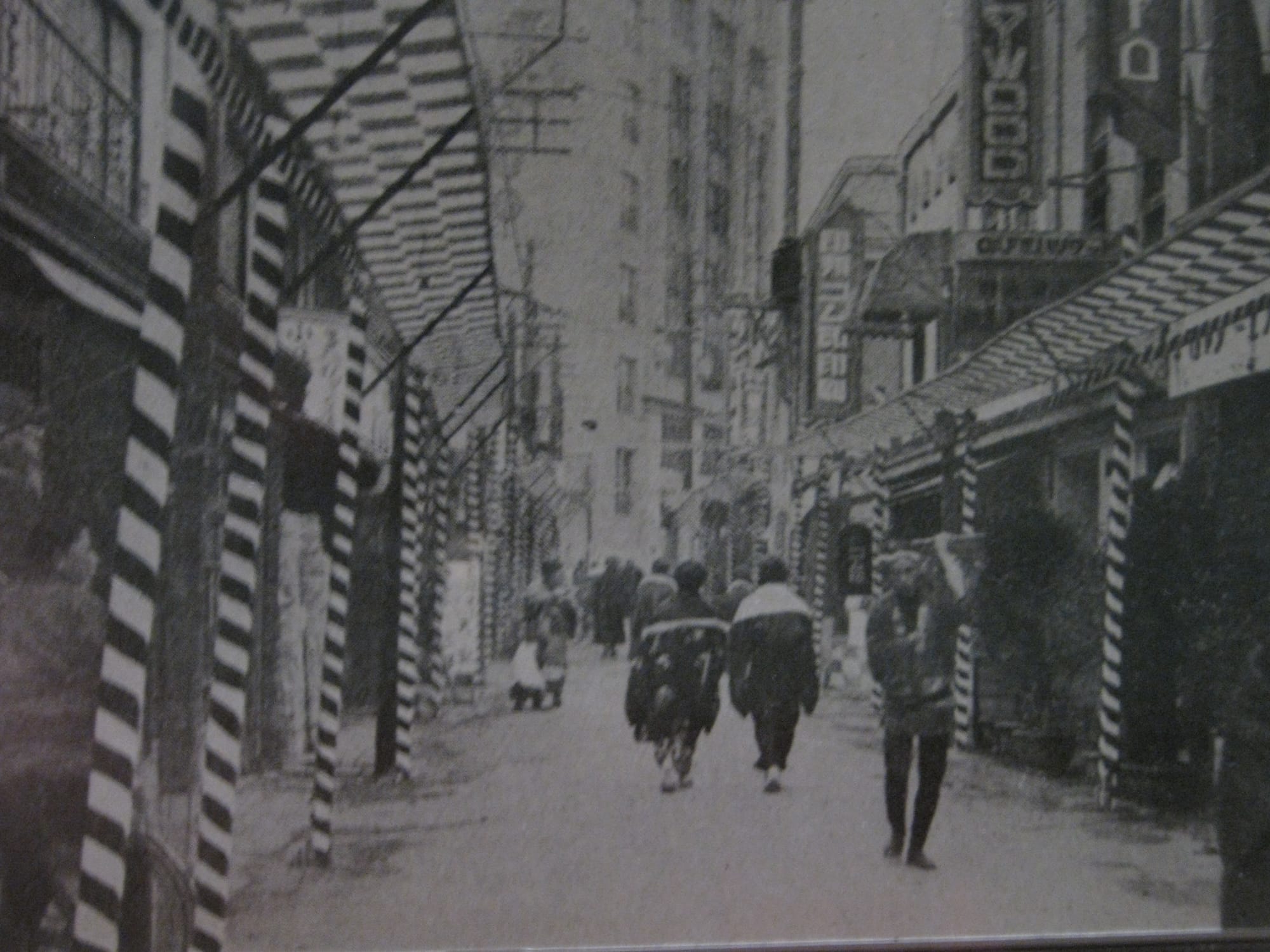
Golden Gai's roots trace back to the post-war black market era of the late 1940s. After World War II, the area became a gathering place for street vendors and small traders, eventually evolving into a drinking district by the 1950s and 60s.
During the economic boom of the 1970s and 80s, the district became a beloved haunt for Tokyo's creative class. Writers, actors, musicians, filmmakers, and journalists crowded into the tiny bars, and many of Japan's most celebrated artists were regulars. This bohemian reputation still clings to Golden Gai today.
Remarkably, the district survived Japan's bubble-era development rush, when property developers aggressively tried to buy up the land. A series of suspicious arsons in the 1980s failed to drive out the bar owners, and the community held firm. Today, the Golden Gai district in Tokyo is considered a cultural treasure — a living piece of Shinjuku's history that refuses to be bulldozed.
What Golden Gai Bars Are Actually Like
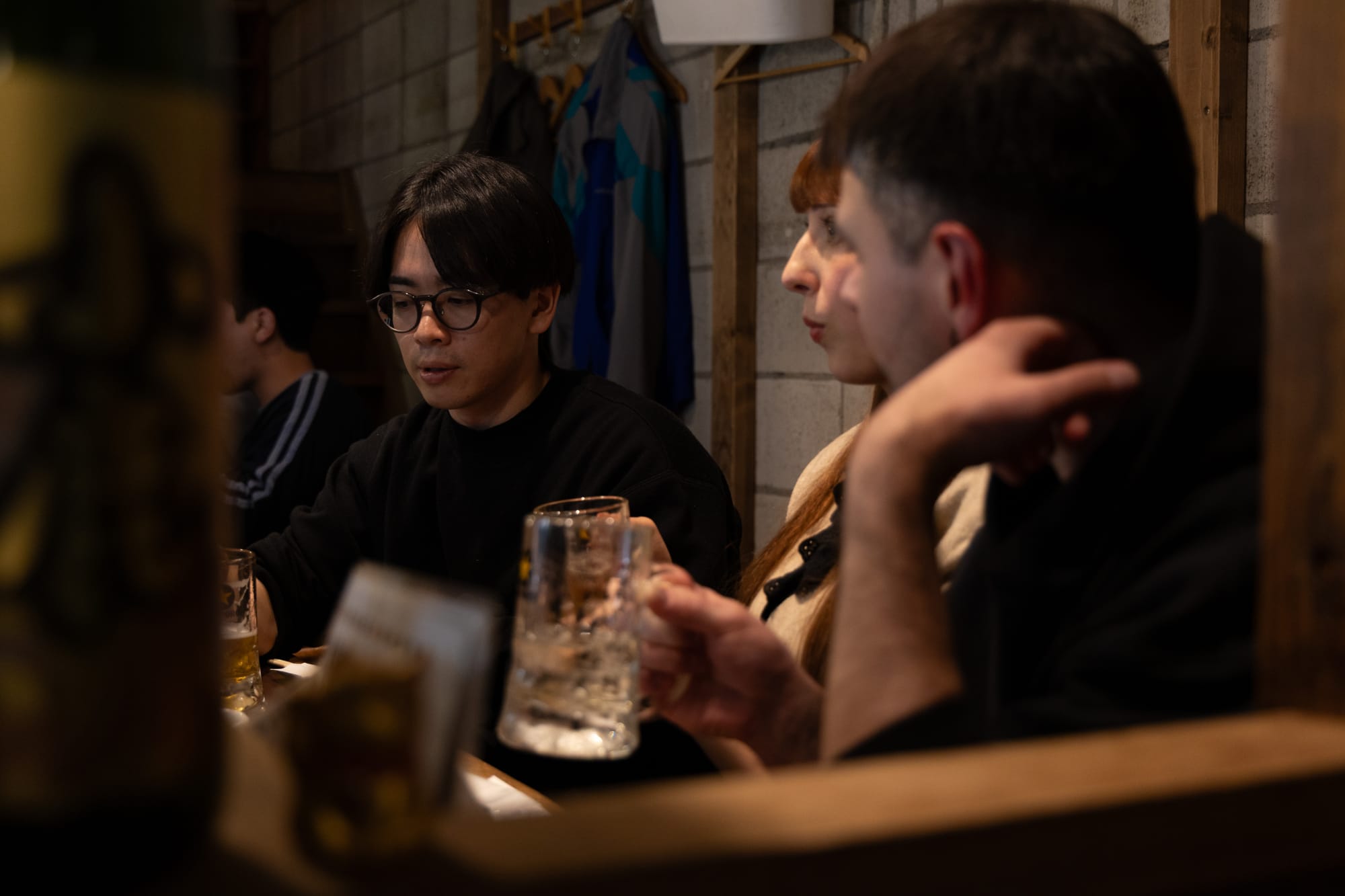
If you're picturing a typical bar, reset your expectations. Most Golden Gai bars have a single counter with five to eight stools, no standing room, and one bartender-owner who runs the entire operation alone.
The atmosphere is intimate by design. You're sitting shoulder-to-shoulder with strangers, and conversations happen naturally — with the bartender, with the person next to you, sometimes with the entire bar. This is the magic of Golden Gai. It's not about the drinks. It's about the human connection.
Drinks are typically simple. Expect beer, highballs (whisky and soda), shōchū, sake, and basic cocktails. You won't find elaborate craft cocktail menus here — though a few newer bars have started experimenting. Most drinks range from ¥500 to ¥1,000 (roughly $3.50–$7 USD).
The decor varies wildly from bar to bar. One might be wallpapered with vintage movie posters, while the next is decorated entirely with rubber ducks or horror masks. Part of the fun is peering through doorways and deciding which vibe calls to you.
Types of Bars You'll Find
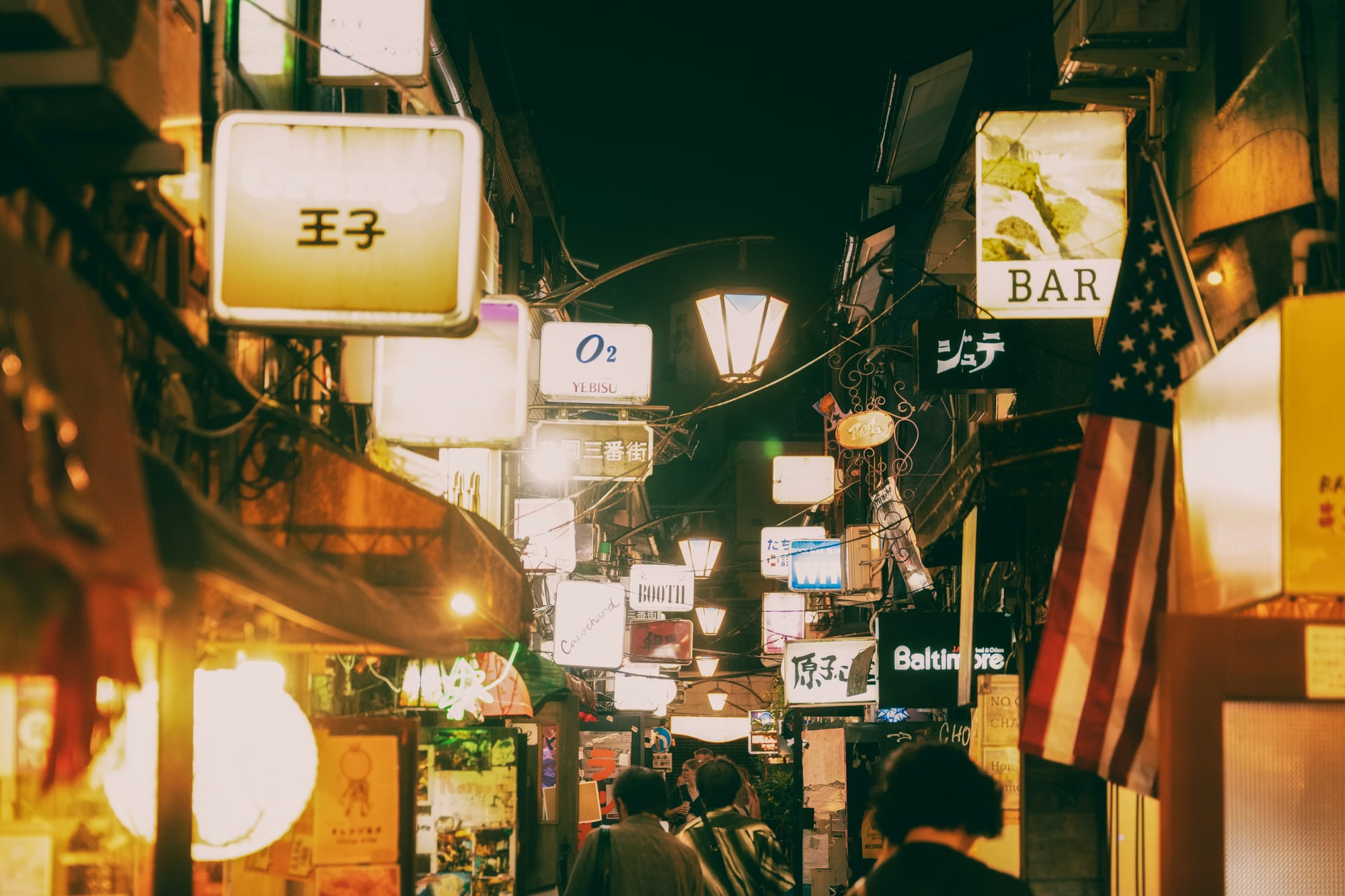
Not all Golden Gai bars are the same. Here's a rough breakdown of what you'll encounter across the district's alleyways:
Tourist-Friendly Bars
Several bars in Golden Gai now actively welcome international visitors with English menus, English-speaking staff, and signs outside inviting you in. These are a great starting point if it's your first visit and you're feeling uncertain. They tend to be the busiest, especially on weekends.
Regulars-Only Bars
Some bars even recommend other bars in the area when you're ready to move along — a generous spirit that's rare in most nightlife districts. If you'd rather leave the navigation to someone who knows every alley, our Shinjuku bar-hopping tour is built exactly around this format.
Themed Bars
This is where Golden Gai gets truly interesting. You'll find bars dedicated to specific genres of music, particular decades, horror movies, manga, photography, and more. If a bartender has a passion, chances are they've built a bar around it.
Bar-Hopping-Friendly Spots
Because each bar is so small, the culture of Golden Gai encourages hopping between multiple spots in a single evening. Two or three drinks at one bar, then move on to the next. Some bars even recommend other bars in the area when you're ready to move along — a generous spirit that's rare in most nightlife districts.
How Cover Charges Work
One thing that catches many visitors off guard is the cover charge (席料, sekiryō), sometimes called a "table charge" or "charm charge." Most Golden Gai bars charge between ¥500 and ¥1,500 per person just to sit down, before you order a single drink.
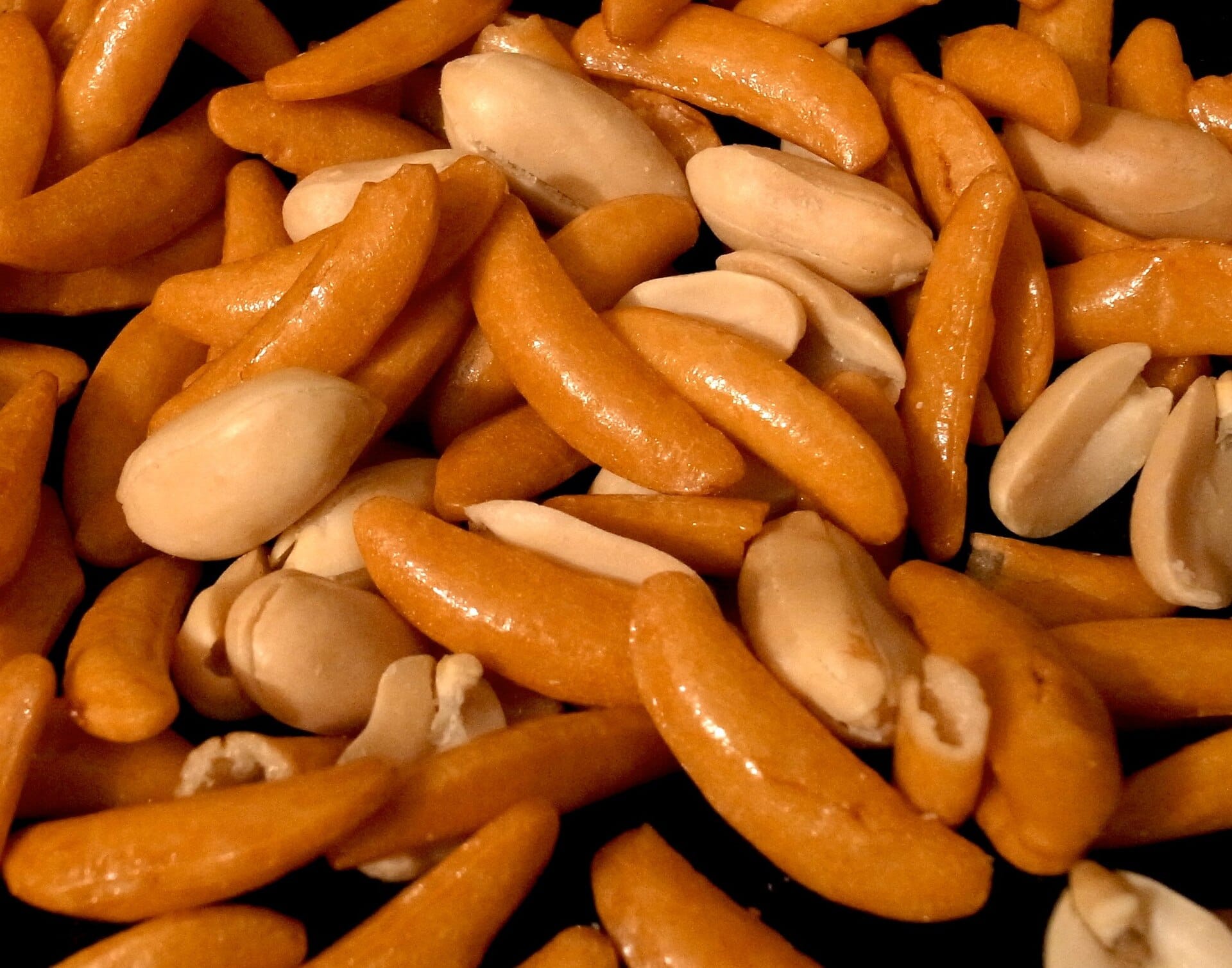
This isn't a tourist trap — it's standard practice across small bars in Japan and has been for decades. The cover charge helps these micro-businesses stay afloat, and it often includes a small snack (known as otōshi).

A few things to keep in mind:
- Always ask about the cover charge before sitting down. Most tourist-friendly bars display it outside, but if not, a polite "Cover charge wa ikura desu ka?" works well.
- Budget accordingly. With a ¥1,000 cover and two drinks at ¥700 each, you're looking at roughly ¥2,400 per bar ($16–17 USD). If you plan to visit three bars, that's around ¥7,000–8,000 for the evening.
- Cash is essential. Most Golden Gai bars are cash-only. Bring enough yen for the whole night, and carry small bills.
8 Etiquette Tips for First-Time Visitors
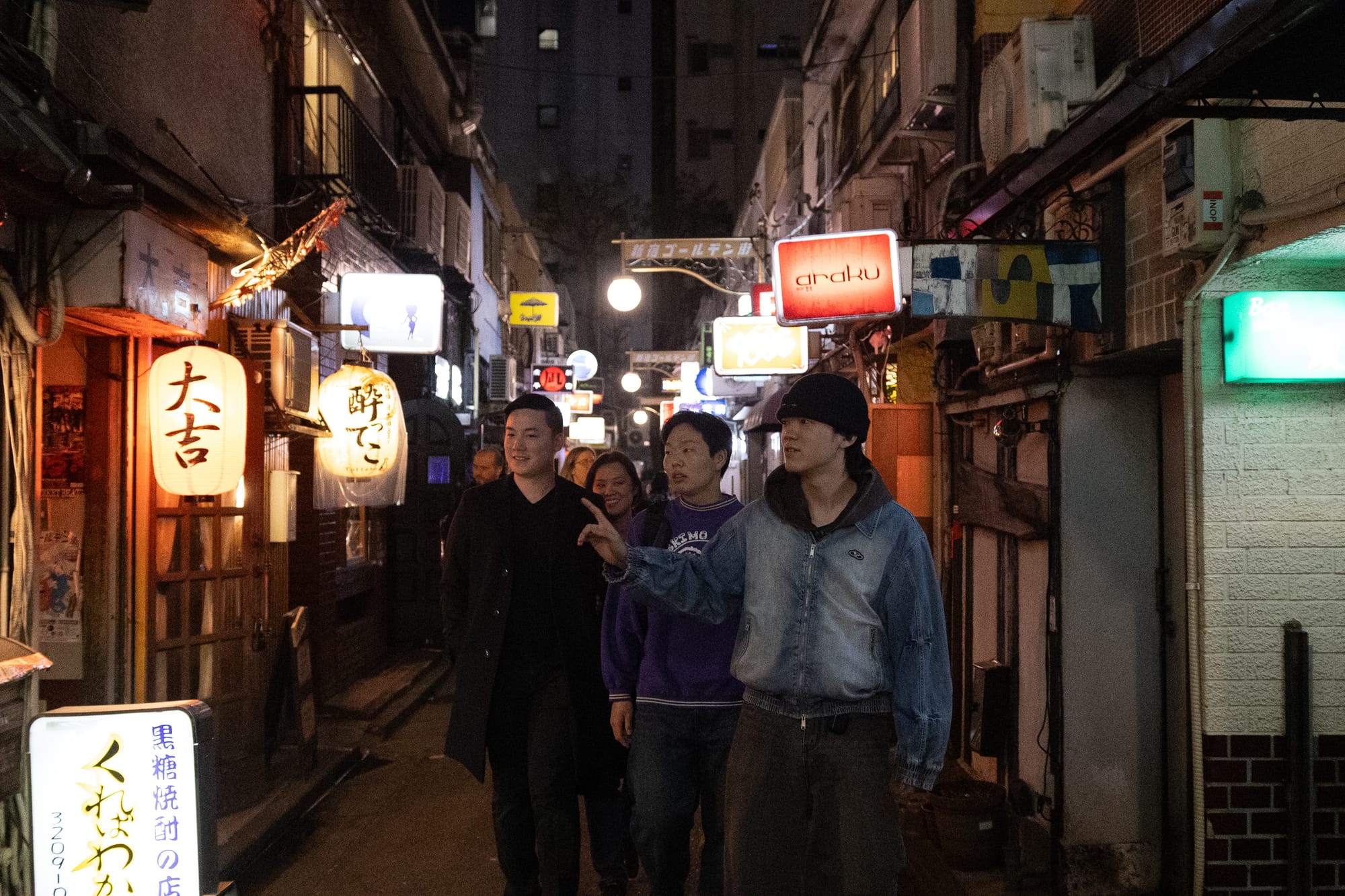
Golden Gai has its own unwritten rules. Follow these and you'll have a far better experience — and be welcomed back. If you'd prefer to navigate them with a local at your side from the start, our guided Shinjuku night tours take the uncertainty out of the equation entirely.
1. Don't take photos inside without asking. This is the single most important rule. Many regulars value their privacy, and bartenders may ask you to put your phone away. Always ask permission first.
2. Don't take photos of the outside of bars with people visible. The same principle applies to the alleys themselves, especially if other patrons are sitting near open doors or windows.
3. Keep your group small. Most bars can only fit a handful of people. Arriving in a group of five or more means you'll likely be turned away from many spots. Groups of two to three are ideal for bar hopping.
4. Don't stand and block the alleys. The lanes are narrow. If you're deciding where to go, step to the side. Blocking foot traffic is a quick way to frustrate locals.
5. Be respectful of the noise level. Golden Gai is surrounded by residential buildings. Keep your voice at a conversational level, particularly when walking between bars.
6. Don't linger too long if the bar is full. If every seat is taken, enjoy a couple of drinks, have a good conversation, and then move on to let others enjoy the space. This is the natural rhythm of the district.
7. Try to engage with the bartender. Even if you don't speak Japanese, a smile, a few basic phrases, and genuine curiosity go a long way. The bartenders are the bar — they've often been running their spot for years, even decades.
8. If a door is closed and there's no welcome sign, move on. Some bars are members-only or not open to walk-ins. There's no shortage of alternatives, so don't take it personally.
Best Time to Visit Golden Gai
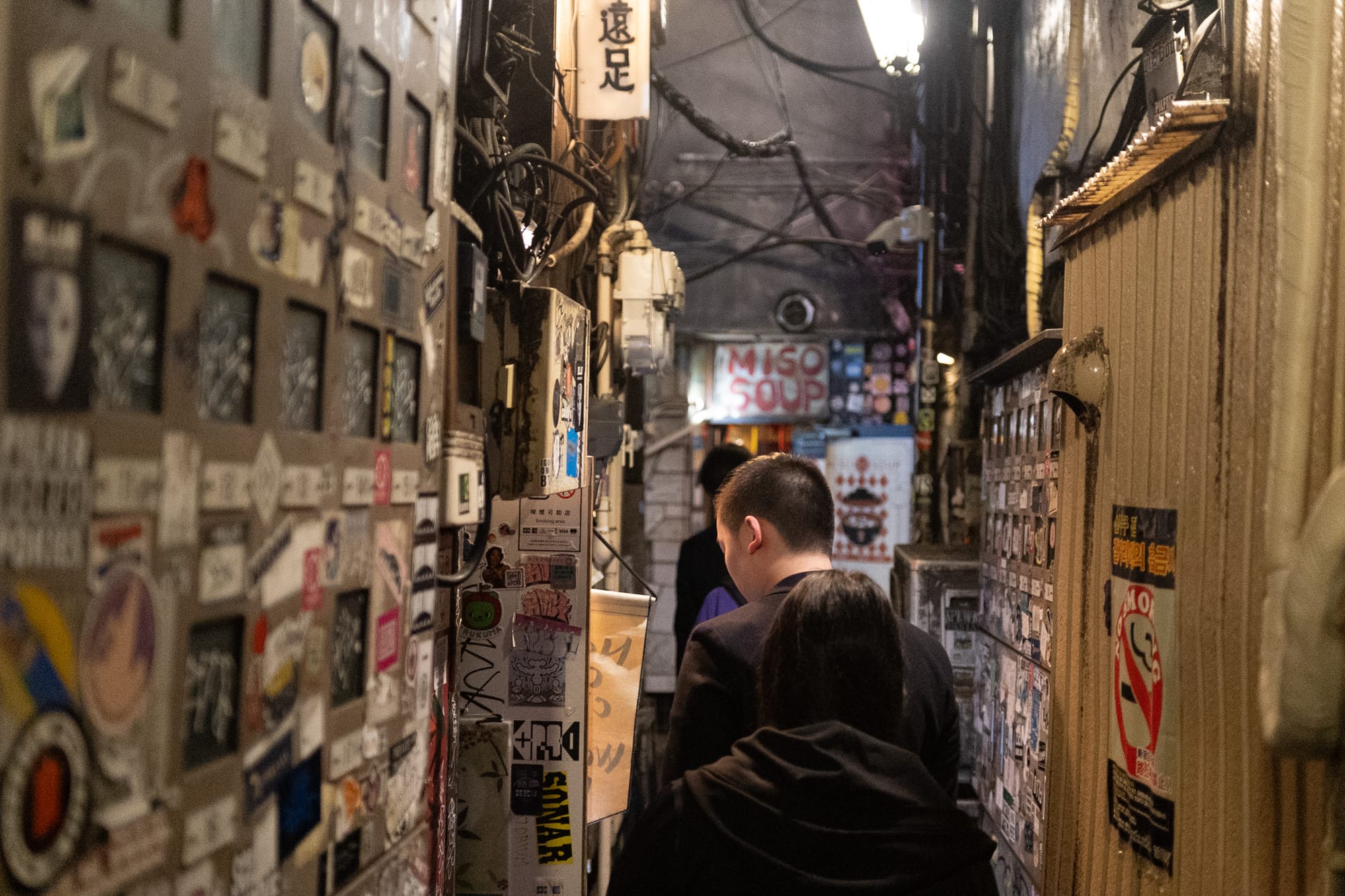
Golden Gai comes alive after dark. Most bars open between 7:00 PM and 9:00 PM and stay open until the early hours — often 2:00 AM or later, especially on weekends.
Weeknights (Monday to Thursday) are the best time to visit if you want a more relaxed experience. You'll have an easier time finding seats, bartenders have more time to chat, and the atmosphere is more authentically local. Wednesday and Thursday evenings hit a nice sweet spot between quiet and lively.
Friday and Saturday nights draw larger crowds, including more tourists and younger locals. The energy is higher, but so is the competition for seats. Arriving before 9:00 PM gives you the best chance of settling into a bar before the rush — or consider our private Tokyo bar-hopping tour, where your guide reserves spots in advance so you're never left standing in the alley..
Sunday evenings tend to be quiet, and some bars are closed entirely.
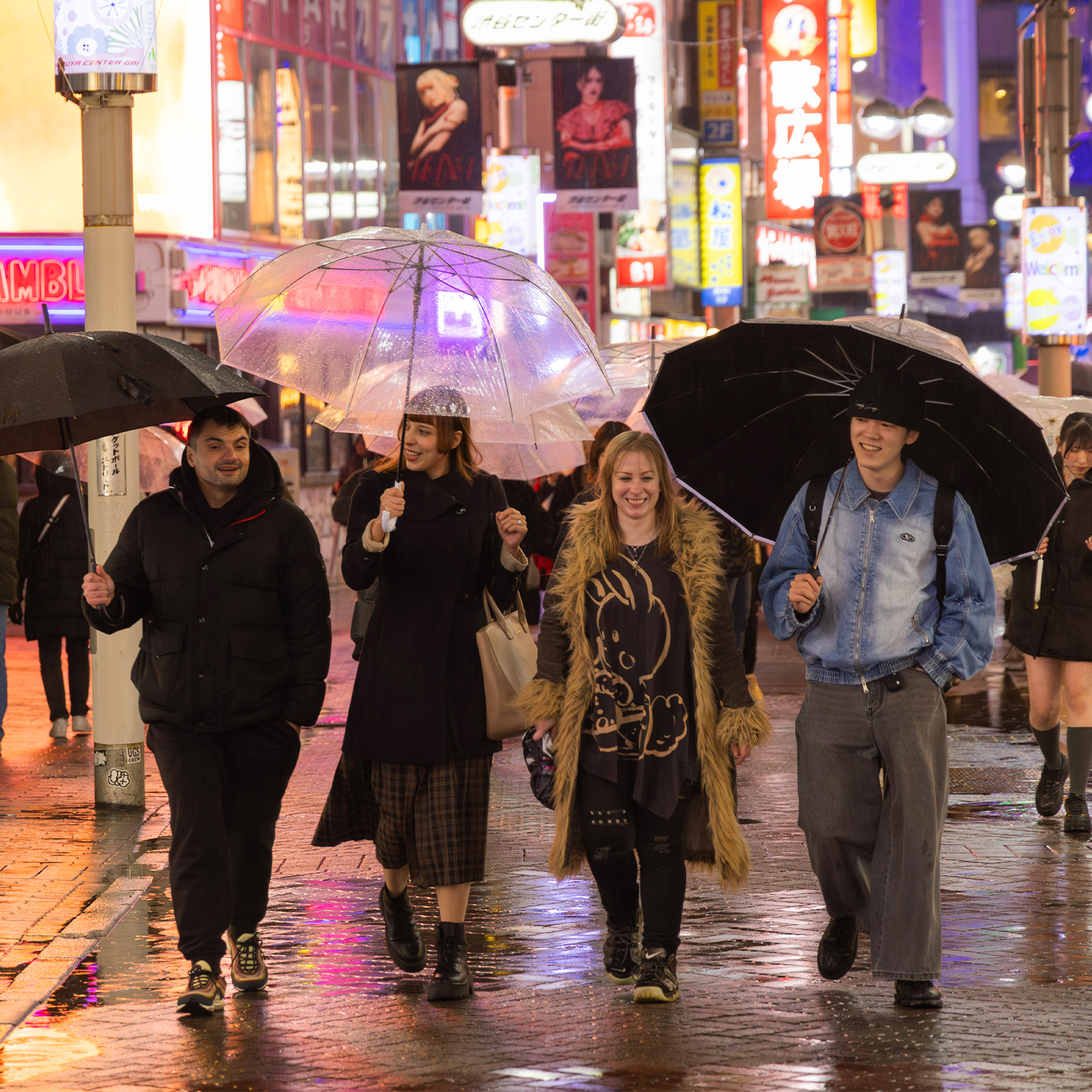
One more tip: Golden Gai is particularly atmospheric on rainy evenings, when the neon reflections shimmer across the wet alleyways and the crowds thin out. If you happen to be visiting Tokyo during the rainy season (June–July), this is a silver lining worth embracing.
How to Get to Golden Gai
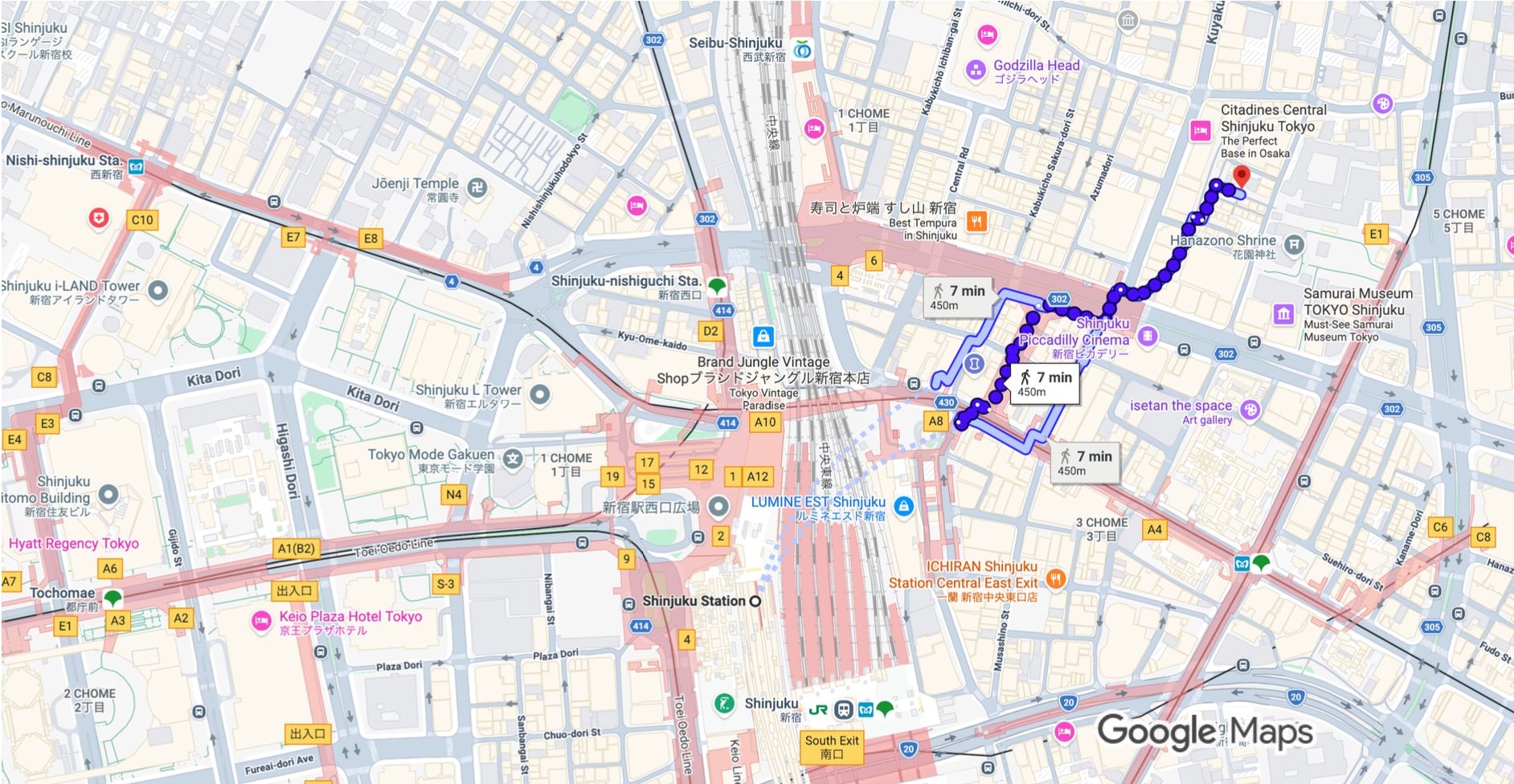
The Golden Gai district sits in the Kabukichō area of Shinjuku, just a short walk from Shinjuku Station — one of the busiest transport hubs in the world.
From Shinjuku Station (East Exit): Walk north-east towards Kabukichō. Golden Gai is located behind the Kabukichō Ichiban-gai gate, tucked between Hanazono Shrine and the main Kabukichō entertainment area. The walk takes about 5–7 minutes.
Nearest station: Shinjuku-Sanchōme Station (Tokyo Metro Marunouchi Line and Fukutoshin Line) is actually slightly closer — about a 3-minute walk from Exit E1.
Golden Gai FAQs
Is Golden Gai safe?
Yes. Golden Gai is generally very safe, as is Shinjuku and Tokyo as a whole. That said, use common sense — be aware of your belongings and avoid bars that seem to pressure you into entering, as these are rare but do exist on the fringes of the Kabukichō area.
Is Golden Gai worth visiting?
Absolutely. If you enjoy intimate bars, interesting conversations, and soaking up local culture, Golden Gai is one of the most memorable nightlife experiences in Tokyo. It's unlike any other bar district in Japan — or anywhere else.
Do I need to speak Japanese to enjoy Golden Gai?
Not at all. Many bars in the area now welcome English-speaking visitors, and some bartenders speak conversational English. Even at bars where no English is spoken, basic gestures, a translation app, and a friendly attitude will get you far.
Can I visit Golden Gai during the day?
You can walk through the alleys during the day to see the architecture and take photos (of the buildings, not into private bars), but virtually all bars will be closed. The district doesn't really come to life until after 7:00 PM.
Are Golden Gai bars expensive?
By Tokyo standards, Golden Gai is moderately priced. Expect to spend ¥2,000–3,000 per bar (cover charge plus two drinks). It's not the most budget-friendly night out, but for the experience, most visitors find it excellent value.
How many bars should I visit in one night?
Two to four bars is a comfortable number. Each visit lasts roughly 30–60 minutes, giving you enough time to enjoy the atmosphere, chat with the bartender, and try a couple of drinks before moving on. There's no need to rush — the joy of Golden Gai is in the unhurried conversation.
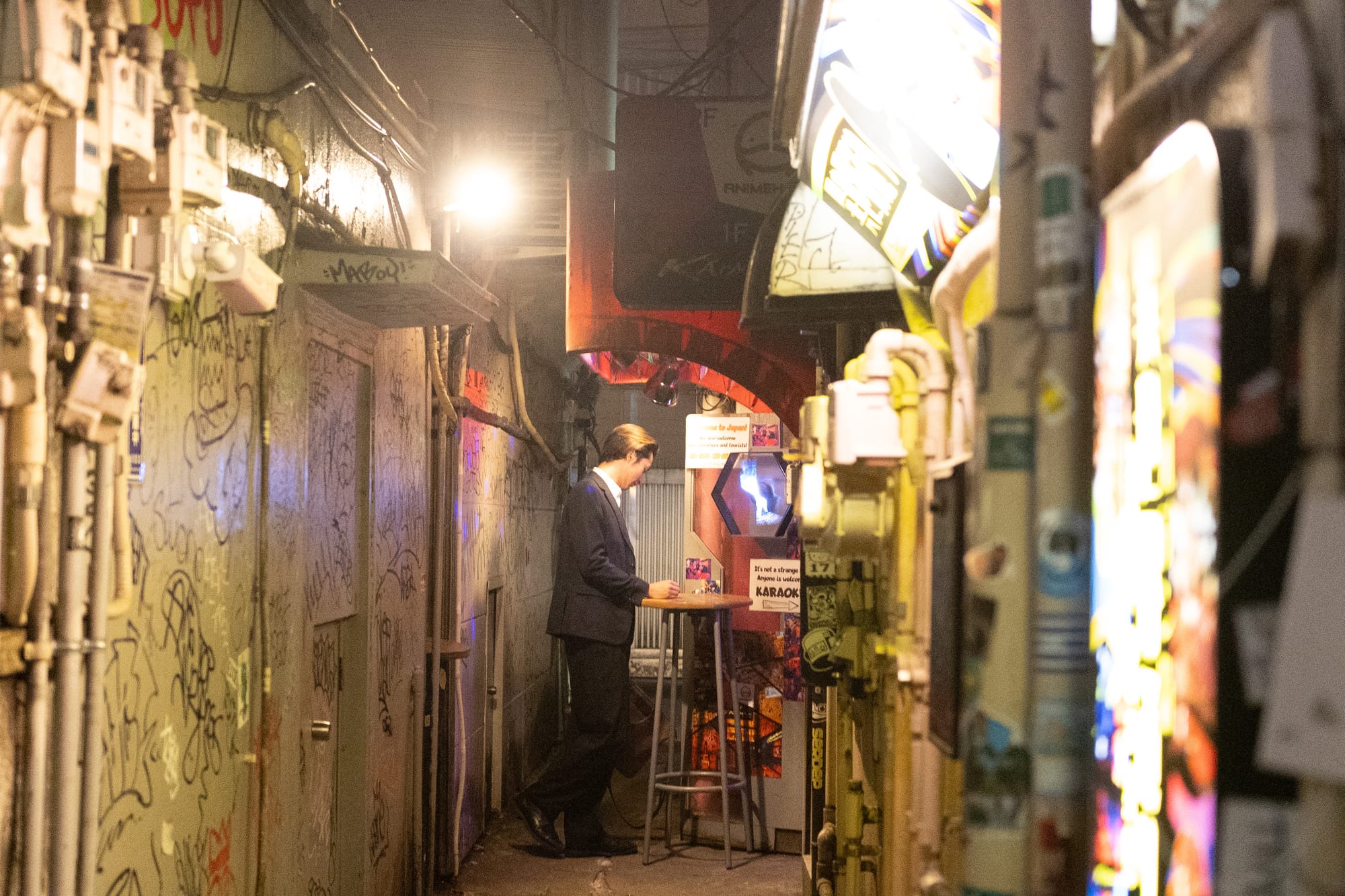
Golden Gai is one of those rare places in Tokyo where the past and present sit comfortably side by side. The bars are tiny, the drinks are simple, and the conversations with strangers can stay with you long after you leave. Whether you're a solo traveller looking for a memorable evening out or a couple searching for Shinjuku's most charming bars, this little pocket of alleyways delivers something no rooftop cocktail bar ever could — genuine human warmth, one stool at a time.
Whether you're a solo traveller looking for a memorable evening out or a couple searching for Shinjuku's most charming bars, this little pocket of alleyways delivers something no rooftop cocktail bar ever could — genuine human warmth, one stool at a time.

Ready to experience it?
Our local-led Shinjuku bar-hopping tours start right in the heart of the district.